Choosing the best monitor involves balancing display quality, refresh rate, size, and features against your workflow. From everyday office work to gaming and creative tasks, there’s a screen that fits. This guide highlights five Amazon products that deliver solid value across common use cases, with practical buying tips to help you decide.
Summary table of selected products:
- Philips 221V8LB: 22″, Full HD, 100 Hz, Adaptive Sync, smooth everyday viewing
- Sceptre E225W-FW144: 22″, FHD, up to 144 Hz, integrated speakers
- Amazon Basics 24″ Monitor: 24″, FHD, 100 Hz, built-in speakers
- ASUS VA27AQ: 27″, QHD, IPS, eye care features
- Lingo CGM & App Pack: CGM monitor with app integration (health-oriented) for a broader interpretation of “monitor”
Best Entry-Level 22-Inch Monitor For Everyday Use

The Philips 221V8LB offers crisp Full HD visuals on a compact 22-inch screen. With a 1920×1080 resolution, it delivers clear text and detail for productivity, media consumption, and light creative tasks. A 100 Hz refresh rate enhances motion smoothness for casual gaming and video playback, while Adaptive-Sync reduces tearing for smoother sequences. This monitor includes VESA mount compatibility for flexible desk setups and standard connectivity (HDMI and VGA) that covers modern and older devices. It’s a balanced pick for users who want reliable performance without sacrificing space.
Best 22-Inch Gaming-Ready Monitor On A Budget

The Sceptre E225W-FW144 balances gaming features with a compact design. It supports up to 144 Hz for smooth gameplay, making it a strong choice for gamers who want higher frame rates without a premium price. The monitor emphasizes user comfort with a blue-light reduction feature to ease eye strain during long sessions. Its slim bezel design helps maximize the usable screen area and make multi-monitor setups feel seamless. Built-in speakers provide a simple, all-in-one solution for basic daily use and multimedia.
Best All-Around 24-Inch Desktop Monitor

The Amazon Basics 24-Inch Monitor brings a straightforward, reliable Full HD (1080p) display with a practical feature set for office and home entertainment. It emphasizes essential connectivity, including VESA compatibility and built-in speakers, making it a hassle-free option for users who want a dependable everyday monitor without extra frills. The product is designed with user-friendly setup in mind, and the 24-inch class provides an ample workspace for documents, spreadsheets, and web browsing.
Best Value 27-Inch QHD IPS Monitor For Productivity
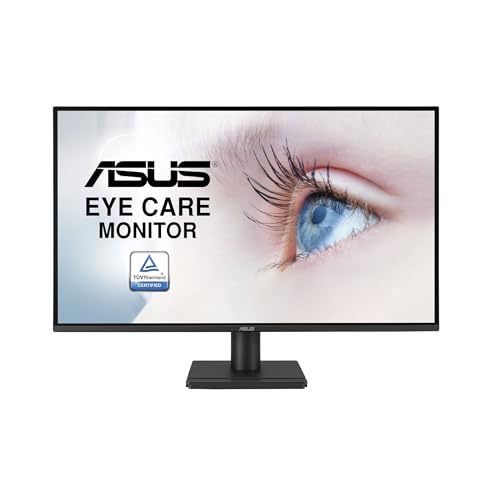
The ASUS VA27AQ delivers a higher-resolution QHD (2560×1440) display on a 27-inch panel. Its IPS technology provides wide viewing angles and accurate color, making it suitable for productivity tasks, content creation, and multi-document workflows. The monitor features a frameless design and multiple inputs (HDMI, DisplayPort, and VGA) for flexible connectivity. Eye-care features, such as reduced blue light and flicker-free technology, help reduce eye strain during long work sessions. It’s a solid option for users seeking more workspace and crisper text and images.
Best Monitoring Solution For Health Data Integration
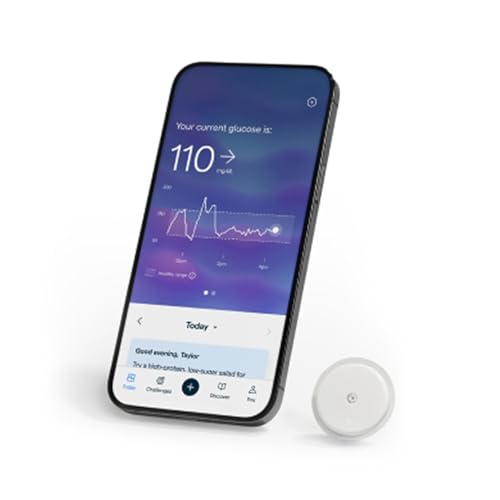
The Lingo CGM & App combines a wearable glucose monitor with a companion app to track glucose responses to foods and activities. While not a traditional computer monitor, its inclusion broadens the interpretation of “monitor” in a consumer tech context. It works with iOS and Android, with an emphasis on real-time data and long-term health insights. For buyers focused on wellness and data tracking, it complements standard displays by offering a different kind of monitoring capability. This product is a niche pick within the monitor ecosystem and demonstrates how “monitor” can span devices beyond computer screens.
Buying Guide: Key Purchase Considerations
When selecting a monitor, several factors shape value and suitability:
- Screen size and resolution: Larger sizes and higher resolutions improve workspace and detail. A 27-inch QHD (2560×1440) panel offers a strong balance for productivity, while 1080p is adequate for general use.
- Panel type and viewing angles: IPS panels deliver accurate colors and wide viewing angles, ideal for content work and shared viewing. VA panels offer high contrast, while TN panels emphasize fast response times for gaming.
- Refresh rate and response time: 60 Hz is standard; 75 Hz and 100–144 Hz benefit gaming and fluid scrolling. Adaptive-Sync reduces screen tearing in gaming scenarios.
- Color accuracy and calibration: For creative tasks, look for color gamuts (sRGB, Adobe RGB) and factory calibration options. IPS panels tend to provide more consistent color.
- Connectivity: HDMI remains universal; DisplayPort is common on higher-end models. USB-C with DisplayPort Alternate Mode can simplify connections to laptops and docking stations.
- Ergonomics and mounting: Adjustable stands and VESA compatibility enable comfortable setups. Consider swivel, tilt, and height adjustments for long work sessions.
- Eye-care features: Low Blue Light, Flicker-Free technology, and brightness sensors help reduce eye strain during prolonged use.
- Speakers and additional features: Built-in speakers add convenience but may lack bass or volume; external speakers or headphones are alternatives. Blue-light reduction, HDR, and gaming extras may influence choice.
- Warranty and reliability: A longer warranty provides peace of mind for heavy daily use. Verify return and replacement policies when comparing options.
- Use case balance: Casual use, office tasks, content creation, and gaming each demand different strengths. A single monitor can serve multiple roles if it offers flexible inputs and good color quality.
In summary, the best monitor depends on your priorities: compact desks with simple needs favor 22-inch or 24-inch Full HD models, while productivity and efficiency benefit from higher resolution and IPS panels. For gamers, higher refresh rates and adaptive sync deliver smoother motion. For health-tracking or niche needs, consider alternative monitoring devices to complement a traditional display.