When you need portable storage that moves files quickly and securely, the right USB drive makes all the difference. This guide highlights top options—chosen for speed, durability, and broad compatibility—so you can pick the best USB drive for your needs. Ideal buyers include students and professionals needing fast media transfers, travelers seeking compact backups, and everyday users who want reliable plug‑and‑play storage. Below, a quick summary table helps you compare key features at a glance.
| Product | Capacity | Key Benefit | Best For |
|---|---|---|---|
| SANDISK 128GB Ultra Flair USB 3.0 | 128 GB | Up to 150 MB/s read | General fast transfers, movie/backups |
| Lexar D40E 128GB Dual USB 3.2 Gen 1 | 128 GB | USB-C and USB-A, 360° swivel | Devices with USB-C and USB-A, versatile use |
| SANDISK 512GB Ultra USB 3.0 | 512 GB | Up to 130 MB/s read, secure protection | Large media libraries, secure storage |
| PNY 128GB Turbo Attaché 3 USB 3.0 | 128 GB | Up to 10x faster than USB 2.0 | Movie/video/file transfers, budget-friendly |
| SAMSUNG BAR Plus 128GB USB 3.1 | 128 GB | Up to 300 MB/s, rugged metal body | Travel, rugged durability, fast transfers |
SANDISK 128GB Ultra Flair USB 3.0 Flash Drive
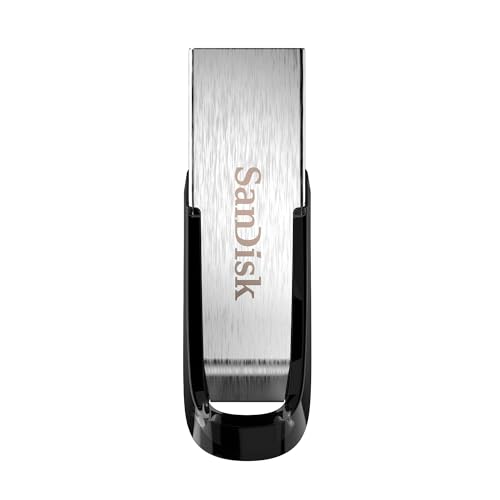
The SANDISK Ultra Flair 128GB is a high‑speed USB 3.0 flash drive designed for quick file transfers. It offers up to 150 MB/s read speeds, making it a strong choice for moving large files like full‑length videos or large photo libraries. This drive is best for users who need reliable, everyday portability and fast read performance for media and work files. A potential limitation is that real speeds depend on the host device and usage conditions, so plan for variable performance in busy systems.
Lexar D40E 128GB Dual USB 3.2 Gen 1

The Lexar JumpDrive Dual Drive D40E provides USB‑C and USB‑A connectors in a compact, swivel design. It supports speeds up to 100 MB/s, making it practical for quick transfers across devices such as laptops, tablets, and USB‑C smartphones. Best for users who need one drive for both USB‑C and USB‑A ports, with the swivel design reducing the risk of cap loss. A limitation is that performance can vary with host device and interface conditions, so it may not reach peak speeds on all systems.
SANDISK 512GB Ultra USB 3.0 Flash Drive
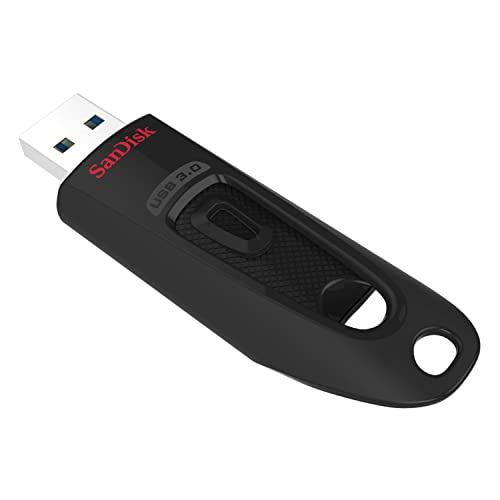
This 512GB option from Sandisk emphasizes large storage capacity with read speeds up to 130 MB/s. It’s a good pick for users needing substantial local backups or media libraries in a compact form. It remains backward compatible with USB 2.0, which helps with older devices. A potential caveat is that higher capacities can come with slightly higher unit costs, so assess your storage needs before purchase.
PNY 128GB Turbo Attaché 3 USB 3.0

The PNY Turbo Attaché 3 USB 3.0 flash drive focuses on durable, lightweight design with practical transfer performance. It’s suitable for transferring large files such as movies or presentations quickly, offering speeds up to 10x faster than USB 2.0. Choose this if you want a budget‑friendly option that still delivers solid USB 3.0 performance. A limitation is that advertised speeds may vary based on device compatibility and usage conditions.
SAMSUNG BAR Plus 128GB USB 3.1

The Samsung BAR Plus 128GB stands out for its fast 300 MB/s read speeds and rugged all‑metal body. It’s well suited for travelers or professionals who value durability and speed. The included keyring helps prevent misplacement, and the drive is designed to withstand a range of environmental factors. A possible drawback is premium pricing relative to basic USB 3.0 drives, but the speed and build quality justify the cost for portable, heavy use.
Maspen 64GB USB Flash Drive 2 Pack

The Maspen 64GB USB flash drives come in a 2‑pack with USB 2.0 interfaces. They are a cost‑effective option for simple file transfers and everyday use. Best for students or users who want inexpensive backups, with the caveat that USB 2.0 speeds are substantially slower than USB 3.x drives, which can impact large transfers.
PNY 256GB Attaché X USB 3.2 Gen 1

The PNY Attaché X 256GB flash drive emphasizes high capacity with read speeds up to 130 MB/s. It’s a general‑purpose option for everyday data storage and transfers, combining a sturdy build with a modern sliding collar design that protects contents when not in use. A limitation is that some users may not need this much capacity for typical daily tasks, making it a potential over‑spec for light users.
Buying Guide: Key Purchase Considerations
- Storage capacity: Choose based on your typical file sizes. 64–128 GB suits photos and documents; 256–512 GB fits large media libraries.
- Speed class: USB 3.x offers faster transfers than USB 2.0. USB-C vs USB-A connectors affect device compatibility; dual‑connector models add flexibility.
- Durability: Metal cases, rugged housings, and keyring features help protect data during travel or daily use.
- Security features: Some drives offer built‑in encryption or password protection. Consider if you handle sensitive data.
- Compatibility: Ensure the drive works with Windows, macOS, and your primary devices. Some drives require no software installations, enabling plug‑and‑play use.
- Price vs. need: Higher capacities and faster speeds come at a premium. Match features to real usage to avoid overspending.
FAQ
- What is the practical speed difference between USB 3.0 and USB 2.0 drives?
USB 3.0 can reach speeds up to 150–300 MB/s depending on the model, while USB 2.0 tops around 35 MB/s in real use, making USB 3.0 substantially faster for large transfers. - Are USB-C drives compatible with USB-A devices?
Many drives include USB-C, USB-A, or dual connectors to support both port types; check the product features for compatibility. - Is larger capacity always better for backups?
Yes for large media libraries; however, consider your actual storage needs and backup strategy to avoid paying for unused space. - Do rugged drives offer real protection against drops and moisture?
Many rugged drives claim water, shock, and magnet resistance, but verify the specific ratings and usage guidelines for your environment. - Should I encrypt data on a USB drive?
If you store sensitive information, choose drives with built‑in encryption or use trusted third‑party encryption tools. - What’s the best drive for travel?
Drives with rugged bodies, compact form factors, and high read speeds are ideal for on‑the‑go use; Samsung BAR Plus is a strong example.