Smart thermostats can help reduce energy use, simplify daily routines, and maintain comfort with minimal effort. This guide reviews five highly compatible options, highlighting energy savings, ease of installation, and smart features. Each product is evaluated for compatibility with popular voice assistants and home ecosystems, so you can choose a model that fits your setup and budget.
| Product | Brand | Key Benefit |
|---|---|---|
| ecobee Smart Thermostat Premium | ecobee | Premium sensors and air quality monitoring |
| ecobee Smart Thermostat Essential | ecobee | Energy Star certified with a color touchscreen |
| Amazon Smart Thermostat | Amazon | Easy upgrade with Alexa integration |
| Google Nest Thermostat (Charcoal) | Energy savings with flexible control | |
| Google Nest Thermostat (Snow) | Energy-aware scheduling and compatibility |
Below, five selected models are explored in detail, with installation notes and how each performs for typical American homes. Compare features, installation needs, and smart-home compatibility to help you pick the right thermostat for your environment.
Ecobee Smart Thermostat Premium

The Ecobee Smart Thermostat Premium combines climate control with advanced sensing and air quality monitoring. It includes the SmartSensor, which can help optimize comfort in key rooms by triggering temperature adjustments and occupancy-based changes. ENERGY STAR certified, it can contribute to energy savings of up to 26% per year on heating and cooling costs, depending on usage patterns. The device integrates with Siri, Alexa, and Google Assistant for voice control, and it supports a wide range of HVAC systems (compatibility checked via Ecobee’s online checker). A Power Extender Kit (PEK) and trim kit are included for easier installation, and it can connect to Ecobee’s doorbell ecosystem for added features. This model suits homes seeking premium sensors and robust ecosystem integration.
Ecobee Smart Thermostat Essential

The Ecobee Smart Thermostat Essential emphasizes core energy savings with a color touchscreen and app-based control. It is ENERGY STAR certified and supports voice assistants (Siri, Alexa, Google Assistant). The Essential model typically fits a broad array of HVAC systems (compatibility checked via Ecobee’s online checker). It’s designed to learn and adapt to your daily routine, helping to trim energy use when you are away and restore comfort when you return. Free software updates ensure ongoing improvements over time, extending the value beyond initial setup.
Amazon Smart Thermostat

The Amazon Smart Thermostat offers a straightforward upgrade path from traditional thermostats with Alexa integration. It supports creating comfort zones and can trigger automatic adjustments using presence detection via compatible Echo devices or Amazon Smart Air Quality Monitor. The device is positioned as a budget-friendly option with potential rebates from energy providers after purchase. It emphasizes ease of setup and seamless control within the Alexa ecosystem, making it a practical choice for users already invested in Amazon smart devices.
Google Nest Thermostat (Charcoal)
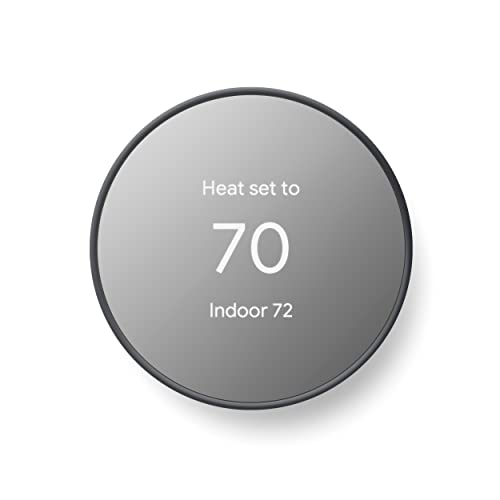
The Google Nest Thermostat (Charcoal) is ENERGY STAR certified and designed to save energy through intelligent scheduling and occupancy-aware behavior. It supports Wi-Fi connectivity and is designed to work without a C-wire in most homes, though some configurations may require one or a power accessory. Nest provides a compatibility checker to confirm suitability for your HVAC system. The thermostat focuses on ease of use via the Google Home app and is known for straightforward setup and reliable performance with Google Assistant compatibility.
Google Nest Thermostat (Snow)

The Google Nest Thermostat in Snow offers similar energy-saving features with a focus on a modern, light aesthetic. It supports programmable schedules via the Google Home app and is ENERGY STAR certified. Like the Charcoal model, it can operate without a C-wire in many homes, but some setups may require a C-wire or compatible power accessory. Nest emphasizes energy awareness and simple integration with Google Assistant, making it a versatile choice for Android-leaning households or those seeking native Google ecosystem synergy.
Buying Guide: How to Choose Your Smart Thermostat
- Energy savings potential: Look for ENERGY STAR certification and user-reported savings estimates based on climate and usage patterns. Some models offer sensor-based optimization and occupancy-aware features that boost savings when you’re away.
- Compatibility: Verify compatibility with your HVAC system (gas, electric, heat pump, single-stage or multi-stage) using each brand’s checker. Confirm C-wire requirements and available power accessories (PEK, adapters) for non-C-wire setups.
- Smart-home integration: Consider which voice assistants you use (Alexa, Google Assistant, Siri) and whether you want to control the thermostat via a specific app or ecosystem. Some thermostats offer broader ecosystem features, like doorbell integration or rebates from energy providers.
- Ease of installation: DIY-friendly models include clear guides and included mounting hardware. Some kits come with PEK and trim kits to simplify connections and reduce the need for professional installation.
- Display and usability: Touchscreen readability, color schemes, and app interfaces influence daily interaction. A responsive app for scheduling and monitoring energy usage can improve long-term engagement.
- Special features: Sensor packages (air quality, occupancy, and remote sensors), compatibility with home-security devices, and software updates can extend value beyond basic temperature control.
- Privacy and data handling: Review privacy policies and data-sharing practices, especially for brands emphasizing learning algorithms and energy usage analytics.
When choosing, balance your current smart-home setup with budget considerations, installation ease, and the level of automation you desire. Each of the featured models provides solid energy management, reliable connectivity, and broad compatibility with common home ecosystems in the United States.