Choosing the right mic preamp can dramatically improve clarity, gain control, and overall vocal or instrument presence in your recordings. This guide highlights five top options that balance clean gain, noise performance, and versatile features for home studios and small setups. Each entry includes key specs, what makes it stand out, and how it fits common recording needs.
| Product | Brand | Ideal For |
|---|---|---|
| Cloudlifter CL-1 Mic Activator | Cloud Microphones | Quiet sources, podcasts, broadcasts |
| Cloudlifter CL-2 Mic Activator | Cloud Microphones | Dual-channel, quiet sources, dual mics |
| Presonus BlueTube DP v2 | PreSonus | Tube warmth with clean solid-state path |
| Triton Audio FetHead | TritonAudio | Compact inline gain boost, color-neutral or colored path |
| dbx DBX286SV Channel Strip | dbx | All-in-one preamp, dynamics, and processing |
The five selections below represent a mix of clean, transparent gain boosters and feature-rich channel strips that suit a variety of mics and recording uses. Each product section includes a concise summary of features and practical guidance for typical recording scenarios.
Cloudlifter CL-1 Mic Activator

The CL-1 is designed to boost low-output microphones using phantom power, delivering up to +25dB of clean gain. It helps reduce noise while preserving the natural character of the microphone, making it a staple for home studios, podcasts, and radio-style broadcasts. Its single-channel design integrates easily with most preamps and interfaces, enabling higher gain without feeding phantom power to the mic itself. This is especially useful for dynamic mics like the SM7B or familiar low-output condensers.
Cloudlifter CL-2 Mic Activator

Like the CL-1 but in a dual-channel form, the CL-2 provides up to +25dB per channel without passing phantom power to mics. This setup is ideal for dual-mic configurations—streaming setups with two vocalists or instrument miking scenarios where clean, high-gain signals are crucial. It reduces feedback potential and improves mic clarity across channels, helping maintain consistent levels in dynamic vocal performances or podcast duos.
Presonus BlueTube DP V2

The BlueTube DP v2 combines a dual-path design with a 12AX7 vacuum tube and solid-state gain stages. It features XMAX mic preamps, phantom power, and tube saturation control to dial in warmth. This model is well-suited for vocal tracking and guitar/bass direct-instrument inputs, offering a classic tube flavor without overwhelming modern digital chains. It is a strong choice for users who want a touch of warmth in their recordings without sacrificing transparency at higher gains.
Triton FetHead Inline Mic Preamp
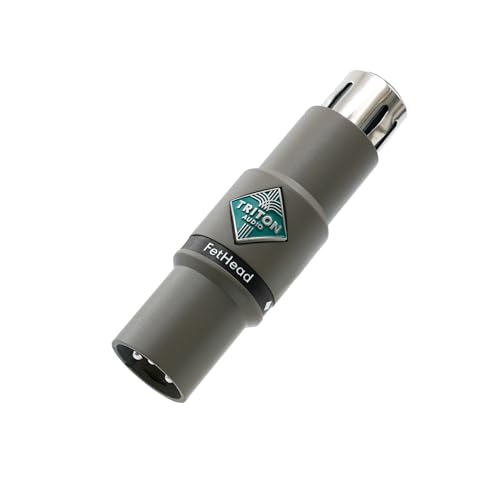
The FetHead is a compact, in-line preamp that adds clean gain through a Class-A design with low noise. Its single-channel structure makes it ideal for quiet mics or microphones that require additional boost without increasing the noise floor. It is a popular choice for travelers or small studios needing a portable, straightforward solution for on-the-go recording or in front of a desk setup. It preserves the microphone’s natural response while providing reliable gain.
dbx DBX286SV Channel Strip

The DBX286SV combines a microphone preamp, compressor, de-esser, enhancer, and expander/gate in a single 1U unit. It provides the necessary tools to sculpt dynamics, reduce sibilance, and shape tonal balance without needing additional devices. It’s particularly valuable for solo vocalists, podcasting, and broadcast-like workflows where multiple processing stages are beneficial in a compact rack-mountable format. The unit includes loop-out for chaining external processors and provides robust metering for level control.
ART ProMPAII Two Channel Discrete Class A Preamplifier

The ProMPAII offers two channels of discrete class-A microphone preamplification with adjustable input impedance and selectable plate voltage. This configuration allows for precise voicing and a unique, transparent character that can be tailored to different microphones and sources. It’s a good match for those wanting a high-fidelity, analog preamp path that emphasizes natural dynamics and musical detail, particularly for vocal and acoustic instrument work.
Buying Guide: Key Considerations for Selecting a Mic Preamp
- Gain range and noise floor: Assess whether you need clean, high gain for dynamic mics or a bit of warmth for vocal tracks. Look for EIN ratings or noise specs where available.
- Impedance matching: Some mics benefit from adjustable input impedance. Higher impedance often yields more present, “open” vocal textures, while lower can tighten bass and reduce mud.
- Channel count: Decide between single-channel inline boosters (like FetHead or CL-1) for focused setups or multi-channel units (like CL-2, BlueTube DP v2, or dbx 286SV) for multi-mic desks or broadcast workflows.
- Color vs. clean: Tube-based preamps and certain add-ons introduce coloration. If you aim for transparent sonics, prioritize clean, high-headroom designs; if you want warmth, explore tube or transformer-based paths.
- Processing features: Channel strips offer compression, de-essing, expander/gate, and more. These can simplify workflows but may introduce noise or artifacts if overused.
- Connectivity: Ensure compatibility with your interface (XLR mic inputs, phantom power, instrument inputs, and line outputs). Some units provide loop-outs or dual outputs for streaming and recording simultaneously.
- Size, power, and portability: Inline boosters are compact and USB-friendly for mobile setups, while rack-mount options fit traditional studios with space for gear racks.
When selecting a mic preamp, align the product’s strengths with your typical recording scenarios—whether you’re capturing quiet vocals, loud guitars, or broadcast-style podcasts. Considering both gain needs and tonal preferences will help identify the best option for your home studio workflow.