Choosing headphones that deliver an accurate and wide frequency response is essential for mixing, mastering, and enjoying music as intended. This article highlights five high-precision models well-regarded for their flat or expansive frequency ranges, open-back and closed-back designs, and comfort for long sessions. Each entry provides key specs, real-world usage notes, and a direct link to an Amazon listing for quick comparison. The buying guide at the end helps you weigh openness, impedance, comfort, and compatibility across gear.
| Product | Brand | Type | Notable Trait |
|---|---|---|---|
| Sennheiser HD 560 S | Sennheiser | Open-back | Neutral frequency response |
| Shure SRH440A | Shure | Closed-back | Accurate sound with robust build |
| Shure SRH840A | Shure | Closed-back | Tailored, detailed response |
| NUBWO HD01 (Black Red) | NUBWO | Open-back / Closed-back option | Wide frequency extension |
| OLLOAUDIO X1 | OLLOAUDIO | Open-back | Flat frequency response for mixing |
The following sections present five models chosen for their emphasis on authentic frequency response, suitability for studio work, and broad device compatibility. Each product is described with its core strengths, measured response tendencies, and practical considerations for different listening environments.
Sennheiser HD 560 S Over-Ear Audiophile Headphones
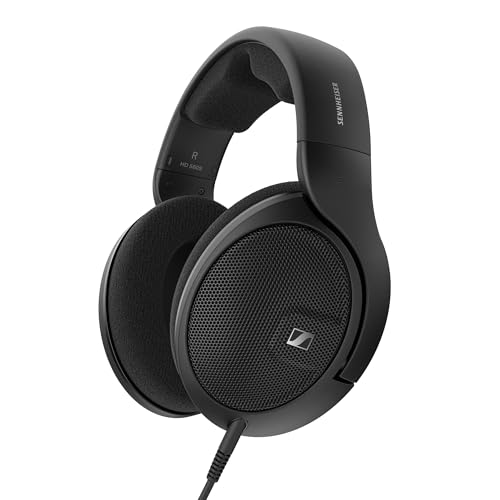
The Sennheiser HD 560 S is renowned for a natural, transparent sound with a wide soundstage. Its open-back design and E.A.R. technology help create a more spacious listening experience, making it a strong candidate for reference listening and critical analysis. The detachable cable supports easy replacements and upgrades. The headset aims to reveal subtle nuances across the frequency spectrum, from crisp highs through balanced mids to controlled bass.
Key considerations: open-back design contributes to an expansive sense of space but may leak sound in shared spaces. Its neutral tone is ideal for mixing and mastering where accuracy matters more than bass slam. Compatibility is broad with most audio interfaces and portable players, though impedance and power handling should be accounted for with high-end gear.
Shure SRH440A Professional Over-Ear Headphones

The SRH440A delivers a transparent, natural sound signature with an extended frequency range suitable for monitoring and recording. Its new-design, durable build improves long-session comfort, while maintaining studio-grade clarity that is essential for accurate reference listening. The headphone’s impedance and power handling are aligned with modern pro audio gear, ensuring reliable performance across interfaces and portable recorders alike.
Key considerations: closed-back design provides strong isolation, which is helpful in noisy environments but can affect perceived spatial cues compared with open-back models. The SRH440A’s balance makes it versatile for both tracking and critical listening, though some engineers may pair it with a dedicated headphone amp for extra headroom.
Shure SRH840A Professional Over-Ear Studio Headphones

The SRH840A continues the Shure tradition of precision monitoring with a refined frequency response that supports deep bass, clear mids, and extended highs. Engineered for minimal distortion, these headphones are well suited for critical listening, mixing, and mastering tasks that demand accuracy across the spectrum. The adjustable and collapsible design helps with travel and studio setup, ensuring consistent placement and comfort across sessions.
Key considerations: the 40mm drivers and solid clamping force may feel tight for some users initially. Pairing with a quality audio interface or headphone amplifier can further enhance dynamic range and headroom, especially when working with high-quality DACs or analog outboard gear.
NUBWO HD01 Professional Studio Monitor Headphones (Black Red)

These NUBWO headphones emphasize precise monitoring with a wide frequency response across the spectrum, suitable for mixing, mastering, and critical listening. The open-back or closed-back versatility depending on model choice offers a choice between spaciousness and isolation. The 40mm drivers are designed to capture detail from deep bass to high treble, helping engineers hear subtle artifacts that could influence the final mix.
Key considerations: closed-back variants provide isolation for tracking and noisy rooms, while open-back variants emphasize air and space, which is valuable for reference listening. Comfort is designed for longer sessions, with padded ear cups and an adjustable headband to reduce fatigue during extended work.
OLLOAUDIO X1 Producing And Mixing Studio Headphones

The OLLOAUDIO X1 is designed for producing and mixing with a studio-reference, open-back configuration. It emphasizes a flat frequency response to minimize coloration, which helps when translating mixes across systems. The 50mm drivers and relatively low impedance facilitate use with a broad range of devices, including consumer gear, without sacrificing fidelity. The paired Realphones plugin aids in achieving reference targets and spatial accuracy in mixing environments.
Key considerations: open-back design yields an expansive soundstage, which may not suit tracking in loud workflows. For portable use, consider impedance matching and whether a dedicated headphone amp is available to maximize potential headroom and dynamic range on high-end audio interfaces.
NUBWO HD01 Black Gold Studio Monitor Headphones
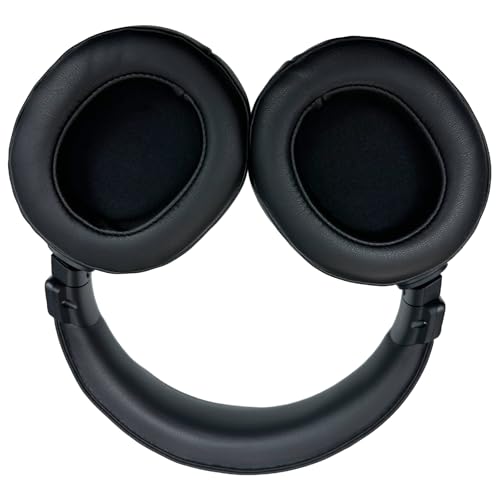
This variant delivers precision sound for professionals, with an emphasis on an extended frequency response that captures nuance across bass, mids, and treble. The closed-back design offers effective isolation, beneficial for tracking and working in shared spaces. Comfort features include plush ear pads and an adjustable headband suitable for long sessions, making it a practical option for engineers who need reliable accuracy without fatigue.
Key considerations: closed-back design may slightly alter perceived space compared to open-back models. Pairing with high-quality audio interfaces or DAC/amps can help maintain clean, distortion-free output during demanding sessions.
Buying Guide: Key Purchase Considerations And Comparisons
When selecting headphones for the best frequency response, consider these factors to match your workflow and gear:
- Open-back vs. closed-back: Open-back headphones tend to offer a wider soundstage and more natural decay, ideal for mixing and reference listening. Closed-back headphones provide isolation, useful for tracking and noisy environments, though they may color the sound slightly.
- Frequency response and accuracy: Look for headphones described as flat or neutral with minimal coloration. Extended low end and clean high end help reveal details across tracks without exaggeration.
- Impedance and amplifier needs: Higher impedance headphones may require a capable headphone amp or audio interface to realize their full dynamic range. Lower impedance models can often be driven directly by consumer devices but may not reach peak performance without amplification.
- Clamping force and comfort: Long sessions demand comfortable cushioning, adjustable headbands, and a secure, comfortable fit. Comfort affects the ability to hear accurate details over time.
- Durability and cables: Removable or replaceable cables extend lifespan and reduce downtime. Detachable cords are helpful for transport and upgrades.
- Device compatibility: Ensure compatibility with your studio interface, DAW hardware, and any portable devices used in the workflow. Some models pair particularly well with specific DACs or interfaces.
- Soundstage and imaging: For critical listening and mixing, a headphone with a wide, natural soundstage helps place elements accurately in the stereo field and reveal spatial cues in the mix.
- Budget and value: Compare price-to-performance by prioritizing flat response, build quality, and comfort over features that may be less relevant to your core tasks.
In practice, the best choice depends on your environment and workflow. Open-back models excel in controlled studio spaces when you need spaciousness and clarity, while closed-back options are advantageous for tracking, vocal work, or environments where external noise must be minimized. A balanced setup might involve one open-back pair for reference listening and one closed-back pair for tracking sessions.
All five highlighted models in this article offer credible frequency response profiles suitable for professional audio work and critical listening tasks. By prioritizing accuracy, comfort, and compatibility with your existing gear, you can optimize your monitoring setup for consistent, reliable results across a wide range of music and media.