Looking for a fitness tracker that delivers solid health data, long battery life, and useful features without breaking the bank? This guide highlights five value-focused options that balance core metrics like heart rate, sleep tracking, and activity monitoring with practical usability. Each pick is explained for who benefits most, plus what to watch out for. Use this to compare models quickly and choose a tracker that fits your daily routine and budget.
Buying Guide At A Glance
- What to track: Prioritize heart rate, sleep stages, blood oxygen, and activity tracking for overall health insight.
- Display and interface: A responsive AMOLED or color touch screen improves readability during workouts.
- Battery life: If you want multi-day use, confirm expected days between charges under typical use.
- Sport modes: More modes help tailor data to different activities; at least 25 modes is a robust minimum.
- Water resistance: Look for 3ATM–5ATM if you swim or shower with the device.
- App experience: A well‑developed companion app helps you interpret sleep, stress, and daily activity trends.
Summary table of selected products:
| Product | Best For | Key Benefit | Limitation |
|---|---|---|---|
| Moremore Fitness Tracker | Active users seeking 24/7 monitoring | 24/7 heart rate, blood pressure, sleep analysis | Updated data can be phone‑dependent for full insights |
| Fitbit Inspire 3 | Wellness tracking with stress & sleep features | Stress management, 24/7 HR, 20+ modes | Display is functional but smaller than top rivals |
| Bestinn Smart Watch | All‑rounder with large display | 120+ exercise modes, 24/7 health monitoring | Display size may impact battery life slightly |
| Zeacool Fitness Tracker | Thorough health metrics with AMOLED screen | 1.10″ AMOLED, 25 sport modes | AMOLED screen can drain battery faster with color modes |
| Motivaris Fitness Tracker | Users who want lots of sport modes and data | 1.47″ HD display, 100+ sport modes | Advanced metrics may require consistent app syncing |
Moremore Fitness Tracker With 24/7 Monitoring

The Moremore fitness tracker combines continuous heart rate, blood pressure, and blood oxygen measurement with sleep analysis. This model uses a AMOLED display for clear readability during workouts. It also offers sleep scores in the app to help users adjust routines for better rest. Best for active adults who want constant health context and simple app-based insights. The 25 sports modes support a wide range of activities—from walking and running to yoga and more. A potential limitation: some health data is most meaningful when paired with consistent daily logs in the companion app.
Fitbit Inspire 3 Health & Wellness Tracker
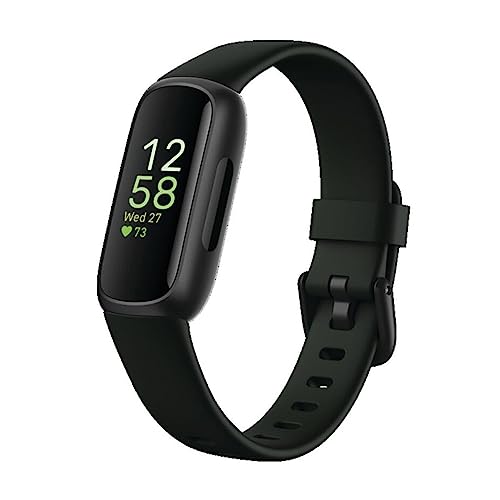
Inspire 3 emphasizes wellness with stress management features, a daily readiness score, and long‑term heart rate tracking. It supports 20+ exercise modes and automatic activity reminders, making it suitable for users focused on daily movement and stress awareness. Best for people who want ongoing wellness insights and gentle nudges to stay active. A potential trade‑off is the smaller screen, which can reduce on‑watch readability during workouts or quick glances while moving.
Smart Watch Fitness Tracker With 120+ Modes

This Bestinn model blends a vivid 1.58″ display with robust 24/7 health monitoring and more than 120 exercise modes. It’s ideal for anyone who wants a highly capable activity tracker that doubles as a daily smartwatch. It provides continuous heart rate, blood pressure, and blood oxygen readings and keeps you informed with real‑time metrics via the companion app. A caution: with so many features, some users may need time to adjust to the interface and app navigation for optimal data use.
Zeacool Fitness Tracker With AMOLED Display

Zeacool emphasizes a crisp 1.10 inch AMOLED display and 25 sport modes, enabling precise data capture during varied activities. Real‑time heart rate, blood pressure, and sleep tracking are part of its core offering. Best for users who value readable screen quality while exercising and a broad sport mode library. A potential limitation is that the compact display, while sharp, may reduce visibility in bright outdoor conditions without automatic brightness adjustments.
Google Fitbit Air – Screenless, Personal Coaching

Google Fitbit Air combines a screenless design with personalized AI coaching and health tracking. It supports 24/7 monitoring and aims to deliver adaptive guidance via Google Health Premium features. Best for tech‑savvy users who prefer a distraction‑free device or who want coaching that adapts to lifestyle patterns. Limitation: absence of a traditional display means you’ll primarily interact with the companion app for insights and prompts.
Bakoor Fitness Tracker With AMOLED Display

Bakoor emphasizes an AMOLED 1.10” display with clear call and message reminders, plus 24/7 heart rate and sleep tracking. It supports all‑day activity logging, making it a practical all‑rounder for daily wear. Best for users who want a good balance of readability and continuous health monitoring. Caution: data interpretation relies on the app, so ensure you’re comfortable syncing regularly to glean insights.
ST‑CARE Fitness Tracker With 1.10” AMOLED Screen

ST‑CARE offers a 1.10″ AMOLED touchscreen, 25 sport modes, and all‑day activity tracking, including steps and calories. It supports multiple health metrics and focuses on user motivation through accessible visuals and straightforward data. Best for consumers who want a reasonable feature set with an easy‑to‑navigate display. Limitation: the app experience can vary by device and may require periodic updates for full data compatibility.
Motivaris Fitness Tracker With 1.47” Display
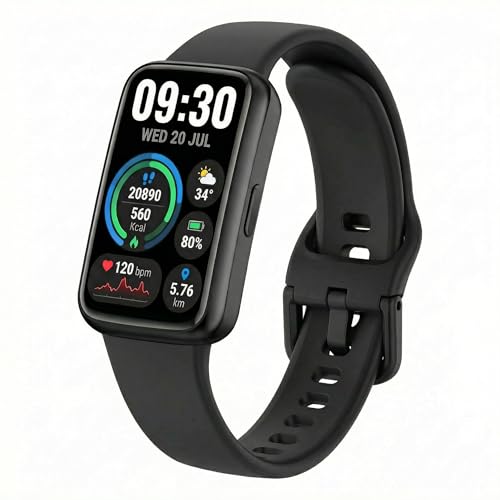
Motivaris focuses on a large 1.47” HD display, 100+ sport modes, and continuous heart rate and SpO2 tracking. It’s designed for users who want a feature-rich wearable with a bold screen and extensive activity data. Best for athletes or enthusiasts who track a wide range of activities and need a large viewing area. Limitation: advanced analytics may depend heavily on syncing with the veryfit app for meaningful interpretation.
Buying Guide: How To Choose The Best Value Fitness Tracker
- Health metrics you need: If you require blood pressure and SpO2 alongside heart rate, ensure the device lists all three with reliable micro‑sensors.
- Display type and size: AMOLED screens improve readability during workouts, but larger displays may affect battery life.
- Sports and activity tracking: A robust catalog of modes (25+) helps tailor metrics to different activities and goals.
- Sleep analysis: Look for automatic sleep stage tracking and a readable sleep score to guide lifestyle changes.
- Battery life vs. features: Multi‑day life is possible with fewer display features; heavy color screens can reduce endurance.
- Water resistance: If you swim or sweat heavily, choose at least 3ATM or higher for better durability.
- App ecosystem and data insight: A strong companion app with clear charts and trends makes data actionable.
- Fit and comfort: Choose a comfortable band and a secure clasp for everyday wear, especially during workouts.
FAQ
What should I consider first when buying a value fitness tracker?
Prioritize essential health metrics (heart rate, sleep tracking, and activity monitoring) and battery life. A larger, readable display helps during workouts, while a robust app improves data interpretation.
Are 25 sport modes necessary for daily use?
Not strictly necessary, but 25+ modes provide flexibility for tracking a wide range of activities accurately and tailoring metrics to each sport.
Is a screenless tracker viable for everyday wear?
Yes, if you prefer minimal distraction; you’ll rely on the companion app for insights and coaching. It can be ideal for gym environments or sleep tracking without notifications on the wrist.
How important is blood pressure monitoring on a tracker?
For general wellness awareness, it adds value, but it should not replace medical devices or professional judgment for diagnosing conditions.
Can these devices replace a smartwatch?
They often provide core fitness data and notifications, but some models may lack advanced apps or third‑party integrations found on premium smartwatches.
Do trackers require a smartphone to use effectively?
Most rely on a companion app for full insights, trend charts, and long‑term storage of health data. A smartphone enhances the experience but isn’t always strictly required for basic monitoring.