For podcasters, streamers, and content creators, a reliable XLR streaming microphone can elevate audio fidelity and reduce background noise. This guide highlights five versatile options that pair well with PCs, consoles, and home studios. Each entry includes core features, connectivity, and suitability for different setups. Whether you prefer USB convenience or professional XLR performance, these mics cover a range of budgets and needs.
Product Snapshot
| Product | Connectivity | Best For | Notable Feature |
|---|---|---|---|
| FIFINE AM8 | USB/XLR | Beginners & multi-use | Mute button with RGB options |
| FIFINE AM8T | USB/XLR | Streaming with boom arm | Boom arm included, RGB control |
| Shure SM7B | XLR | Pro studios & broadcasts | Wide vocal range, isolation |
| P PUPGSIS XLR/USB | USB/XLR | Versatile podcasting | Mute button, noise reduction |
| MAONO PD200W | Wireless/USB/XLR | Flexible wireless setups | Three connectivity modes |
Use this guide to compare how each microphone handles voice clarity, isolation from ambient noise, and ease of use in live streams or pre-recorded content. The sections below delve into the top five picks, followed by a practical buying guide with key considerations for maximizing your audio quality.
FIFINE AM8: USB/XLR Dynamic Microphone

The FIFINE AM8 is a dual-connectivity dynamic microphone designed for podcasting, PC gaming, and streaming. It delivers a balanced audio range with a frequency response of 50 Hz to 16 kHz, suited for voices while rejecting off-axis noise. The cardioid pickup pattern reduces ambient room noise, helping your voice stay clear in busy environments. For USB users, a handy mute button and RGB indicators provide quick privacy controls during live streams. When using XLR, the mic term remains compatible with standard audio interfaces or mixers for expanded flexibility. Ideal for beginners who want a straightforward USB option that can grow to a full XLR setup later.
Key features include a stable design with a desktop stand, a headphone jack for direct monitoring, and a simple top-addressing placement that helps users position the mic for optimal capture. The AM8’s versatility makes it suitable for gamers, podcasters, and content creators who want a single mic that can adapt as their production needs evolve.
FIFINE AM8T: XLR/USB Gaming Mic Set

The AM8T adds a boom arm stand to the AM8 package, delivering a complete streaming microphone kit for PC gaming and podcasting. It supports USB plug-and-play for quick setups and XLR connectivity for more advanced routing through mixers or audio interfaces. The RGB lighting offers a visual accent to gaming desks, with simple controls to toggle lighting modes. A -50 dB sensitivity and cardioid pattern help minimize background noise, while the included mute button, gain control, and headphone jack enable real-time monitoring. The kit is well-suited for streamers who want a flexible, easy-to-use system that can evolve into a professional studio setup.
In practice, the AM8T’s strength lies in its turnkey nature: you can start with USB for everyday streaming and later transition to XLR to unlock higher audio fidelity and routing options. The integrated boom arm also reduces desk clutter and improves mic positioning for consistent vocal capture.
Shure SM7B: Premium Vocal Dynamic Mic
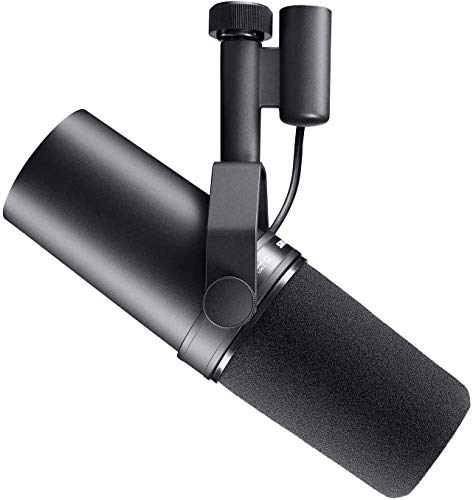
The Shure SM7B is a legendary dynamic microphone favored by professional studios, broadcasters, and top streamers. Its wide frequency response and dynamic cartridge deliver a smooth, natural sound that handles vocal and spoken word with minimal sibilance. The SM7B’s design includes air suspension shock isolation and a built-in pop filter to reduce mechanical noise and plosives, ensuring broadcast-ready audio. While it uses XLR, its robust build and warm tone make it a go-to choice for those seeking a microphone capable of delivering studio-grade results in home studios or on professional broadcasts. The mic is noted for its ability to sit comfortably in a wide range of genres, from podcasts to live streams and voiceover work.
Compatibility with high-quality preamps or audio interfaces is common, and many users pair it with cloud-based recording workflows or in-depth mixing to shape the final sound. The SM7B is a long-term investment for creators prioritizing consistent, broadcast-quality vocal tone.
P PUPGSIS XLR/USB Podcast Microphone

The P PUPGSIS microphone combines USB and XLR connectivity with a built-in mute button and noise reduction features. The microphone’s frequency response spans 40 Hz to 16 kHz, delivering a balanced voice with a focus on center clarity through its supercardioid pattern that helps suppress background noise. When used in USB mode, the mute button directly controls the mic without software, supporting live streaming privacy. The dual connectivity enables straightforward use for solo podcasts or collaborative interviews, with the USB path offering portable use and the XLR path enabling professional-grade routing through mixers or interfaces. The kit is well-suited for creators who want a flexible, value-priced option with practical on-mic controls.
For those aiming to keep ambient noise low during gameplay or interviews, the USB mute and noise reduction features help keep the vocal signal clean without requiring extensive post-processing. The mic’s clean design and included controls make it a convenient addition to many streaming setups.
MAONO PD200W: 3-Mode Wireless Podcaster

The MAONO PD200W offers a hybrid wireless approach with USB, XLR, and wireless receiver options. This flexibility is designed for podcasters and streamers who want freedom of movement without sacrificing audio fidelity. The microphone features a premium 30mm dynamic capsule and cardioid pickup for clear vocal reproduction, achieving a high signal-to-noise ratio for clean recordings. The system supports dual-mic setups with synchronized capture, facilitating duo podcasts or on-camera dialogues. Built-in software control and noise reduction options help tailor the sound, while the wireless option adds a layer of convenience for mobile recording or remote interviews. This mic kit aims to bridge home studios and mobile content creation with adaptable connectivity.
Note that the PD200W emphasizes ease of use and setup across different environments, making it a versatile choice for creators who frequently switch between recording in a fixed studio and recording on the go.
Buying Guide: Key Purchase Considerations
When choosing an XLR streaming microphone, consider these factors to match your workflow and environment:
- Connectivity: USB offers plug-and-play simplicity; XLR provides studio-grade routing through interfaces or mixers. Some mics, like AM8 and AM8T, support both.
- Pickup Pattern: Cardioid patterns minimize room noise and feedback. Cardioid mics are typically best for single-voice streams; multi-person setups may benefit from multi-pattern mics or multiple mics.
- Mechanical Noise Handling: Look for built-in pop filters or shock mounting to reduce plosives and mechanical vibrations, especially for broadcast-style voices.
- Headphone Monitoring: A headphone jack enables real-time monitoring, helpful for eliminating latency and ensuring correct levels during live streams.
- Mute and Gain Controls: On-mic controls reduce on-stream noise and simplify adjustments while recording or streaming.
- Software Integration: Some USB mics offer software controls for gain, noise reduction, and EQ presets. XLR setups rely on external interfaces for processing.
- Environmental Considerations: In noisy rooms, choose mics with good noise rejection and consider acoustic treatment to maximize your capture quality.
- Budget and Growth Path: If you anticipate growing into a professional setup, prioritize models with robust build quality, reliable preamps, and easy XLR upgrade paths.
- Accessories: Boom arms, stands, and pop filters can improve positioning and sound isolation; verify what’s included in the kit before purchasing.
For decision-making, assess your recording environment, preferred workflow, and whether you plan to evolve from USB to XLR over time. If you value a turnkey streaming setup, kits with included boom arms and monitoring features offer a strong starting point. For broadcast-grade audio or studio applications, premium devices with isolation and wide frequency response may justify a higher investment.