The market for computer drawing tablets blends creative control with practical needs such as note‑taking, education, and remote work. This article highlights five widely compatible options that excel for writing, drawing, and annotating on computers. Each product section includes quick highlights, compatibility notes, and practical considerations to help you compare features at a glance.
| Product | Brand | Key Benefit |
|---|---|---|
| Drawing Tablet XPPen StarG640 | XP‑Pen | Battery‑free stylus; ultra‑compact |
| HUION Inspiroy H640P | HUION | 8192 levels; customizable keys |
| Wacom Intuos Small | Wacom | Industry‑leading EMR tech; broad software support |
| HUION Inspiroy H1060P | HUION | Large work area; extensive hot keys |
| UGEE M708 | UGEE | Large active area; affordable option |
XP-Pen StarG640: Compact, Battery‑Free Pen Drawing Tablet
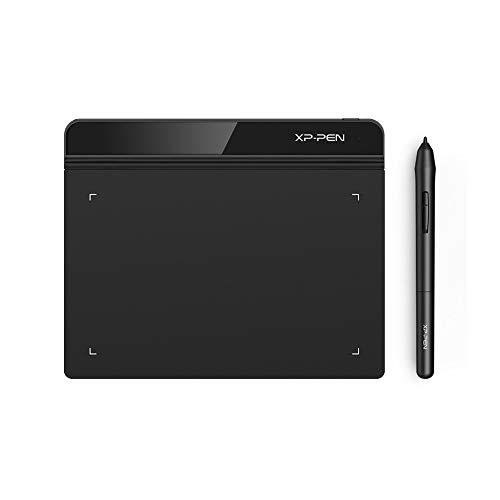
The XP-Pen StarG640 is a compact 6×4 inch drawing tablet designed for Mac, Windows, and Chromebooks. It features a battery‑free PN01 stylus that requires no charging, enabling uninterrupted drawing and note‑taking. The tablet supports digital drawing, painting, e‑signatures, and online teaching, with compatibility across Microsoft Office apps and common video conferencing tools. Its slim profile—just 2 mm thick—makes it easy to carry for on‑the‑go use, from classrooms to remote work setups. Ideal for students and professionals who value portability and dependable performance.
HUION Inspiroy H640P: Portable Drawing Tablet With Battery‑Free Stylus

The H640P from HUION emphasizes workflow customization with six accessible shortcut keys. The PW100 stylus offers 8192 pressure levels and a natural pen feel, supporting precise control for drawing, writing, and design tasks. Its compact construction weighs about 1.41 pounds and remains slim for easy portability between home, work, and classrooms. This tablet is well suited to students, educators, and professionals who want a palm‑sized device that stays responsive with minimal setup.
Wacom Intuos Small Bluetooth: Wireless, Versatile Paper‑Like Tablet

The Wacom Intuos Small Bluetooth stands out for wireless connectivity and broad software compatibility. Its EMR battery‑free technology provides a pen‑on‑paper feel that many artists and note‑takers prefer. The device works with virtually any software program, enabling painting, photo editing, design, and document markup. Bluetooth or USB options give flexible setup in desks, couches, classrooms, or outdoor spaces, making it a solid choice for those who value connection options and reliable performance.
HUION Inspiroy H1060P: Large Active Area For Detailed Work
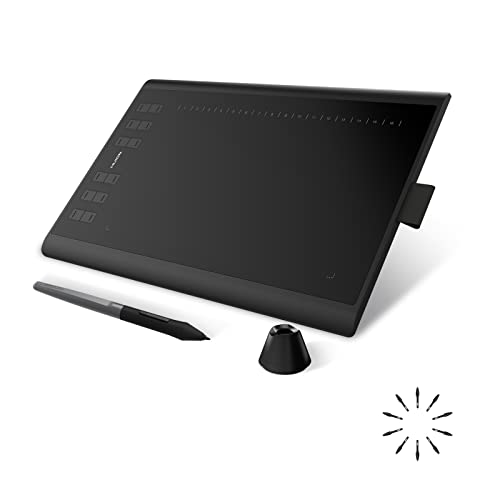
The H1060P expands the canvas with a 10 x 6.25 inch working area, ideal for detailed illustration and design work. It includes a battery‑free PW100 stylus with ±60° tilt support, enabling more natural line variation and control. With 12 programmable keys plus 16 soft keys, users can tailor shortcuts across preferred apps, boosting efficiency. The slim profile and moderate weight balance portability with a comfortable, expansive drawing area for longer sessions.
UGEE M708: Large, Affordable Graphic Tablet For Creation
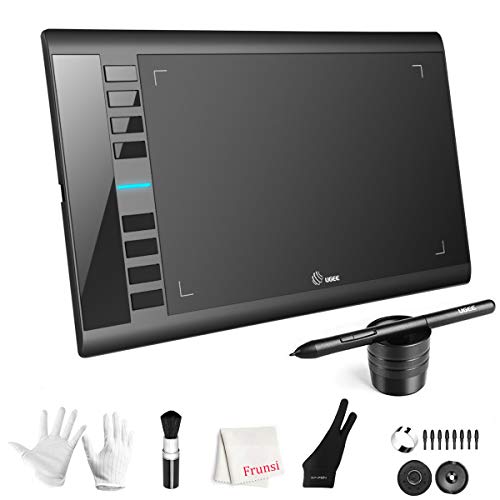
The UGEE M708 delivers a large 10 x 6 inch active area with 8192 levels of pressure in a cost‑effective package. It includes a passive stylus that works smoothly across many software programs, making it suitable for painting, sketching, and design work. The tablet’s broad compatibility with Windows, Mac, Android, and Linux extends its usefulness from classrooms to home studios, appealing to a broad range of creators seeking value without compromising performance.
Buying Guide: Key Purchase Considerations
When choosing a writing tablet for computer use, consider these factors to match your needs:
- Active drawing area: Larger spaces support more complex work but may reduce portability. Assess your typical project size and workspace constraints.
- Pen technology: Battery‑free styluses reduce downtime and charging needs. Look for responsiveness and pressure sensitivity accuracy (8192 levels is common and effective).
- Shortcut customization: Hot keys and driver‑level shortcuts speed up workflows in your favored software such as Word, PowerPoint, Photoshop, or Clip Studio.
- Compatibility: Ensure support for your operating system (Windows, macOS, Android, Linux) and software suite. Some tablets work better with certain apps or hardware ecosystems.
- Connectivity: Bluetooth wireless options offer desk flexibility, while USB connections can be more stable in certain setups and environments without Bluetooth interference.
- Portability vs. performance: Ultra‑thin designs boost portability but verify the drawing area and feel remain comfortable for longer sessions.
- Budget vs. features: Higher price often aligns with larger active areas, more keys, and more precise styluses. Balance your needs with cost.
Buyer perspectives vary: students may prioritize compact size and battery‑free pens for note‑taking; professionals might seek larger workspaces and robust shortcut customization; educators often look for cross‑device compatibility and easy sharing in online classes. Each of the five products above targets different combinations of these priorities, helping you pick a tablet that aligns with your daily writing and drawing tasks.