If you’re shopping for wireless headphones that stay secure and sound great during workouts, you’ve found the right resource. This guide highlights five top options, each chosen for gym, running, or training sessions. It explains who each product is best for, and why it stands out. Whether you want marathon battery life, open-ear comfort, or rugged waterproofing, there’s a fit here for different training styles and budgets.
Summary table of selected products:
| Product | Key Strength | Best For | Notable Limitation |
|---|---|---|---|
| DOQAUS Bluetooth Headphones Over Ear | 90-hour battery, 9 EQ modes via app | Over-ear design may feel bulky for cardio-focused workouts | |
| Uliptz Wireless Headphones | Up to 65 hours, Bluetooth 6.0, two-device pairing | May feel heavy for some users during long runs | |
| Ortizan Open Ear Headphones | Open-ear design with air conduction | Open-ear may deliver less bass than closed designs | |
| KTGEE Wireless Earbuds | IPX7 waterproof, 80-hour-ish playtime claim (earbuds) | Earbuds may require secure fit adjustments for intense moves | |
| JOYWISE Bluetooth Headphones | Up to 16 hours, secure earhook design | Battery life shorter than some rivals |
Note: All products listed have features oriented toward training contexts such as moisture resistance, secure fit, and hands-free calling. Select sections below provide deeper detail to help you decide which is best for your training style.
DOQAUS Bluetooth Headphones Over Ear
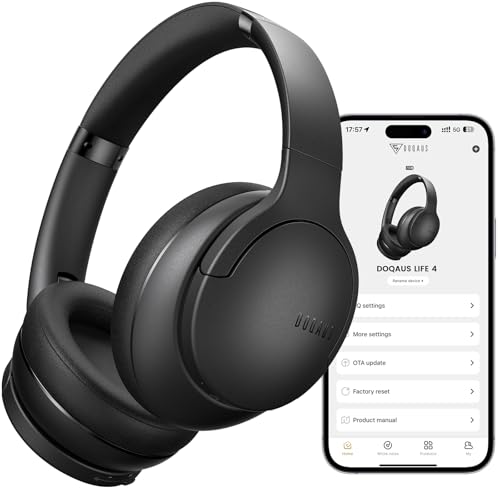
Best for: Gym sessions and long listening periods where battery life and sound customization matter. The DOQAUS model offers a remarkable up to 90 hours of playtime, which means fewer recharges between workouts and travel days. The 5-minute quick-charge provides a few extra hours, keeping you moving when you’re pressed for time. The 9 EQ modes, including 6 customizable profiles via an app, let you tailor bass, mids, and highs to different training contexts—high-energy workouts, podcast sessions, or movie breaks between sets.
Why it was selected: The standout combination of marathon battery life and accessible sound tuning makes this pair versatile for trainers who vary activities across the week. Bluetooth 5.4 promises stable connections, and the included microphone helps maintain call quality in busy gyms or airports. The memory foam ear cushions add comfort during longer training blocks.
Caution: For cardio-heavy workouts, the over-ear form factor may feel bulkier than in-ear designs, and some users may prefer a lighter setup for intense runs.
Uliptz Wireless Headphones
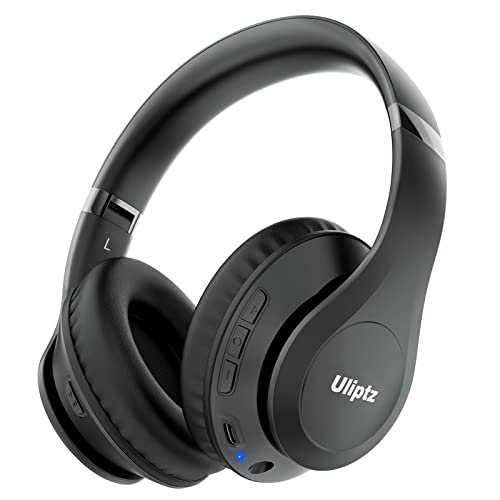
Best for: Everyday training and travel where you want strong battery life and reliable Bluetooth performance. Uliptz offers up to 65 hours of playback on a single charge, making them suitable for multi-day workouts or long travel sessions without frequent recharging. The 6 EQ modes enable tuning across genres, from high-energy workout tracks to podcasts or ambient music during cooldowns. The ability to connect to two devices at once can help when you switch between a phone call and music on a laptop during workdays that bleed into gym time.
Why it was selected: The combination of long life, broad device compatibility, and a foldable, lightweight form factor makes these headphones a practical choice for users who value endurance and flexibility in a busy routine.
Caution: A longer battery life can come with a larger footprint, so some runners preferring a lighter feel may opt for a more compact pair during short, intense workouts.
Ortizan Open Ear Headphones

Best for: Runners and cyclists who prioritize situational awareness and comfort. The Ortizan open-ear design sits outside the ear canal, reducing pressure and letting you hear ambient sounds—a plus for outdoor training in traffic or crowded venues. The air conduction technology aims to provide directional sound without inner-ear occlusion, which can be easier to wear for long sessions and reduces fatigue for some users. IPX6 waterproofing adds resilience against sweat and light rain.
Why it was selected: Open-ear headphones can be a safer option for outdoor workouts where staying aware of surroundings matters. The lightweight build and focused sound delivery help keep you energized during long runs or bike rides.
Limitation: Open-ear devices may not deliver the same deep bass or immersive low-end as closed-back headphones, which some athletes notice during intense workouts or film-watching sessions.
KTGEE Wireless Earbuds

Best for: Athletes who want dependable waterproofing and a compact form factor for intense workouts. The KTgee model emphasizes IPX7 waterproofing and a secure fit with earhooks, making them a strong option for workouts in sweat-heavy scenarios or light rain. The 80-hour-style battery life claim is attractive for extended training camps, travel weeks, or long study sessions interspersed with workouts.
Why it was selected: Waterproofing and secure fit address the core needs of high-intensity activity. The ergonomic earhook design helps keep earbuds in place during bouncy runs and cardio circuits.
Caution: Earbuds may require a secure fit trial for optimal stability, especially during high-impact movements on treadmills or elliptical machines.
JOYWISE Bluetooth Headphones

Best for: Budget-conscious athletes who want a secure fit and long wear without sacrificing call quality. JOYWISE offers up to 16 hours of playback with an ergonomic earhook design that keeps headphones in place during runs, gym circuits, or cycling sessions. The focus on comfort and durability makes them a reliable everyday training companion, especially for those starting a new workout regimen or needing a value-friendly option.
Why it was selected: A strong balance of comfort, durability, and sound quality in a budget-friendly package makes these a practical choice for casual trainees who train several times per week.
Limitation: Battery life is shorter than some high-end models, which may require more frequent charging on longer training blocks or multi-day workouts without access to power.
Buying Guide
Choosing the right wireless headphones for training involves balancing several key factors. Consider the following practical questions and comparisons to refine your pick.
Battery life and charging convenience
How long do you train in a single session? If your workouts last 90 minutes or longer, prioritize models with extended playtime and fast-charging options. Marathon battery life can reduce the need to carry extra chargers or power banks.
Fit, comfort, and stability
Do you prefer over-ear or in-ear designs? Open-ear vs closed-back can affect comfort during extended sessions and may influence your situational awareness. Earhooks, foam cushions, and lightweight materials improve stability during runs or high-intensity circuits.
Water resistance and durability
Will you train in rain, sweat, or humidity? Look for IP ratings (IPX4, IPX7, IPX6) and rugged construction. Water resistance helps extend the life of gear in outdoor or humid environments.
Sound customization and latency
Do you need personalized sound profiles? EQ modes and low-latency codecs improve listening during workouts, especially when watching videos or following guided workouts. App-based customization can tailor bass and treble to different training zones.
Connectivity and device compatibility
Will you pair with multiple devices? Some models support dual-device pairing, which helps when you switch between a phone, laptop, or fitness tracker. Bluetooth version affects stability and range in crowded gyms.
Open-ear versus closed-back trade-offs
Open-ear designs preserve hearing for safety in outdoor spaces but may deliver less bass. Closed-back and in-ear designs often deliver fuller sound and stronger bass, with a tighter seal that can improve noise isolation during workouts in loud environments.
Price and value
Budget-friendly options can still deliver reliable performance for training needs. Compare features like battery life, water resistance, and fit against price to determine overall value.
FAQ
- Q: Are open-ear headphones good for running?
- A: They’re a good option for safety and comfort, allowing ambient awareness while delivering directional sound. Bass may be lighter than in-ear models.
- Q: Do more EQ modes improve training audio?
- A: Therapeutic or training-focused audio can benefit from tailored sound, but choose profiles that minimize fatigue and suit your workout type.
- Q: Is longer battery life always better for workouts?
- A: Longer life reduces the need for charging during travel, but the weight and bulk of some long-life models can impact comfort during intense sessions.
- Q: Should I prioritize waterproofing?
- A: Yes, if you sweat heavily, train outdoors, or practice in rain. IPX ratings indicate moisture resistance, not waterproofing for submersion.