The following article highlights top VR options and accessories that make virtual reality appealing without relying on a traditional PC setup. From refurbished PC-towered headsets to high-end standalone cables and wireless audio, these picks cover a range of budget, comfort, and performance considerations for American readers exploring VR beyond a fixed computer. Each section includes product specifics, features, and practical guidance to help you choose the right gear for standalone or mixed-use VR experiences.
| Product | Brand | Key Benefit |
|---|---|---|
| Oculus Rift PC-Powered VR Gaming System (Refurbished) – PC | Meta | Original PC VR experience with refurb assurance |
| Pimax Crystal Light VR Headset for PC | Pimax | Ultra-high resolution with HDR-ready visuals |
| DPVR E4 VR Headset – PCVR | DPVR | High-clarity display with wide field of view |
| 16 Feet Link Cable for Quest 3S/Quest 3 | VCNBAN | Long, flexible PCVR linking for room-scale play |
| VakiReyy 10FT Link Cable for Oculus Quest 3/Quest 2 | VakiReyy | Flexible, long-distance PC connection for Quest headsets |
Oculus Rift PC-Powered VR Gaming System (Refurbished)
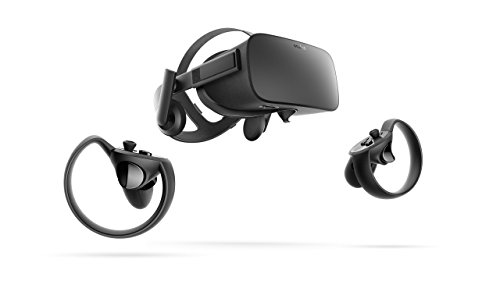
The Oculus Rift refurbished system offers an original PC VR experience that revolutionized home virtual reality. Refurbished units undergo inspection, cleaning, and testing to ensure functionality and appearance close to new. This option provides access to the earlier era of PC VR with a focus on reliable performance and verified quality. It remains a solid entry point for users who want a proven VR library with broad headset compatibility and established tracking ecosystems.
Key features include a renewed focus on stability, a history of strong game catalogs, and a commitment to quality restoration. Prospective buyers should confirm the warranty terms for refurbished devices and consider compatibility with their current PC hardware and software libraries when evaluating a purchase. This option suits fans of classic PC VR titles who value a budget-friendly path into immersive gaming.
Pimax Crystal Light VR Headset for PC
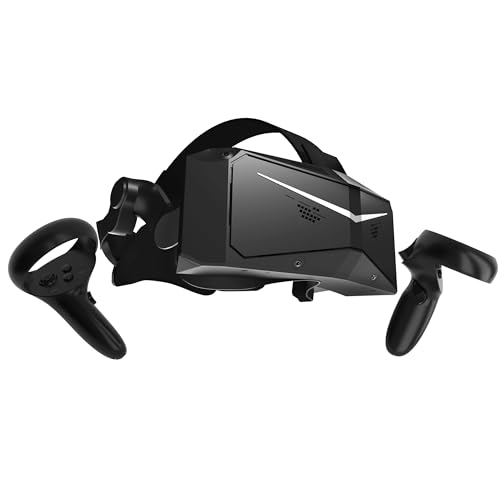
The Pimax Crystal Light VR Headset emphasizes visual clarity with a 2880×2880 per-eye resolution and a 16.6 million pixel display. The QLED screen supports local dimming and HDR for high contrast and vivid colors, while a glass aspheric lens delivers edge-to-edge clarity with reduced distortion. This setup is well-suited for flight sims, racing, and expansive exploration within SteamVR or other PC VR environments. The lightweight build aims to balance comfort with extended play sessions.
Considerations include the potential need for a powerful PC to fully leverage the resolution, the importance of comfort for longer sessions, and how the local dimming and HDR features translate to real-world gameplay. For enthusiasts seeking top-tier image fidelity in a PC VR headset, this model offers a compelling option within the high-end segment.
DPVR E4 VR Headset – PCVR

The DPVR E4 targets hardcore PC gamers and business users with a strong emphasis on visual quality and comfort. It supports SteamVR titles and offers a high-resolution Fast LCD display with adjustable refresh rates (72Hz, 90Hz, 120Hz) and a wide 116-degree field of view. With a light 285-gram frame and IPD adjustment, the E4 aims to reduce fatigue during extended sessions. Its binocular overlap supports robust 3D depth perception, contributing to immersive gameplay across genres such as Action, RPG, and Sports.
Users should weigh the importance of display clarity, headset weight, and comfort against budget and PC compatibility. The E4 stands out for those prioritizing have-hardware synergy and wide FOV, making it a strong choice for immersive PC VR experiences that demand crisp visuals and responsive tracking.
16 Feet Link Cable for Quest 3S/Quest 3

The 16-foot VR link cable from VCNBAN expands freedom in room-scale VR with a long, high-speed USB 3.0 to USB-C connection. It supports Quest 3S, Quest 3, Quest 2, Pico 4, and PC/SteamVR, delivering up to 5 Gbps data transfer for clearer visuals and smoother gameplay. The L-shaped connector design minimizes unplugging during movement and the cable length offers ample play space for room-scale setups. The cable is designed for data transmission primarily, and it’s not intended to be a charging solution, ensuring performance remains stable during gameplay.
Prospective buyers should verify USB port compatibility on their PC (USB 3.0/3.1/3.2) and the headset’s power needs. The long cable is ideal for those who want maximum freedom of movement without being tethered by a short cable, particularly in large play spaces or shared rooms where placement flexibility matters.
VakiReyy 10FT Link Cable for Oculus Quest 3/Quest 2

The VakiReyy 10-foot link cable offers a flexible, longer connection for Quest 3 and Quest 2 to PC VR experiences. It supports USB 3.0 to USB-C connections, enabling data transfer and gameplay links to PC VR ecosystems while maintaining a degree of freedom in play spaces. The L-shaped connector and USB-C interface are designed to reduce accidental disconnections, promoting smoother operation during movement. It’s suitable for players who want a reliable, extended tether to enjoy PC VR titles from a comfortable distance.
Important considerations include ensuring your PC has appropriate USB ports with sufficient bandwidth and whether your VR setup benefits from a longer tether for comfort and range. This option serves as a practical bridge between standalone headset usage and PC VR libraries for Quest users seeking expanded access to PC VR content.
Link Cable with 27W Charging Port 20FT

This long 20-foot USB-C link cable combines PC VR connectivity with an integrated 27W charging port to support Meta Quest 3S/Quest3/Quest2/Pro/Pico 4. It uses a balanced internal chipset to manage current and data transmission, with a 90-degree connector and gold-plated plugs for durability. The extended length supports greater play space while keeping charging capabilities readily available when battery levels permit. It’s designed to maintain stable connections during active VR sessions.
Purchase considerations include whether you need a longer cord for room-scale play, the necessity of charging alongside gameplay, and compatibility with your PC’s USB-C ports. This option is well-suited for users who want seamless PC VR access with the practical benefit of ongoing charging during sessions.
Buying Guide: VR Without a PC
Key purchase considerations
Determine your primary VR use case: standalone experiences, PC VR libraries, or mixed setups. Standalone headsets emphasize portability and ease of use, while PC VR demands more powerful hardware but offers a wider game library. For accessories, assess cable length, data transfer speeds, and charging capabilities to support longer play sessions and convenient charging. Comfort features such as weight, balance, and IPD adjustment influence long-term usage.
Display and clarity
Look for high pixel density, wide FOV, and HDR or local dimming capabilities if you want immersive visuals. Headsets dedicated to PC VR often deliver sharper images, but premium standalone or cable-enabled options can still provide satisfying experiences for action, simulation, and exploration titles.
Comfort and fit
Weight distribution, padding, and adjustability directly affect comfort during extended sessions. Lighter headsets reduce fatigue, while adjustable IPD helps with focus and image stability. If you wear glasses, verify that the model accommodates them without compromising seal or comfort.
Connectivity and compatibility
Verify whether the headset is designed to operate as a standalone device, or if it requires a PC connection via a link cable. For PC VR, ensure your computer meets recommended specs and has compatible ports (USB-C, USB 3.x). Cable length and build quality matter for movement freedom and reliability during gameplay.
Reliability and warranty
Refurbished devices offer cost savings but come with warranty terms that differ from new units. Check return windows, testing standards, and support options. For accessories, evaluate manufacturer credibility and warranty coverage for cables and adapters to avoid compatibility or durability issues.
Content ecosystem
Consider the availability of games and experiences for your chosen platform. PC VR typically provides access to a broad SteamVR library and community-driven content, while standalone ecosystems favor portability and ease of use. If you value both worlds, multi-device compatibility and robust linking options become important in your buying decision.