This guide highlights five VR-ready laptops that balance performance, display quality, and portability for virtual reality enthusiasts in the American market. Each entry includes a concise overview, key features, and a quick buying snapshot to help you compare at a glance. The selected models span powerful gaming machines and versatile everyday laptops that meet VR requirements without breaking the bank.
| Brand | Model | Display | CPU / GPU | Memory / Storage |
|---|---|---|---|---|
| MSI | Ultra Thin 15 | 15.6″ FHD | Intel Core i5-13420H + RTX 4060 | 32GB RAM / 1TB SSD |
| ASUS | TUF F16 RTX 5050 | 16″ FHD+ 165Hz | Intel Core i7-14650HX + RTX 5050 | 32GB RAM / 1TB SSD |
| ASUS | TUF F16 RTX 5050 | 16″ FHD+ 165Hz | Intel Core i7-14650HX + RTX 5050 | 32GB RAM / 1TB SSD |
| Acer | Aspire Go 15 AI | 15.6″ FHD IPS | Ryzen 3 7320U + Radeon 610M | 8GB / 128GB |
| HP | 15- fc0099nr | 15.6″ HD Touchscreen | Ryzen 3 7320U + Radeon Graphics | 8GB / 128GB |
MSI Ultra Thin 15 VR-Ready Gaming Laptop

Massive RAM and ultra-fast storage define this VR-ready MSI model. It packs 32GB DDR4 RAM and a 1TB PCIe NVMe SSD, delivering smooth multitasking and quick game load times. The laptop features an Intel Core i5-13420H processor paired with an NVIDIA GeForce RTX 4060 GPU for strong gaming and VR performance. A 15.6-inch Full HD display with an anti-glare panel helps reduce eye strain, while available Wi-Fi 6 ensures fast, reliable online updates and multiplayer sessions. This configuration targets users who want robust performance for both VR experiences and productivity tasks.
ASUS TUF F16 RTX 5050 VR-Ready Gaming Laptop
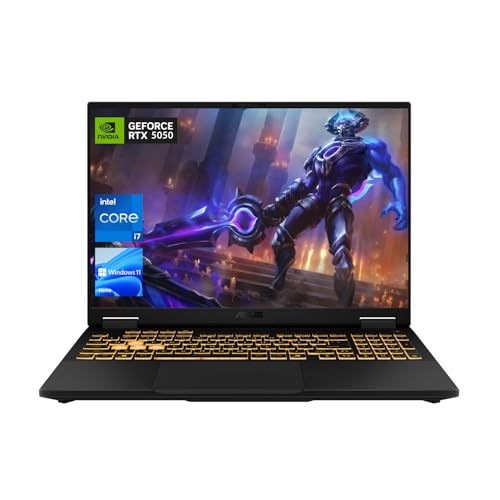
This ASUS TUF F16 model aims at VR-ready gaming with a capacious 32GB DDR5 RAM setup and a 1TB PCIe NVMe SSD. It pairs an Intel Core i7-14650HX processor with an NVIDIA GeForce RTX 5050 graphics chip, delivering strong frame rates and smooth VR experiences. A 16-inch FHD+ display with a 165Hz refresh rate, IPS-level color, and G-Sync support helps maintain crisp visuals in fast-paced VR titles. The inclusion of a MUX Switch and NVIDIA Advanced Optimus helps optimize graphics performance for VR workloads while conserving battery life when not in VR sessions.
ASUS TUF F16 RTX 5050 VR-Ready Gaming Laptop
This variant repeats the core VR-ready configuration with a high-end 16-inch display, 32GB DDR5 RAM, and a 1TB SSD. The RTX 5050 GPU is tailored for modern VR titles that demand robust graphical prowess. A high-refresh-rate display and modern cooling design support sustained VR sessions, while a quick CPU/GPU combo helps in streaming or productivity tasks beyond gaming.
Acer Aspire Go 15 AI Ready Laptop
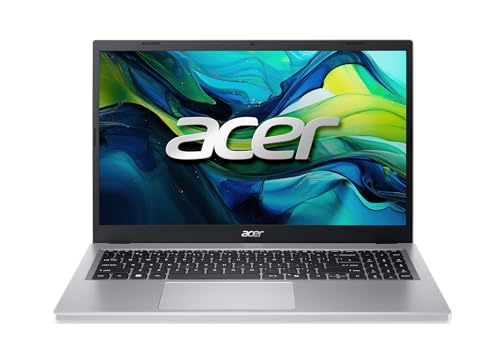
Powered by an up to AMD Ryzen 3 7320U processor and 8GB of RAM with a 128GB SSD, this Acer model emphasizes balanced performance for VR-ready tasks and everyday computing. The 15.6-inch Full HD IPS display provides solid color and viewing angles for VR evaluation or light VR testing. Acer’s Copilot AI assistance is included to boost productivity and simplify multitasking, while BluelightShield technology helps reduce eye strain during longer sessions.
HP 15.6 Inch Laptop With VR-Ready Graphics

This HP laptop pairs an AMD Ryzen 3 7320U with AMD Radeon Graphics, offering a capable platform for VR demonstrations and light VR experiences alongside everyday tasks. The 15.6-inch micro-edge HD touchscreen delivers touch-friendly navigation and flicker-free visuals. A Windows 11 Home in S Mode baseline ensures a streamlined, secure environment, with 8GB of RAM and 128GB SSD supporting basic multitasking and quick boot times. It is a compact option for users exploring VR on a budget.
Buying Guide: VR-Ready Laptop Essentials
- GPU power for VR: Look for laptops with dedicated GPUs capable of delivering consistent high frame rates in VR titles. RTX-series or high-end RTX-class GPUs are common choices for robust VR performance.
- CPU performance: A modern multi-core processor (e.g., Intel i5/i7, AMD Ryzen 5/7) helps handle VR workloads, games, and background tasks without stutter.
- Memory and storage: 16GB RAM is a practical minimum for VR, with 32GB ideal for multitasking and future-proofing. At least 512GB SSD is recommended for quick load times and VR libraries; 1TB is better for large VR environments.
- Display quality: A high-refresh-rate screen (144Hz or higher) reduces motion blur, especially in VR-ready laptops that can double as gaming rigs. IPS panels provide better color and viewing angles for VR demos and setup.
- Thermals and chassis: VR workloads stress the system; ensure the laptop has an capable cooling solution and a sturdy chassis to sustain longer sessions without throttling.
- Battery life vs. VR use: VR typically reduces battery life; evaluate overall usage patterns and portability needs. Some VR-ready laptops balance performance with battery optimization features like MUX switching and NVIDIA Advanced Optimus.
- Connectivity: Ensure Wi-Fi 6/6E support for stable streaming or online VR experiences, plus multiple USB ports (including USB-C) for peripherals and VR headsets.
- Software and AI features: Some models offer Copilot AI assistants or built-in privacy and security features that can enhance daily workflow when not in VR.
The five selected models represent a cross-section of VR-ready laptops available in the American market, ranging from compact mainstream options to high-performance gaming machines. When choosing, consider your VR headsets’ compatibility, the graphic demands of your preferred titles, and how much additional multitasking you expect to do alongside VR usage.