Finding the right virtual reality headset for PC gaming involves weighing resolution, tracking, comfort, and library access. This guide highlights five strong options that balance performance with practical features for American gamers. Each product section provides key specs, visuals, and what to consider when choosing a PC-connected VR headset.
Summary of Chosen Products
| Product | Brand | Key Benefit |
|---|---|---|
| Meta Quest 3 512GB | Meta | High resolution with wireless freedom and strong processing |
| Oculus Rift S PC-Powered VR Headset | Meta | PC-tethered VR with solid optics and ergonomic design |
| Oculus Quest 2 VR Headset 128GB | Oculus | Standalone portability with PC link capability |
| DPVR E3 Series PC Tethered VR Headset | DPVR | Durable, long cable extensions and 4K display tech |
| Pimax Crystal Light VR Headset | Pimax | Ultra-high resolution and detailed visuals for flight/racing sims |
Meta Quest 3 512GB — 4K-Like Clarity, Wireless Freedom

Meta Quest 3 512GB delivers an almost 30% jump in resolution, enabling sharp in-game detail on a virtually wire-free platform. The device runs on the Snapdragon XR2 Gen 2 processor, offering 2x graphical processing power for smoother textures and faster load times. Its untethered design supports immersive exploration and fitness activities without cables. The 40+ game catalog and a three-month Horizon+ trial enhance its value for new users and existing Meta ecosystem fans.
Oculus Rift S PC-Powered VR Gaming Headset

Rift S offers an extensive VR library on PC with improved optics and a bright, vivid display that reduces the screen-door effect. The Halo headband provides quick and secure adjustments for hours of play, while the quick-fit wheel helps tailor comfort during fast, reactive sessions. This headset remains a practical option for gamers who prioritize a robust PC-connected library and reliable tracking.
Oculus Quest 2 VR Headset 128GB

Quest 2 combines a high-resolution per-eye display with a fast processor in a standalone form factor, and can connect to a PC for enhanced gaming experiences. Its 1832 x 1920 per eye resolution provides immersive visuals, while anti-slip controller grips help maintain comfort during long sessions. The device’s flexibility makes it a strong option for users who want ready-to-play VR without being tethered at all times.
VR Headset For Phone — TiCCoonuts

This mobile-focused VR headset provides compatibility with a wide range of smartphones and includes built-in Bluetooth headphones for integrated audio. While not a PC-tethered system, it can serve as an accessible entry point for casual VR experiences, movies, and lightweight VR apps, making it a practical addition for users seeking budget-friendly, on-the-go immersion.
Oculus Rift S PC-Powered VR Gaming Headset
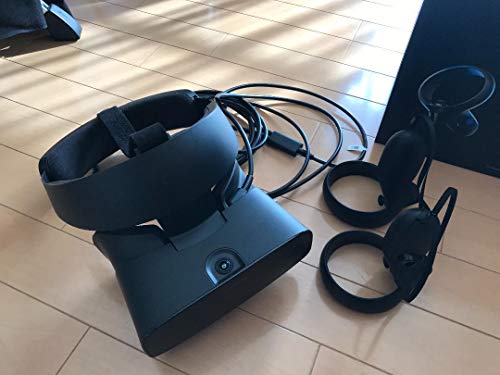
This listing reiterates Rift S as a PC-connected option with a straightforward setup and reliable performance. It highlights basic delivery of all relevant accessories, supporting easy setup for players who want a dependable PC VR experience with access to the Oculus library and PC-compatible titles.
DPVR E3 Series PC Tethered VR Headset

DPVR E3 Series focuses on specialized B2B customization with options for extended extensions up to five meters. Its 4K high-precision 5.5-inch display delivers crisp visuals, making it suitable for enterprise training, simulations, and immersive experiences requiring configurable setups. The model emphasizes durability and stability for prolonged use in educational and professional contexts.
Pimax Crystal Light VR Headset — 8K QLED

The Pimax Crystal Light emphasizes ultra-high resolution and a two-step payment plan, with SteamVR compatibility that suits racing and flight simulators alongside other VR titles. Its 8K QLED visuals and local-dimming technology are designed to deliver sharpness and depth in detailed environments, appealing to enthusiasts who crave cinema-style immersion in flight sims and racing games.
Buying Guide
- PC connectivity vs. standalone: Decide whether you want a headset that requires a PC for every session or one that can run independently and connect to a PC when needed.
- Resolution and optics: Higher pixel density and better lenses reduce the screen-door effect and improve clarity, especially for long play sessions.
- Tracking and comfort: Consider how the headset tracks movement and how the headband and weight distribution feel during extended use.
- Library and compatibility: Look at the available game libraries and whether the headset supports SteamVR, Oculus/Meta stores, or both for broader access to titles.
- Wired vs. wireless: Cord-free models offer more freedom, but may require robust wireless performance or additional accessories for seamless PC connectivity.
- Future-proofing: Features like advanced processors, higher refresh rates, and expandability options can extend the headset’s relevance as PC gaming demands evolve.
- Price-to-performance balance: Compare entry costs, included software trials, and anticipated game catalogs to assess long-term value.
- Use-case scenarios: Flight sims, racing games, and narrative experiences may benefit from higher resolutions and precise tracking; shooters demand low latency and comfortable ergonomics.
Choosing a VR headset for PC gaming involves balancing hardware power, display quality, and ecosystem support. The options above cover a range of preferences—from wireless versatility and strong processing to rugged, enterprise-ready setups and ultra-high-resolution experiences. Consider your primary use cases, room setup, and preferred game genres to determine the best fit for your PC gaming needs.