Exploring virtual reality can offer cognitive stimulation, orientation cues, and enjoyable activities for people living with dementia. The following VR headsets are selected for their ease of use, comfort, and reputable features that support gentle engagement, sensory comfort, and eye protection. This guide highlights five consumer-friendly devices that pair with smartphones, providing a range of apps—from calming visuals to memory-focused content—that may help maintain social connection and curiosity.
Summary of chosen products
- DESTEK V5 VR Headset for Phone
- PUSABIYOU VR Headset
- CoCerKet VR Headset with Built-in Headphones
- CoCerKet VR Headset with Bluetooth Controller
- FEEBZ 3D VR Headset for Kids
Product Overview and Selection Rationale
When selecting VR headsets suitable for dementia considerations, key factors include comfortable fit, light-weight design, adjustable lenses, blue light protection, low-friction operation, and a straightforward app ecosystem. The following five products were chosen for their balance of comfort features, simple setup, and accessibility of content that can be oriented toward reminiscence therapy, passive viewing, or gentle interactive activities.
DESTEK V5 VR Headset for Phone

Brand: DESTEK
Key features: 128 hand-picked free VR apps, sorted into View, Play, Teaching, and Explore. Accessed via a QR code on the headset to download apps directly from DESTEK’s site. The device emphasizes comfort and ease of use, suitable for introductory VR sessions and reminiscence-based experiences. This headset is designed to deliver straightforward engagement with a curated app library, reducing navigation complexity for caregivers and users alike.
VR Headset with Controller (White)
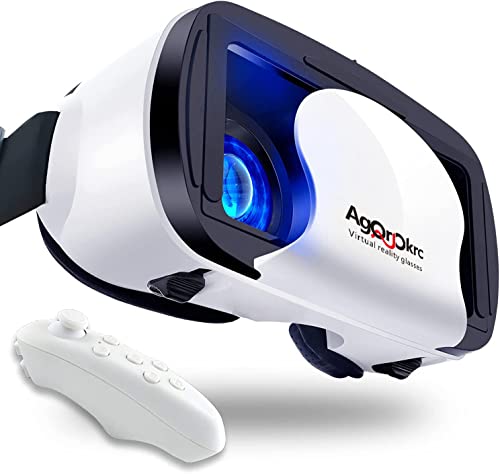
Brand: PUSABIYOU
Key features: Anti-blue light, adjustable interpupillary distance and object distance for clear viewing; supports 5–7 inch phones; straightforward setup and basic control via built-in VR experience. The headset emphasizes comfort and adjustable optics, aiding users who may benefit from stable, undistracted visuals during gentle experiences like nature videos or simple interactive scenes.
CoCerKet VR Headset With Built-In Headphones
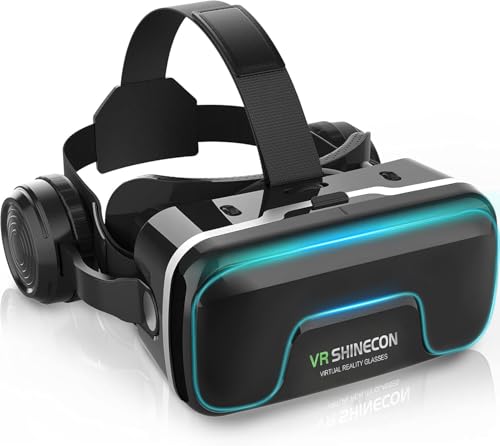
Brand: CoCerKet
Key features: Built-in headphones for improved immersion and a 120° FOV with aspherical lenses. The 2026 design focuses on comfort with breathable padding and an adjustable headband, making it accessible for longer sessions. The long viewing angle and compact form factor can support gentle, engaging activities without requiring precise eye alignment or heavy navigation — useful for reminiscence sessions paired with familiar music or familiar environments.
CoCerKet VR Headset With Bluetooth Controller
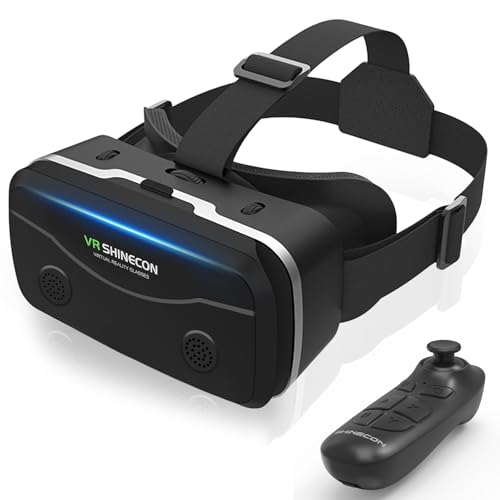
Brand: CoCerKet
Key features: Includes a Bluetooth controller for simple playback control and navigation; comfortable, adjustable headband and padding; 120° ultra-wide angle with 1080P-like clarity via aspherical lenses to minimize distortion. This setup can accommodate easy guided experiences—such as guided tours or simple interactive stories—without heavy input requirements, making it suitable for users who benefit from caregiver-assisted sessions.
FEEBZ 3D VR Headset for Kids
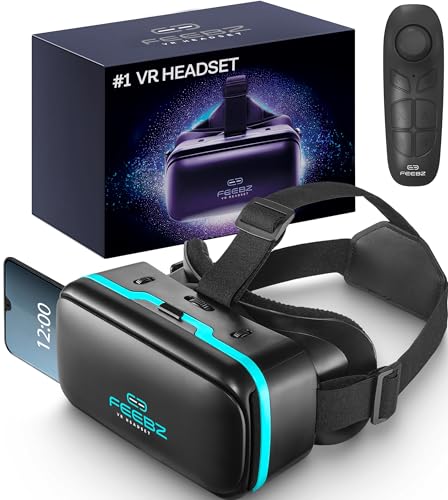
Brand: FEEBZ
Key features: Broad compatibility with iPhone and Android devices; includes free VR content and videos for beginners. Although marketed for kids, its simplicity and kid-friendly content can benefit adults seeking a gentle, non-intense introduction to VR ecosystems or reminiscence activities with familiar visuals and straightforward navigation.
Buying Guide: Key Purchase Considerations
- Ease of Use: Look for simple setup, minimal menu navigation, and easily accessible apps. A QR code or straightforward app store access helps reduce friction for caregivers and users.
- Comfort and Fit: Prioritize lightweight design, breathable padding, adjustable head straps, and lenses that can be tuned for different vision needs. Comfort supports longer, calm sessions without fatigue.
- Eye and Head Safety: Blue-light filtering lenses and adjustable interpupillary distance help reduce eye strain. Consider models with soft facial padding and a secure, stable fit to avoid discomfort during movement.
- Content and App Quality: A curated or well-supported app library can minimize random content exposure and provide familiar, soothing experiences—such as nature scenes, reminiscence prompts, or simple guided activities.
- Hardware Versatility: Phone-based headsets may be more accessible for quick setup, while Bluetooth controllers can assist with simple navigation. Ensure the device supports the user’s phone size and model.
- Caregiver Accessibility: Devices that enable caregivers to control or pre-load apps can reduce on-device adjustments during sessions and promote a calm, structured experience.
In selecting a VR headset for dementia care, the emphasis is on comfort, simplicity, and content suitability. The listed devices offer varying levels of immersion and control while prioritizing eye comfort and easy operation. Always supervise first sessions to gauge comfort, and adjust to the individual’s preferences and attention span.