The value headphone amp market offers compact, affordable solutions that expand headphone monitoring for studios, DJs, and practice setups. This guide highlights five budget-friendly options that deliver clear audio, multiple outputs, and practical features without sacrificing reliability. Each pick integrates easy routing, individual output control, and portability—great for sharing a single source with multiple listeners or musicians.
| Product | Brand | Key Benefit | Amazon Link |
|---|---|---|---|
| Mackie HM Series HM-4 | Mackie | 4 independent headphone outputs from one stereo source | Amazon |
| Fosi Audio PH04 | Fosi Audio | 4 independent channels with per-channel level control | Amazon |
| TONALUXE 8-Channel | TONALUXE | Eight channels with 16 headphone outs for flexible monitoring | Amazon |
| Flatsons F1R Mini Guitar Amp | flatsons | Analog tone with guitar-focused practice and AUX input | Amazon |
| SONICAKE Guitar Headphone Amp | SONICAKE | Pocket-size guitar amp with built-in reverb and headphone output | Amazon |
Mackie HM-4 4-Way Headphone Amplifier

The Mackie HM-4 delivers shared stereo sound to up to four headphones with individual level controls for each output. This compact mixer accessory is powered by a supplied 12V adapter, offering a simple setup for rehearsal rooms, small studios, or live monitoring when multiple listeners need separate volume control. The built-in power option eliminates battery concerns, and its rugged build suits transport between locations. Ideal for classrooms, small bands, or multi-person monitoring in a compact space.
Fosi Audio PH04 4 Channel Headphone Amplifier
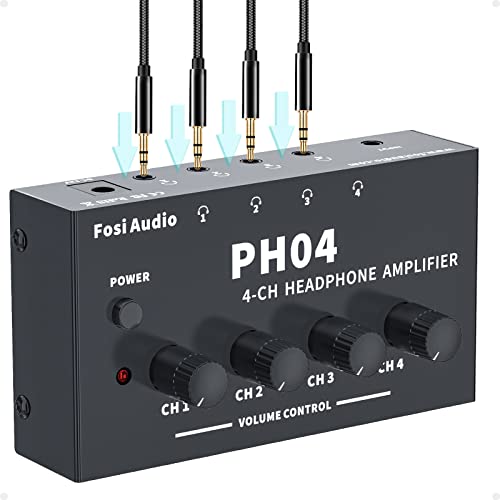
The PH04 provides four independent stereo channels with separate volume controls, enabling multi-user monitoring in small studios or classrooms. Its compact form factor makes it suitable for desktop setups, while the dedicated power solution ensures stable performance across sessions. Suitable for projects requiring simultaneous headphone mixes, such as small bands, collaboration spaces, or teaching studios.
TONALUXE 8-Channel Headphone Mixing Amp

The TONALUXE model handles eight channels with 16 headphone outputs and dual input routes. It supports mono and stereo modes and includes rear inputs for clean routing. With premium components and individual channel controls, this unit is aimed at professional settings where multiple engineers or performers require precise, independent monitoring. It suits small live setups, studios, and educational labs demanding complex headphone distribution.
Flatsons F1R Mini Guitar Headphone Amp
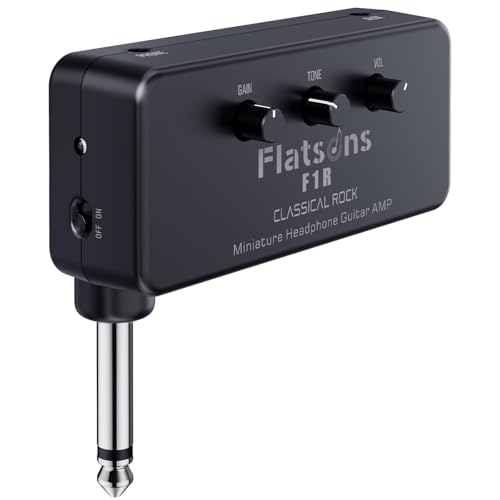
The Flatsons F1R offers a true analog tone for guitar practice with a dedicated 3.5mm headphone output and AUX input for backing tracks. Its high-impedance input helps preserve signal integrity for clean, consistent tone. Distortion controls mimic classic rock tones, making it a practical silent-practice solution for guitarists who want immediate, hands-on tone shaping with headphones.
SONICAKE Guitar Headphone Amp Mini
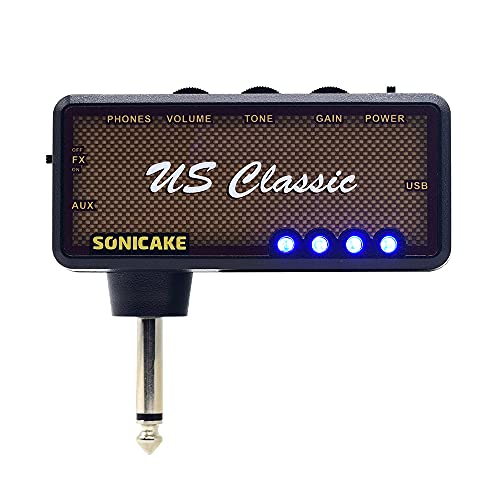
The SONICAKE unit is a compact, plug-in guitar headphone amplifier with built-in reverb effects, designed for silent practice. It slots easily into a bedroom studio or travel rig, delivering classic Tweed amp tones with an easily accessible USB or battery-free operation in most setups. The built-in effects allow tonal variety without requiring a full pedalboard.
Buying Guide
Key purchase considerations when selecting a value headphone amp:
- Number of outputs and routing: If you need to monitor with several people, prioritize models with multiple independent channels and easy per-channel volume controls. TONALUXE models provide extensive channeling, while Mackie and Fosi options work well for smaller groups.
- Impedance and driving power: For high-impedance or low-impedance headphones, check the amplifier’s ability to drive loads (Ω). Higher-powered units typically handle a wider range of headphones without distortion.
- Input options and source compatibility: Consider whether you need mono or stereo modes, rear inputs for clean routing, and whether you’ll feed from mixers, audio interfaces, or direct line sources.
- Portability and size: For practice rooms or mobile setups, compact designs (like Flatsons F1R or SONICAKE) save space, while more robust units (TONALUXE) offer more channels at a larger footprint.
- Sound quality and noise: Look for low-noise amplifiers and good headphone drive, especially if you monitor at higher volumes or in rooms with ambient noise.
- Special features: Built-in effects, USB power, or back-panel inputs can simplify workflows. Analog tone focus (as with Flatsons F1R) suits guitar practice, while multi-channel streaming is better for studio monitoring.