Gamers searching for reliable USB game controllers will find a wide range of options that bridge classic arcade feel with modern compatibility. This guide highlights five solid picks that work well with Windows, Mac, Raspberry Pi, and more, covering wired and wireless styles, ergonomic designs, and programmable features. Each product section includes quick highlights and practical use cases to help you compare at a glance.
Summary table of selected products:
| Product | Brand | Format | Key Strength |
|---|---|---|---|
| Rii Game Controller (2 Pack) | Rii | Wired | Retro feel with broad OS compatibility |
| VOYEE PC Controller | VOYEE | Wired | Enhanced triggers and quick plug-and-play |
| AceGamer Aurora II | AceGamer | Wireless (2.4G) / Bluetooth | Back keys and adjustable connectivity |
| 8Bitdo Sn30 Pro USB | 8Bitdo | Wired USB | Multi-system compatibility with rumble |
| KIWITATA Classic SNES USB | KIWITATA | Wired | Retro SNES layout with PC/Mac support |
Rii Game Controller — Retro USB Controller (2 Pack)
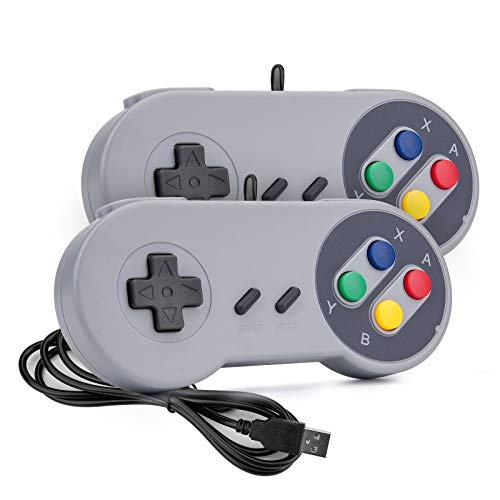
The Rii game controller offers a classic 6-button layout plus Start and Select, designed for retro emulation on PCs and various OS platforms. It is plug-and-play, with no driver installation required for most games that accept USB input. The 1.5-meter cable supports solo or two-player setups, and it’s compatible with Windows, Mac, and Raspberry Pi environments. Users should configure button mappings within their emulator to match preferred controls. Not compatible with Nintendo Switch or PS systems.
Key features include: 6 fire buttons, responsive directional pad, and cross-shaped control. The controller is known for a comfortable hand fit and reliable performance in emulation environments. While it’s ideal for retro titles, it may require manual binding in some Steam configurations via Universal Controller Configuration.
VOYEE PC Controller — Wired Xbox 360 Style
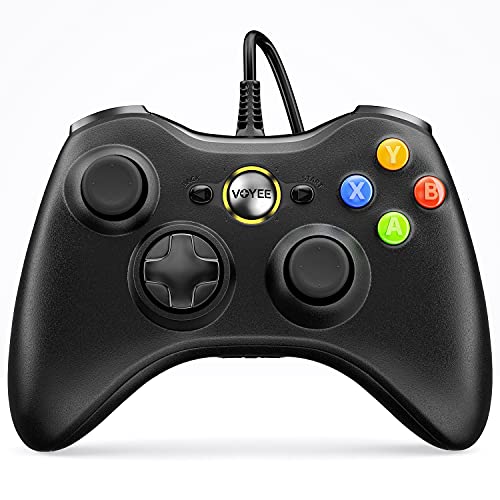
This wired VOYEE controller mirrors the Xbox 360 layout, delivering familiar inputs for Windows systems and select older Xbox titles. It’s a straightforward plug-and-play device suitable for casual gaming and older games that don’t require precise precision beyond standard triggers. While not ideal for first-person shooters, it supports a broad range of PC titles and streaming setups with minimal setup. It is a practical choice for users seeking a reliable, budget-friendly wired option with solid responsiveness.
Highlights include stable compatibility with Windows 11/10/8.1/8/7 and a set of responsive triggers and joysticks. It emphasizes quick command input without noticeable lag, though users should verify specific game support and how the controller maps to their emulator or game. Not designed for FPS-centric titles or high-end wireless features.
AceGamer Aurora II — 2.4G Wireless with Rotary Motors

The AceGamer Aurora II provides wireless versatility with 2.4G connectivity and Bluetooth options, plus two programmable back buttons for custom control schemes. It features Hall-effect joysticks and upgraded motors for smoother drift reduction, aiming to deliver improved precision in longer play sessions. The pairing process is straightforward: for 2.4G, hold A then HOME to start pairing; Bluetooth use requires long-press of the HOME button. This controller suits multi-platform use across PC, Android, Switch, iOS, and Steam Deck while offering adjustable back-button configurations for complex inputs.
Considerations include battery life and potential compatibility nuances with some titles or emulation software. The back-button scheme adds useful flexibility for fighting and platformer games, and the ergonomic design supports extended play without fatigue.
8Bitdo Sn30 Pro USB — Multi-Platform Classic

The 8Bitdo Sn30 Pro USB is a compact, wired controller designed to work across Switch, Windows, and Raspberry Pi. It includes rumble feedback and supports various firmware updates for broad compatibility. The 1.8-meter USB cable provides ample reach for desktop setups or couch gaming with a console-like feel. The Sn30 Pro’s nostalgic SNES-inspired layout makes it a favorite for retro emulation while maintaining modern USB connectivity for PCs and single-board computers.
Performance notes include reliable USB connection and robust button durability. It’s a practical pick for players who want a familiar retro button layout with modern plug-and-play capability across multiple platforms, including Raspberry Pi setups commonly used for emulation projects.
KIWITATA Classic SNES USB Controller

The KIWITATA SNES USB controller is tailored for PC, Mac, and Raspberry Pi, with a classic retro SNES-style layout and ergonomic design. It is compatible with a range of emulators and OS configurations, including Windows XP through Windows 11 and Mac OS X. The device is described as easy to use with precise cross keys and anti-slip buttons. It is designed for retro gaming enthusiasts who want a straightforward USB connection without the need for extra adapters.
Key considerations include compatibility with various emulators and ensuring the user binds inputs appropriately to each software. Its simple plug-and-play approach makes it suitable for quick setup in retro gaming rigs or classroom projects where classic controllers are preferred.
Buying Guide
When choosing a USB game controller, consider these factors to match your needs:
- Platform compatibility: Verify Windows, Mac, Linux, Raspberry Pi, and any consoles or emulation software you intend to use. Some controllers require manual binding in certain emulators or Steam.
- Wired vs. wireless: Wired controllers offer minimal input lag and no battery concerns; wireless designs provide flexibility but may need pairing and battery management.
- Layout and ergonomics: Classic SNES-like layouts suit retro games, while Xbox-style controllers are broadly familiar for modern titles. Button placement affects comfort and accuracy.
- Programmable back buttons: Controllers with extra buttons enable complex input profiles for fighting games or flight sims, beneficial for both PC and multi-platform use.
- Connectivity options: 2.4G wireless, Bluetooth, and USB connections each have pros. Ensure your PC or device supports the chosen method and that pairing is straightforward.
- Emulation friendliness: For retro titles, confirm compatibility with preferred emulators and verify any required key bindings or config steps ahead of play.
In practice, a wired option with a familiar layout works well for casual PC gaming and emulation, while a wireless model with programmable back buttons benefits players who value ergonomics and customization across multiple platforms. For enthusiasts, multi-platform controllers that support Switch, Android, and Steam Deck can extend usage beyond PC alone. Always check user reviews for real-world compatibility with your preferred games and software.