Answer: A USB drawing pad offers reliable pen input, broad software compatibility, and portable use for students, educators, hobbyists, and professionals. The five highlighted options below balance price, pen feel, and compatibility, making them well-suited for beginners, teachers, and creative professionals who need a dependable drawing experience on Windows, Mac, or Chrome OS.
| Product | Brand | Best For | Key Benefit |
|---|---|---|---|
| Wacom Intuos Small (Standard) | Wacom | Students and beginners | Pen-on-paper feel with EMR technology and customizable ExpressKeys |
| XP-Pen StarG640 | XP-PEN | Budget-minded learners | Battery-free stylus, compact 6×4 inch active area |
| XP-Pen G430S OSU | XP-Pen | OSU fans and right/left-handed users | Ultra-compact 4×3 inch area with 8192 levels of pressure |
| HUION Inspiroy H640P | HUION | Digital artists on the go | 6×4 inch area with 8192 pressure and 6 hot keys |
| XPPen Deco 640 | XP-Pen | Android-friendly or OSU users | 16K pressure levels with tilt support and 8 shortcut keys |
Wacom Intuos Small: USB Drawing Tablet
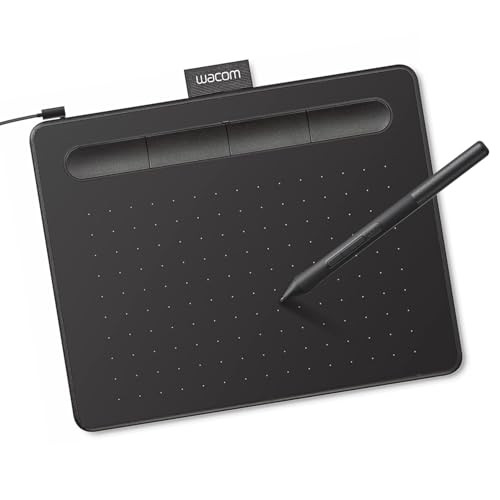
Brand: Wacom. Features include EMR battery-free technology that provides a pen-on-paper feel, compatibility with all software, and customizable ExpressKeys. This device is best for students, hobbyists, and professionals who value precise control and a familiar drawing experience across Windows, macOS, Chromebook, and Android ecosystems.
Best for: Beginners seeking a reliable, portable, plug-and-play drawing pad with solid software compatibility. Choose this if you want professional-grade feel without a steep learning curve. Limitation: Some users may prefer larger active areas for detail work.
XP-Pen StarG640: Compact Battery-Free Tablet
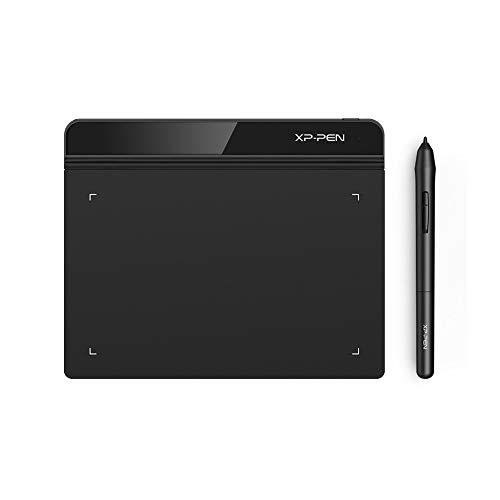
Brand: XP-PEN. Features a battery-free stylus, making it ideal for learners and students who need a no-charging solution. Its 6×4 inch drawing area supports online teaching, note-taking, and light digital art, easily fitting into small desks or bags.
Best for: Budget-conscious beginners and remote learners who want a simple tablet for basic sketching and sign-offs. Caution: The compact active area may feel cramped for detailed work.
XP-Pen G430S OSU: Ultra-Compact Drawing Pad
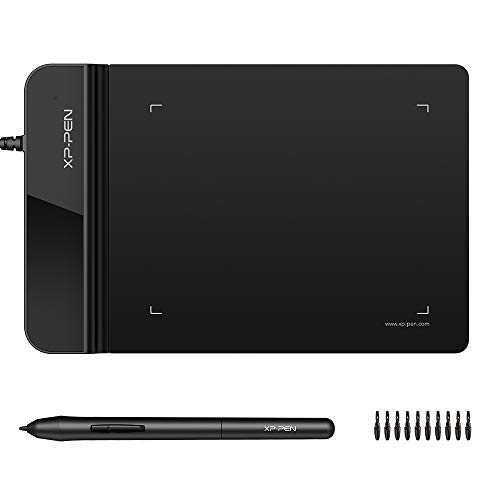
Brand: XP-Pen. This 4×3 inch tablet emphasizes portability and fast input, with 8192 pressure levels and a battery-free stylus. Designed for OSU use, drawing, and signatures, it supports right- and left-handed operation.
Best for: Users who need a tiny, highly portable pad for OSU gameplay or quick sketches. Limitation: The very small active area may limit detailed work.
HUION Inspiroy H640P: Portable 6×4 Pad

Brand: HUION. Features 8192 pressure levels, a 6×4 inch working area, and 6 hot keys plus battery-free stylus. It suits artists who want an affordable, travel-friendly tablet with solid performance for drawing, writing, and teaching.
Best for: Students and freelancers who need a compact, reliable tablet with programmable keys. Caution: The included driver setup may require some initial configuration for optimal shortcuts.
XPPen Deco 640: Advanced 16K Pressure Tablet

Brand: XPPen. This model offers 16,384 pressure levels and 60° tilt support, a 6×4 inch drawing area, and 8 shortcut keys. Designed to feel natural—like drawing on paper—it is a strong choice for both beginners and more experienced artists who want precise control and ergonomic access to commands.
Best for: Artists seeking a high-sensitivity stylus and tilt shading with Android compatibility. Limitation: The higher feature set may come with a steeper learning curve for new users.
Buying Guide: Key Considerations for USB Drawing Pads
What should you evaluate when choosing a USB drawing pad?
- Active drawing area: Larger areas are better for detailed work; smaller pads save space and may suit portability needs.
- Pressure sensitivity: More levels generally allow finer control over lines and shading. Consider 8192 or 16384 levels as common benchmarks.
- Pen type: Battery-free styluses reduce charging hassle and often feel more natural. Check for tilt support if you plan shading or calligraphy-style strokes.
- Express/shortcut keys: Programmable buttons can speed up workflow. Ensure the keys are well-placed for your dominant hand and software.
- Compatibility: Verify compatibility with your OS and software. USB-connected options typically support Windows, macOS, and some Android configurations; Chromebook support varies.
- Portability and build: If you travel often, a slim profile and light weight improve carry options. Look for a durable, though affordable, construction.
- Setup and drivers: Some models require drivers for full functionality; others are plug-and-play. Consider the ease of installation and driver updates.
How to Choose Between Models
- Best for students or beginners: Models with a balanced price and reliable performance, such as Wacom Intuos Small or HUION Inspiroy H640P.
- Better for mobile or space-limited setups: Compact options like XP-Pen StarG640 or XP-Pen G430S OSU.
- Best for artists needing precision and tilt control: Deco 640 or 16K-pressure models offer more nuanced shading.
Software and Workflow Tips
- Most USB drawing pads work across common programs like Photoshop, Illustrator, Clip Studio Paint, and GIMP. Install the driver to map shortcuts and calibrate the pen pressure to your preference.
- Consider creating separate shortcut profiles for different apps to maximize efficiency.
- Use a textured or smooth matte drawing surface side as preferred to match your stroke feel.
Frequently Asked Questions
- Do USB drawing pads require drivers?
Many do, to enable pressure sensitivity, button mappings, and OS compatibility. Some are plug-and-play but may offer limited features without drivers.
- Is a larger drawing area better for beginners?
Yes, a larger area can feel more natural for wide strokes, but a smaller pad improves portability and desk space management.
- Do all pads work with Chromebooks?
No. Chromebook compatibility varies by model and driver support. Check specific product listings for Chrome OS compatibility.
- Is tilt support important?
Tilt support enables shading and varied stroke widths. It’s beneficial for artists who want more natural line variation.
- Are battery-free styluses better?
Battery-free pens require no charging and generally offer consistent weight and feel, which many artists prefer.
- Can these tablets replace a graphics tablet for professional work?
They’re capable tools for many creative tasks, but professional studios may prioritize larger active areas and higher-end devices for extensive projects.