For users seeking an affordable upgrade to their computer’s sound, USB audio cards offer a simple, driverless path to richer audio and clearer microphone input. Whether you’re gaming, streaming, video conferencing, or listening to music, a USB audio card can bypass motherboard limitations and deliver enhanced DAC performance. This guide highlights five reliable options, explains how they differ, and helps you choose the right model for your setup.
Summary of selected products
| Product | Brand | Key Benefit | Typical Use |
|---|---|---|---|
| SABRENT USB External Stereo Sound Adapter | SABRENT | Driverless, plug-and-play, USB-powered | General PC/Mac audio & mic |
| Creative Sound Blaster Play! 3 | Creative | Upgrade to 24-bit/96kHz playback | Music, games, streaming |
| UGREEN USB to Audio Jack | UGREEN | High-resolution DAC, noise reduction | Laptops/desktops, gaming, calls |
| MCSPER USB to 3.5mm Audio Jack | MCSPER | Dual TRS 3.5mm, plug-and-play | Headset, mic, general use |
| StarTech 7.1 USB Sound Card | StarTech.com | 7.1/5.1/2-channel with SPDIF | Home theater, gaming, PC upgrade |
SABRENT USB External Stereo Sound Adapter

The SABRENT AU-MMSA provides a driverless, plug-and-play experience on Windows, Mac, and Linux operating systems. It uses USB bus power with no external power needed, simplifying setup for laptops and compact desktops. Key connections include a USB Type-A port, a stereo output jack, and a mono microphone-input jack. This model is ideal for users who want a straightforward upgrade to clearer sound without installing drivers or software.
What to expect in practice: seamless compatibility across major OS families and reliable operation without additional software. The compact form factor makes it easy to carry for travel or a multi‑device workstation. Audio performance benefits are most noticeable for basic listening, conferencing, and basic game audio where motherboard audio may fall short.
Best use cases: upgrading built-in audio on laptops, adding a dedicated mic input for voice calls, or replacing a faulty onboard sound port. If you require surround or high-resolution audio beyond standard stereo, consider models with more advanced DACs and channel options.
Creative Sound Blaster Play! 3 External USB Sound Adapter

The Creative Sound Blaster Play! 3 is designed for plug-and-play use on Windows and Mac systems, with no drivers required. It emphasizes an upgrade to 24-bit/96kHz playback, providing crisper highs and more dynamic sound for music and games. The device is powered through USB, so it doesn’t require a separate power source. It’s a good match for users who want noticeably improved audio quality without fiddling with settings or software.
Key considerations: USB DAC quality and supported sample rates determine how much benefit you’ll hear. While ideal for music and general media, some users may want more channels (7.1 or extra line-in options) for complex audio setups. Compatibility with newer OS versions is typically solid, but always verify your specific build.
Best use cases: desktop or laptop listening, casual gaming, and video conferencing where clearer voices and richer media playback improve the overall experience.
UGREEN USB to Audio Jack Sound Card Adapter
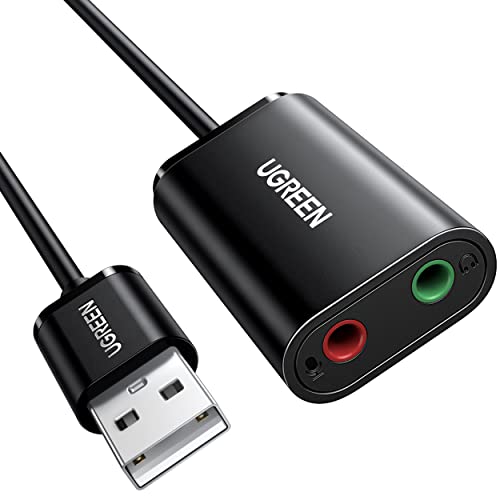
The UGREEN USB to Audio Jack adapter features a built-in DAC and dual outputs for headphone and microphone, enabling high-resolution audio output with reduced noise. It claims plug-and-play operation with no drivers required. The adapter supports 16-bit/48kHz audio, which is sufficient for most daily activities, including gaming, video calls, and streaming. The design emphasizes better clarity and lower noise compared to some built-in sound solutions.
What to know: DAC quality matters for distinguishing subtleties in music and game audio. If you frequently use high-end headphones or require professional-grade mic input, you may want to compare DAC performance and microphone impedance compatibility. Compatibility spans Windows, macOS, Linux, and even gaming consoles in many cases.
Best use cases: office work, remote meetings, light music listening, and casual gaming where a clearer mic and crisper audio are desirable.
MCSPER USB to 3.5mm Audio Jack Adapter
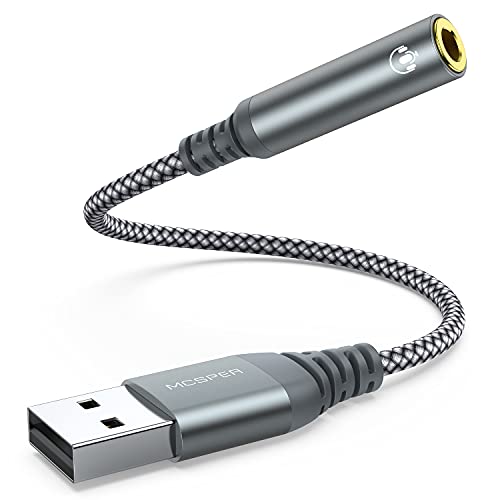
The MCSPER USB to 3.5mm Audio Jack offers dual TRS 3.5mm jacks for headphone and microphone use, enabling listening and speaking via a single USB interface. The device is described as plug-and-play with no external power required and is compatible with a broad range of operating systems, including Windows, macOS, Linux, and PS4/PS5. It emphasizes a built-in DAC for enhanced audio fidelity and a straightforward, portable solution for users who need a quick upgrade to their audio input/output.
Considerations: while the setup is simple, users should confirm mic compatibility with their specific headset and check for any potential driver updates on newer OS versions. This model is typically best for conferencing, basic gaming, and basic music playback where ease of use is a priority.
StarTech 7.1 USB Sound Card
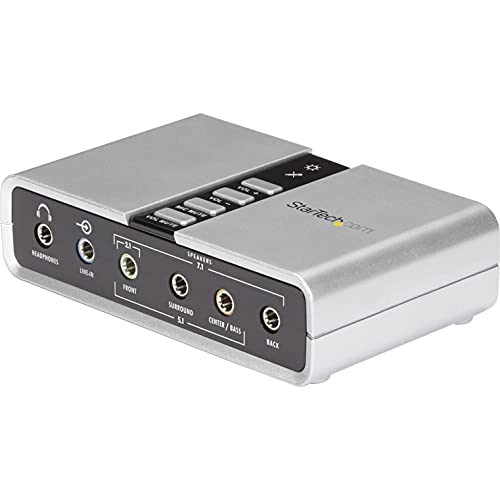
The StarTech ICUSBAUDIO7D external sound card supports up to 7.1-channel audio, with separate line-in, microphone, and headphone jacks. It upgrades a computer’s audio output to analog 7.1 or 5.1 configurations and includes SPDIF digital output passthrough for compatible setups. This model is bus-powered and uses a standard USB connection, making it suitable for desktops and laptops that need surround-capable sound for movies, gaming, or home theater setups.
Strengths and limitations: it offers more channels than typical USB adapters, but may be overkill for basic listening. The device’s SPDIF functionality is useful for users with compatible digital audio systems, but note that SPDIF is limited to 2-channel output at 48 kHz in many configurations. Check your speaker system compatibility before purchasing.
Buying Guide: Key Purchase Considerations
- Purpose and channel count: If you mainly need stereo sound and clearer voice input, a driverless stereo adapter will suffice. For gaming or home theater, consider devices that support 5.1/7.1 output and SPDIF passthrough.
- DAC quality and sample rates: Higher-quality DACs and support for 24-bit/96kHz or higher can deliver noticeable improvements in music and movies. Verify supported sample rates in the product specs.
- Power and portability: USB-powered adapters are convenient for laptops and small PCs. If you need to power multiple devices, look for models with higher current output or external power options.
- Compatibility and drivers: Most of the listed options are plug-and-play, but it’s wise to confirm compatibility with your operating system version and any specialized audio software you use.
- Microphone input quality and impedance: If you use professional headsets or high-impedance mics, check mic input specs and compatibility with CTIA/TS standards for your headset.
- Build quality and durability: Aluminum housings and robust connectors help reduce interference and improve long-term reliability, especially for portable setups.
- Connectivity options: Some devices offer a dedicated mic input, line-in, and multiple jacks; others focus on stereo output. Choose based on your current peripherals and future needs.
In summary, USB audio cards provide a practical route to enhanced sound quality without the complexity of internal sound card upgrades. The five options reviewed here cover a range of needs—from straightforward, driverless stereo adapters to multi-channel devices with digital output. When selecting, prioritize your listening environment, required channels, and compatibility with your devices to maximize value and performance.