If you’re seeking a reliable two-input audio interface, you want models that pair straightforward usability with strong preamps and versatile monitoring. This guide highlights five solid options ideal for podcasters, musicians, streamers, and creators who need two input channels and dependable performance. Each pick is evaluated for who benefits most, potential limitations, and why it stands out in a two-input setup.
| Product | Brand | Two Inputs | Best For | Why It Stands Out |
|---|---|---|---|---|
| M-Audio M-Track Duo | M-Audio | 2 combo XLR/Line | Podcasters, guitarists | Versatile inputs with direct monitoring and USB sound for multiple uses |
| Focusrite Scarlett Solo 3rd Gen | Focusrite | 2 inputs (1 mic, 1 instrument) | Vocalists, solo performers | High-quality preamps and Air mode for clear, bright recordings |
| Focusrite Scarlett 2i2 4th Gen | Focusrite | 2 mic/line inputs | Songwriters, podcasters | Premium converters and auto-gain for easy, pro-sounding captures |
| Universal Audio Volt 2 | Universal Audio | 2 inputs | Home studios, audio enthusiasts | UA preamps with Vintage mode and high-quality converters |
| MAONO E2 Gen2 Bundle | MAONO | 2 XLR combo inputs | Streamers, beginner podcasters | All-in-one bundle with noise reduction and useful extras |
M-Audio M-Track Duo USB Audio Interface
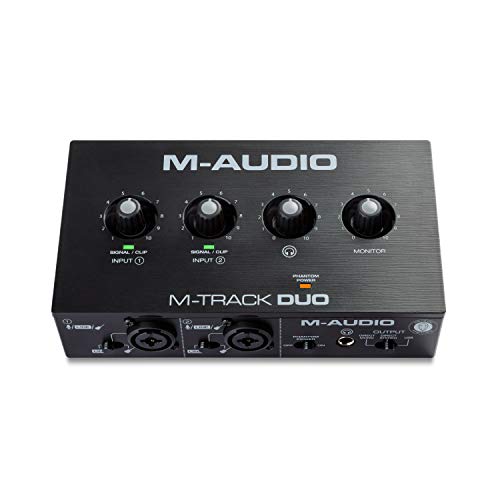
The M-Track Duo provides two combo XLR/Line inputs with phantom power, suitable for recording vocals, guitars, or line-level sources. It offers 48kHz audio resolution and a dedicated 1/4″ headphone output plus stereo outputs for monitoring. A USB/Direct switch enables zero-latency monitoring, making it a practical option for podcasting and streaming. Best for creators who want flexible input options in a compact, USB-powered package.
Best for: Podcasters and solo performers who need straightforward two-input recording with real-time monitoring. A potential limitation: while versatile, it lacks the most advanced onboard processing found on higher-end interfaces.
Focusrite Scarlett Solo 3rd Gen

The Scarlett Solo 3rd Gen centers on two high-headroom inputs (one microphone, one instrument) and Air mode for extra clarity. It delivers studio-quality sound with 24-bit/192kHz conversion and Gain Halos to prevent clipping. This model is ideal for singers or guitar/vocal setups where a compact, high-quality interface is preferred. Best for: Individuals seeking professional-sounding vocal and guitar tracks with minimal setup.
Caution: The Solo 3rd Gen provides two inputs, with one primarily optimized for mic use; if you need two instrument inputs, consider a two-input model with dual mic/line capabilities.
Focusrite Scarlett 2i2 4th Gen
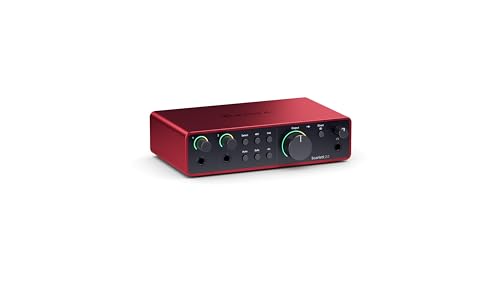
This 2-in/2-out interface features mic/line inputs, high dynamic range, and Auto Gain with Clip Safe protection. It uses award-winning converters for studio-quality results and is well-suited for songwriters and podcasters who want reliable performance with minimal setup. Best for: Users who value automatic gain control and robust recording quality across both voices and instruments.
Limitation: Some users may prefer more onboard monitoring options or additional input types beyond two inputs for complex setups.
Focusrite Vocaster Two

Vocaster Two specializes in podcasting with two mic inputs, headphone outputs, and Auto Gain that tailors levels quickly. It emphasizes broadcast-quality sound and simplicity, making it strong for host-and-guest formats. Best for: Podcasters who want a compact, easy-to-use interface with reliable gain management. Caution: Focused more on podcast workflows; musicians might require more flexible input routing.
Universal Audio Volt 2
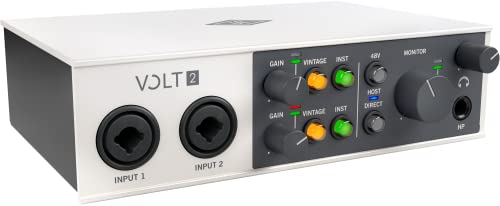
Volt 2 brings Universal Audio’s heritage with two inputs and high-quality preamps, plus Vintage mode for tonal shaping. It supports up to 24-bit/192 kHz and offers strong integration with the LUNA DAW for a workflow reminiscent of a traditional analog studio. Best for: Home studio producers seeking UA-quality sound with a familiar, workflow-friendly DAW. Limitation: May be a higher price point for hobbyists or beginners starting out.
MAONO E2 Gen2 Podcast Bundle

The MAONO E2 Gen2 bundle adds two XLR combo inputs with up to 60dB gain, noise reduction tech, and eight customizable sound effect buttons. It’s designed for streamers and podcasters who want a complete package with easy setup and built-in extras. Best for: Beginners and intermediate podcasters who value straightforward operation and extra features for engagement. Caution: While feature-rich, it may offer fewer professional-grade options compared to higher-end interfaces.
Buying Guide
What should you consider when choosing a two-input interface?
Input type and gain range: Ensure the two inputs support your mics or instruments, and that the gain range accommodates your typical microphone types. Dynamic mics require reliable gain without noise.
Audio quality and latency
Look for interfaces with 24-bit/192 kHz conversion and low-latency monitoring. This helps preserve vocal clarity and instrument detail during tracking and streaming.
Monitoring options
Zero-latency monitoring and easy mix controls let you hear what you record in real time. Some models offer direct monitoring, while others use software routing for monitoring mix control.
Software and ecosystem
Some interfaces ship with bundled software (DAWs, plugins, or bundled presets). Consider how these fit your workflow and whether you already own compatible software.
Portability and power
USB-powered units are convenient for mobile recording. If you need bus-powered operation for laptops, confirm compatibility with your system.
Platform compatibility and expandability
Ensure the device works with your computer’s OS and supports your primary DAW. If you anticipate expanding to more inputs, check future upgrade options.
FAQ
- Do two-input interfaces support both mics and instruments at the same time? Yes, many two-input models provide a mic input and a line/instrument input, while others offer two instrument or two mic/line combinations. Check the specific input types for your needs.
- Is automatic gain control useful for podcasting? Auto gain can simplify setup by setting levels automatically, but you may still want manual control for perfect takes.
- What is latency, and why does it matter? Latency is the delay between speaking into a mic and hearing the result. Lower latency improves real-time monitoring and performance.
- Are bundled software tools important for beginners? Bundled software can help new users get started quickly, but it’s not essential if you already own preferred DAW plugins or programs.
- Can I use these interfaces with both Mac and PC? Most two-input interfaces are compatible with both platforms, but verify driver support and OS compatibility for your setup.
- When should I choose a two-input interface over a larger model? If your needs fit two channels and you value portability, affordability, or simple operation, a two-input interface is often the best fit.