Answering the buyer’s search for dependable two-channel stereo receivers, this guide highlights five solid options and explains who each is best for. These receivers are suitable for traditional hi-fi setups, vinyl lovers, karaoke enthusiasts, and basic living-room audio. The following comparison helps you pick based on power, inputs, and future-proofing features like Bluetooth and Phono.”
Table of Selected Products
| Product | Brand | Key Strength | Typical Use Case |
|---|---|---|---|
| YAMAHA R-S202BL Stereo Receiver | Yamaha | Dual speaker outputs, Bluetooth, FM/AM presets | Classic living room or second system |
| Sony STRDH190 2-Ch Receiver | Sony | Phono inputs, Bluetooth, multiple inputs | Vinyl lovers adding Bluetooth playback |
| Onkyo TX-8470 2-Channel Receiver | Onkyo | Phono-friendly, high-current design | Vinyl-focused setup with refined sound |
| Denon DRA-900H | Denon | HEOS multi-room, 8K HDMI passthrough | Modern connected home theater and stereo in one |
| Donner Stereo Audio Amplifier 600W | Donner | Multiple inputs, Bluetooth, mic inputs for karaoke | Small party or home karaoke setup |
Yamaha R-S202BL Stereo Receiver
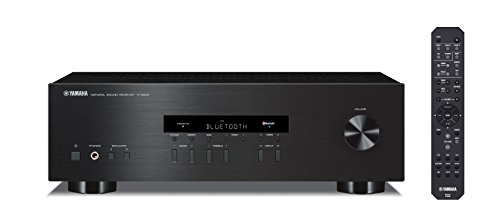
The Yamaha R-S202BL is a two-channel stereo receiver with built-in Bluetooth, FM/AM presets, and a dual speaker selector for two systems. It supports a wide frequency range and provides clear, balanced sound. This model is best for a basic, reliable home audio setup or a secondary living room system. The inclusion of Bluetooth makes wireless streaming convenient, while the two-systems speaker terminals support multi-room listening. A limitation is the absence of advanced HDMI or modern streaming ecosystems beyond Bluetooth; if you need network streaming, consider alternatives like Denon with HEOS.
Sony STRDH190 2-Ch Receiver

The Sony STRDH190 offers 100 watts per channel (8 ohms) with Bluetooth and a phono input, making it an accessible choice for vinyl lovers who want handy wireless playback. It is suitable for small to medium rooms and users who appreciate straightforward setup and solid all-around performance. A potential drawback is a simpler feature set compared to premium models; aspiring audiophiles may seek higher-resolution components or more advanced network features.
Onkyo TX-8470 2 Channel Receiver

The Onkyo TX-8470 emphasizes high-quality two-channel audio with a focus on vinyl via a dedicated phono input and a design optimized for high-current drive. It is ideal for vinyl enthusiasts who want clean, detailed playback. The two-channel design means it won’t drive surround-sound systems; consider this if you plan a multi-channel home theater in the future. It also supports modern connectivity without overspecifying features you won’t use.
Joengoep AK50 Home Audio Amplifier

The Joengoep AK50 is a 400W+400W two-channel amplifier with multiple inputs including Bluetooth, USB/SD, FM, and MIC-in with Echo. It supports 4–16 ohm passive speakers and adds a karaoke-friendly microphone setup. This model is best for multi-use rooms or hobbyists who want a compact, feature-rich amplifier with karaoke capabilities. A caution is that it operates as a power amplifier with integrated controls; users may need external preamp gear for additional features.
Denon DRA-900H Two-Channel Receiver

The Denon DRA-900H delivers 100W per channel in a 2.2-channel configuration with built-in HEOS for multi-room streaming and advanced 8K HDMI processing for home theater use. This model is best for buyers seeking high-fidelity stereo as part of a modern, connected home that can also handle video passthrough and streaming across rooms. A potential limitation is that it may be overkill for simple stereo listening if you don’t plan to use HEOS or 8K features daily.
Buying Guide: Key Considerations For Your Two-Channel Receiver
What power level do I need?
Power rating (watts per channel) affects how loudly your speakers can play without distortion. If you have 4–8 ohm speakers in a small to medium room, aim for at least 40–60W per channel. Larger rooms or demanding, low-impedance speakers may benefit from 80W–100W per channel or more.
What inputs matter most?
Consider phono inputs for vinyl, Bluetooth for wireless streaming, and RCA inputs for legacy components. If you plan to add a turntable, a dedicated phono stage improves sound quality. For modern streaming, look for models with Bluetooth or network streaming options.
Do I need network features?
Network features such as HEOS or AirPlay enable multi-room listening and easier integration with smart devices. Denon’s HEOS and similar ecosystems are helpful if you want synchronized playback across rooms or compatibility with streaming services.
Is vinyl a priority?
If vinyl playback is key, prioritize a receiver with a robust phono stage and high-current amplification. Onkyo and Sony models emphasize good phono performance, while Denon offers modern AV connections and streaming alongside analog inputs.
What about space and future upgrades?
Two-channel receivers are often compact. If you anticipate upgrading to a larger system or adding subwoofers, check speaker impedance compatibility and whether the receiver supports subwoofer outputs and speaker A/B switching for separate zones.
Durability and ease of use
Simple interfaces and clear labeling help non-audiophile users. Look for units with straightforward remote controls, reliable build quality, and stable Bluetooth connections to reduce daily setup friction.
Quick comparison at a glance
- Best for vinyl purists: Onkyo TX-8470 and Sony STRDH190 (phono inputs, solid analog path)
- Best all-round connected option: Denon DRA-900H (HEOS, 8K HDMI passthrough)
- Best budget-friendly traditional stereo: Yamaha R-S202BL
- Best karaoke/party ready: Donner or Joengoep AK50 (mic inputs, Bluetooth)
FAQ
- What is a two-channel stereo receiver used for? A two-channel receiver powers and processes audio for two speakers, typically used for living rooms, office setups, or dedicated listening spaces.
- Do I need a phono input? If you own a turntable, a phono input or external phono preamp is essential for proper signal equalization.
- Can these receivers drive active subwoofers? Many models offer a subwoofer output; check the specs to ensure compatibility with your subwoofer’s impedance and connector type.
- Are built-in streaming features worth it? If you stream music regularly and value multi-room capabilities, built-in Bluetooth or network streaming adds convenience and flexibility.
- Is 2-channel audio enough for a home theater? For true stereo music listening, 2-channel can be ideal. For movies with immersive sound, consider an AV receiver or a dedicated subwoofer and speaker setup.