Choosing the right tablet PC can boost study efficiency, note-taking, and collaboration. This guide highlights five student-friendly tablets, comparing performance, storage, display, and portability to help you pick the right device for classes, research, and creative projects.
| Product | Brand | Key Benefit |
|---|---|---|
| Tylvx 2-in-1 Tablet | Tylvx | Stylus-ready 2-in-1 device for notes and sketches |
| Lenovo Idea Tab Pro | Lenovo | Large 12.7” display with AI features |
| EDUAITABLET 2026 Android Tablet | EDUAITABLET | High RAM and expandable storage |
| ZZB 10 Inch Tablet | ZZB | Android 15 with expandable storage |
| COOPERS Tablet 10 inch | COOPERS | GMS-certified with multitasking power |
Across the five selections, you’ll find devices that balance price, performance, and durability for students—from note-taking and document editing to streaming lectures and light gaming between study sessions.
Tylvx 2-in-1 Tablet: 10.1″ Touchscreen, Stylus Included
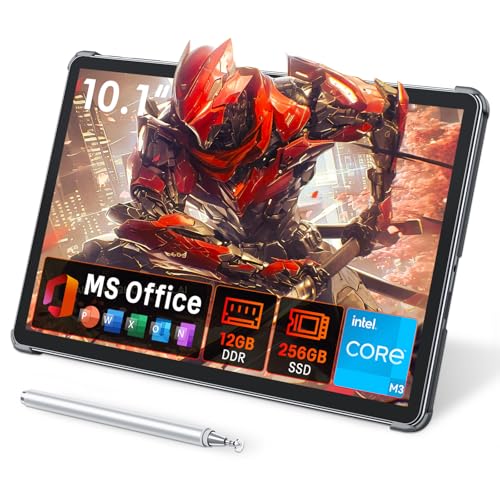
The Tylvx 2-in-1 combines a 10.1″ touchscreen with a precision stylus, designed for natural writing and drawing. Powered by an Intel m3 processor and up to 3.4GHz, it offers 12GB RAM and 256GB SSD to support multitasking for class notes, research, and design work. The device ships with a metal chassis for portability and a case for protection, making it a practical option for students who need a robust everyday computer with drawing capabilities.
Key features include a high-precision stylus for digital sketching and annotation, ample RAM for running multiple apps, and fast storage for documents and large media files. The 10.1″ HD display provides clear visuals for reading and editing, while the all-metal build offers durability for daily campus use. Ideal for creative coursework, note-taking, and light productivity tasks.
Zhehao 12 Pcs LCD Writing Tablet Bundle

This set provides multiple portable doodle boards that are ideal for brainstorming, quick diagrams, or group study sessions. The 12-piece bundle offers enough units for sharing among classmates or for classroom activities, with durable plastic construction and eye-friendly LCD screens. Each tablet is simple to use and lightweight, supporting on-the-go note-taking and visual learning without the need for ink or screen glare concerns.
Use cases include group planning, quick math sketches, and language practice. While not a full replacement for a laptop, these tablets are a useful supplementary tool for collaborative learning, doodling ideas, and keeping multiple assignments visually organized during study sessions.
Tablet 10 Inch Android 15 OS: 16GB+ RAM, 32GB ROM

This Android 15 tablet emphasizes multitasking with 16GB RAM (split as physical and virtual) and 32GB of internal storage, expandable up to 1TB. The 10″ IPS display supports sharp visuals, making it suitable for reading, note-taking, and lecture viewing. A quad-core processor ensures responsive performance for education apps, video streaming, and productivity tasks. The device’s versatility makes it a practical option for students who rely on Android apps for coursework.
ZZB 10 Inch Tablet: Android 15, 1TB Expandable

The ZZB 10-inch tablet runs Android 15 with robust performance for education tasks, media consumption, and light productivity. It includes 8GB RAM (split into RAM and extended memory) and 32GB internal storage, expandable to 1TB. The 10.1″ IPS display supports wide viewing angles for lectures and reading, while the 6000mAh battery aims to deliver longer study sessions between charges. Dual cameras facilitate assignments requiring video or photo submission.
EDUAITABLET: Android 15, 20GB RAM, 64GB ROM

This 10.1-inch Android 15 tablet stands out with exceptional RAM and storage: 20GB RAM (split into 3GB + 17GB virtual) and 64GB ROM, expandable up to 1TB. The Allwinner A333 processor supports multitasking and efficient performance for research, writing, and multimedia. The tablet includes a 2MP front and 8MP rear camera for video calls or class submissions. The Widevine L1 support ensures HD streaming, while the 10.1″ IPS display provides clear visuals for learning content and assignments.
Buying Guide: Key Purchase Considerations
- Operating System and App Ecosystem: Choose Android for broad app access, or Windows-based tablets for desktop software compatibility and familiar productivity tools.
- Performance and Multitasking: Reserve at least 8GB RAM for everyday study tasks; higher RAM (12–20GB) benefits heavy multitasking and creative work.
- Storage and Expandability: Look for 32GB to 64GB base storage with microSD or NVMe expansion options to accommodate lecture notes, e-books, and media.
- Display and Portability: A 10–12.7 inch display balances readability and portability; consider higher resolutions for reading and drafting documents.
- Input and Stylus Support: For note-taking and sketches, prioritize devices with a responsive stylus or active pen and palm-rejection.
- Battery Life: Long-lasting batteries reduce need to carry chargers between classes; verify real-world endurance for day-long use.
- Durability and Accessories: Metal chassis and protective cases extend device life on campus; a keyboard or folio case enhances productivity.
- Software Certification and Services: GMS certification ensures access to Google Play and essential apps; ensure vendor offers timely updates and support.
- User Scenarios: If your coursework involves design, CAD, or media editing, prioritize higher RAM, ample storage, and a capable stylus.
- Budget Considerations: Balance price against performance; mid-range options often provide a strong mix of features for students.
Overall, the best choice depends on your study style and workload. For note-heavy classes and sketch-capable tasks, a 2-in-1 or Android tablet with a responsive stylus can be ideal. If you rely on desktop-grade software, a Windows-based or Windows-capable tablet may better fit your workflow. Consider display size, battery life, and expandability as core deciding factors, and pair the device with a protective case and essential peripherals for campus life.