Finding the right tablet for seniors with dementia involves a balance of simplicity, safety, and connectivity. The following selections emphasize large icons, trusted caregiver support, and features designed to reduce confusion while keeping loved ones engaged with family. This guide highlights five devices and accessories chosen for relevance to memory and safety needs, along with practical buying considerations to help caregivers compare options.
| Product | Brand | Key Benefit |
|---|---|---|
| GrandPad Easy to Use Tablet & Phone for Seniors | GrandPad | Private network, large icons, family sharing |
| Med-Q Digital Pill Box with Alarms | Med-Q | Visual and audible reminders for medications |
| Secure Bed Alarm Bed & Chair Alarm Sets | Secure Safety Solutions | Fall and wander prevention with caregiver alerts |
| Fullicon Weekly Pill Dispenser | Fullicon | 14 compartments with lock for easy multi-dose management |
| POWYS Wheelchair Lap Tray Cushion | POWYS | Posture support and safe tablet/meal placement |
GrandPad Easy To Use Tablet For Seniors
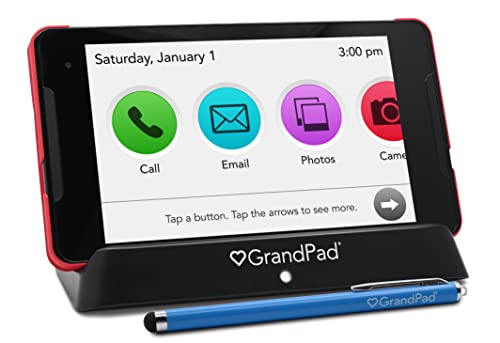
GrandPad is designed specifically for seniors with dementia in mind. It combines a secure, all-in-one tablet and phone with simplified navigation, large icons, and a private network that minimizes spam and scams. This approach helps reduce confusion and increases confidence when staying connected with family and caregivers. The platform includes curated apps and a U.S.-based support team, which can be a critical lifeline for non-technical users.
Activation requires a plan through GrandPad, with options such as Basic, Premium, and Ultimate. Plans are billed monthly or yearly, and the first month is often free. The network is designed for seniors, and certain features may be limited without an active plan. Family connectivity is strengthened by companion apps for Android and iOS, enabling photos and memories to be shared securely.
Key considerations for this tablet include the balance between ongoing plan costs and the value of a protected environment that reduces the risk of scams, along with the user-friendly design. It’s particularly suited for seniors who prioritize easy family communication and a controlled app ecosystem.
Med-Q Digital Pill Box With Alarms

The Med-Q pill dispenser emphasizes safety-focused medication management. It features triple alarms—flashing lights, loud escalating beeps, and visual cues—to ensure pills are taken on schedule, which is particularly helpful for individuals with cognitive challenges. The device clearly marks the exact day and time compartment, reducing the risk of missed or double doses. Easy-to-open compartments and oversized lettering support dementia care routines for caregivers and patients alike.
Designed with seniors and caregivers in mind, Med-Q provides clear alerts and a straightforward layout. Its emphasis on reliable reminders can support daily medication routines, minimize anxiety around dosing, and improve adherence without requiring complex technology literacy.
Lion’s Mane Mushrooms For Dogs Dementia Support

While not a dementia tablet, Lion’s Mane mushroom-based supplements for dogs can support cognitive function in senior pets, which is relevant for households where aging animals are part of the caregiving dynamic. This product includes SAMe and mushrooms like Lion’s Mane and Reishi to promote memory, alertness, and immune health in older dogs. If you share your home with a senior pet, this option can contribute to overall household wellness and reduce caregiver workload related to pet care.
Consider this product as part of a broader dementia care plan that includes human-focused devices. Always consult a veterinarian before starting any new supplement for a pet, and ensure the product is appropriate for your animal’s age and health status.
Secure Bed Alarm For Dementia Patients

The Secure Bed Alarm Set is designed to protect elderly dementia patients who are at risk of wandering or falling. The bed sensor pad detects pressure changes and triggers an 80 dB alarm to alert caregivers. The system resets automatically when the patient returns to the bed, and a tamper-resistant reset option helps prevent inadvertent silencing. The kit includes a durable bed sensor pad, a dependable alarm monitor, and a compatible mounting setup for easy placement.
Durability is emphasized with metal connecting pins and a latex-free cover, making it suitable for long-term daily use. For caregivers, this product provides a straightforward, reliable way to monitor safety and quickly respond to potential hazards in the home environment.
POWYS Wheelchair Lap Tray Cushion

The POWYS wheelchair lap tray cushion supports both safety and comfort in daily activities. This padded tray helps users maintain a stable posture and provides a firm, comfortable surface for tablet use or meals. The design focuses on improved upper body support, reducing fatigue for extended chair or wheelchair sessions. The pillow is made with water-resistant leather-like fabric, making it easy to wipe clean—an important consideration for ongoing daily use and hygiene in dementia care settings.
For caregivers, the lap tray cushion can help position the tablet securely, minimizing accidental drops, while offering a comfortable place for the user to rest an arm. Its sizing is designed to fit typical wheelchair layouts and can be a practical accessory alongside a simple, dementia-friendly tablet interface.
Buying Guide: Key Purchase Considerations
- Security and simplicity: Prioritize devices with easy navigation, large icons, and a protected environment to reduce confusion and fraud risk.
- Caregiver support: Look for products with remote family sharing, caregiver alerts, and reliable customer care to help with setup and troubleshooting.
- Medication management: For memory-loss scenarios, consider pill organizers and alarms that clearly indicate dosing times and reduce mistakes.
- Safety monitoring: Bed and chair alarms, motion sensors, and fall-prevention accessories provide an essential safety net in homes with wandering risk.
- Comfort and accessibility: Ergonomic cushions, touch-friendly interfaces, and easy-clean materials improve daily usability for seniors and caregivers alike.
- Cost and ongoing use: Weigh the initial cost against ongoing service plans, app ecosystems, and support coverage to determine total value.
- Pet considerations: If senior pets coexist with the user, consider supplements and routines to support overall household wellness as part of a broader plan.
- Future adaptability: Choose solutions with scalable features or add-ons to accommodate changing cognitive needs over time.
In evaluating options, caregivers should map each product’s strengths to the specific challenges faced by dementia. A combination approach—one user-friendly tablet for communication, a reliable pill management system, and safety monitoring devices—often yields the most practical, reducing stress while maintaining dignity and independence for the person receiving care.