Discover top options to project, digitize, or preserve your treasured Super 8 and 8mm films. This guide highlights five reliable devices that convert film to digital, playback on classic projectors, or both. Each product offers unique benefits, from built-in screens to frame-by-frame digitization, helping you decide which model best fits your archival needs.
| Product | Brand | Key Feature |
|---|---|---|
| KODAK REELS 8mm & Super 8 Films Digitizer | KODAK | Frame-by-frame digitization to MP4 on SD card |
| Magnasonic Super 8/8mm Film Scanner | Magnasonic | Built-in 2.3″ screen, direct SD saving |
| eyesen 8mm & Super 8 Reels to Digital MovieMaker Pro | eyesen | Auto digitizer with 2.4″ LCD and SD saving |
| Kodak SCANZA Digital Film & Slide Scanner | KODAK | Wide format scanning to JPEG with 3.5″ LCD |
| AnscoVision Dual Super 8MM and 8MM Film Projector | AFG | Classic silent projector with dual-format compatibility |
Below are five selected products that best align with the “Super 8 projector” theme, covering both projection and digitization to help you preserve memories for future viewing.
KODAK REELS 8mm & Super 8 Films Digitizer

The KODAK REELS Digitizer is designed to bring 3″, 5″, 7″, 8″ and 9″ film reels into digital MP4 format without needing a computer. Its 8.08-megapixel sensor captures high-clarity frames with strong color accuracy, offering a frame-by-frame digitization workflow. A large 5” onboard LCD interface enables easy navigation, alignment, and exposure adjustments with oversized buttons for quick operation. Output can be saved to an SD card (not included) for easy viewing on compatible devices. The device supports transferring scans via Micro USB to a TV, computer, or media streamer.
Features include a fully automated scanning process, a direct-to-SD workflow, and a user-friendly screen that simplifies editing and playback. It’s ideal for film enthusiasts who want to preserve motion picture history while retaining the ability to view on modern displays.
DUAL Super 8MM & 8MM Movie Projector (Type II)
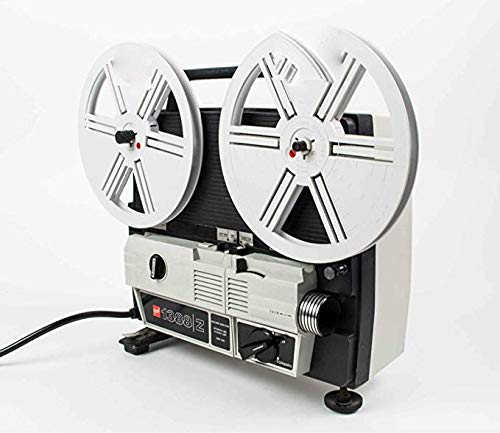
This dual-format projector from AFG is a classic option for viewing Super 8MM and 8MM reels directly on a screen. The Type II model represents a period-specific design from the late 1970s, appealing to collectors who value vintage aesthetics and silent operation. While it doesn’t include built-in digital features, it remains a sturdy, reliable choice for projecting preserved film onto a wall or screen with authentic projection quality.
Key considerations include compatibility with your reels, lamp availability, and the availability of replacement parts. This model suits users prioritizing traditional projection experiences and film preservation through physical viewing.
Magnasonic Super 8/8mm Film Scanner
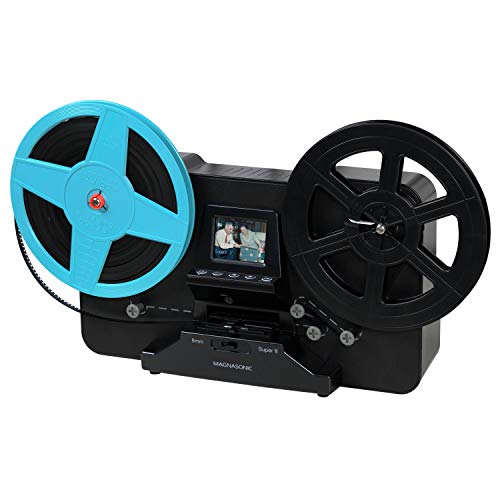
The Magnasonic FS81 scanner is a compact option that automatically digitizes 3″, 5″, and 7″ reels into digital MP4 videos. It features a built-in 2.3″ LCD screen for immediate playback and includes an RCA output for displaying scanned footage on a larger TV. The device saves files directly to an SD card (up to 32GB, not included), providing a straightforward, stand-alone solution without a computer. It emphasizes simple operation with a focus on quick conversion and viewing.
Consider whether you need a larger display or more editing flexibility. This model is well-suited for quick archiving and casual viewing on modern screens.
eyesen 8mm & Super 8 Reels to Digital MovieMaker Pro

The eyesen MovieMaker Pro is a fully automated digitizer designed for 3″, 5″, 7″, and 9″ reels. It features a built-in 2.4″ LCD screen for direct viewing and simple navigation. The device saves digitized films directly to an included SD card (up to 32GB) without the need for a PC. It emphasizes an easy-to-use interface and frame-by-frame capture to produce high-definition MP4 videos, providing a convenient way to preserve memories on modern storage media.
If you want a compact, automated solution with a dedicated display, this model offers a balance of portability and functionality for home archivists.
AnscoVision Dual Super 8MM and 8MM Film Projector
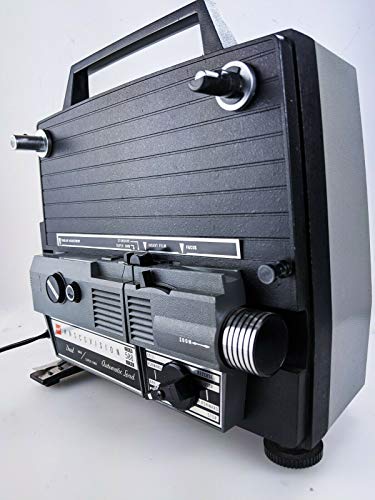
The AnscoVision dual projector supports Super 8MM and 8MM film, offering a vintage silent projection option. Circa 1975–1978, this model emphasizes quiet operation and compatibility with both film formats. It serves users who want an authentic projection experience and appreciate the historical design of classic projectors. Availability of replacement parts and lamp compatibility are important considerations for long-term use.
Kodak Scanza Digital Film & Slide Scanner
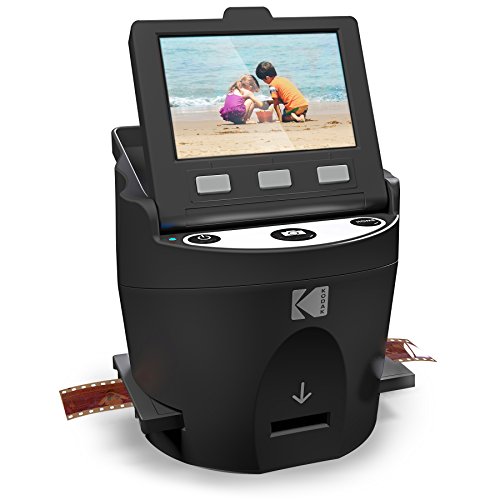
The Kodak Scanza scanner converts 35mm film, 126, 110, Super 8, and 8mm negatives and slides to JPEG. It features a large 3.5″ LCD for easy operation and comes with multiple film inserts and adapters for flexible use. While primarily aimed at still images and negatives, this device expands the ecosystem of film-to-digital solutions, enabling users to digitize a broader range of formats in one setup. It’s suitable for mixed-media archiving needs beyond just Super 8 film.
Buying Guide
- Digitization vs. projection: Decide whether your priority is turning film into digital files for long-term storage or projecting physical reels for a classic viewing experience. Some devices combine both capabilities, while others focus on one task.
- Film format support: Confirm which reel sizes (3″, 5″, 7″, 8″, 9″) are compatible with your collection. Ensure the device handles both 8mm and Super 8 formats if you possess diverse reels.
- Output quality and format: Look for devices that capture frames at high resolutions (1080p or better) and output widely supported formats like MP4 or JPEG. Consider color accuracy and frame stabilization features if your films show aging.
- Ease of use: Built-in LCD screens, oversized controls, and automated scanning simplify operation for non-technical users. A stand-alone SD card workflow reduces dependency on PCs or software.
- Storage and compatibility: If digitizing, verify SD card capacity (e.g., 16–32GB or more) and whether the device supports USB transfer to computers or media players. For projection, assess lamp availability and replacement parts.
- Preservation strategy: Combine devices when needed—use a dedicated digitizer for archival backups, and a projector for occasional viewing with family and friends. Consider creating both high-quality digital archives and tangible film prints if feasible.
- Brand and support: Reputable brands with lasting parts availability help ensure longevity. Look for easy firmware updates and customer support resources.
In summary, selecting the right Super 8 or 8mm solution depends on whether you prioritize archival quality, immediate playback, or a blend of both. The Kodak and Magnasonic options provide straightforward digitization paths, while eyesen and Kodak Scanza expand format compatibility. Vintage projectors like AnscoVision offer nostalgic projection experiences, complementing modern digitization workflows. Evaluate reel sizes, file formats, and how you plan to view or store films to determine the best fit for your collection.