Standalone beat machines let you produce, sequence, and perform without a computer. This guide highlights five top options that combine drum pads, built‑in synths, effects, and smart workflows. Each model supports USB, Wi‑Fi, Bluetooth, or MIDI connections for flexible setups, whether you’re layering tracks in a bedroom studio or performing live. Below you’ll find concise product summaries, visual references, and key features to help you compare for your next purchase.
Summary at a glance:
- Akai MPC One+ Standalone Drum Machine — Advanced MPC workflow with Native Instruments integration and a 7″ touchscreen.
- Alesis SR-18 — Studio-grade standalone with a rich on-board sound library and robust effects.
- Alesis SR-16 — Classic standalone drum machine with a deep catalog of sounds and solid MIDI connectivity.
- Akai MPC Key 37 — Standalone production synth with a 37-note keyboard and expansive plug-in support.
- Donner STARRYPAD — Compact, affordable pad controller with multiple banks and USB MIDI compatibility.
Akai MPC One Plus Standalone Drum Machine

Akai Professional leads with a true standalone beat machine that blends a powerful multi‑core processor, 16 velocity‑sensitive RGB pads, and a 7″ multi‑gesture touchscreen. The device operates without a computer and offers WiFi and Bluetooth MIDI, plus dedicated encoder knobs and transport controls for fast, tactile sessions. Native Instruments integration expands creative options, while the MPC workflow remains familiar for producers who value a quick, hands‑on approach. This model suits beat makers who want a full studio‑grade experience in a compact, stand‑alone package that travels well in live or studio environments.
Alesis SR-18 Standalone Drum Machine

The Alesis SR‑18 delivers a studio‑grade, standalone drum machine experience with an extensive on‑board sound library and built‑in effects. Its performance‑driven I/O supports seamless MIDI integration with keyboards and DAWs, making it easy to layer drums with external gear. The included digital effects add depth and realism to each pattern, appealing to songwriters and live performers who need immediate, console‑like control without tying up a computer. A practical option for producers seeking a robust, self‑contained rhythm engine.
Alesis SR-16 Standalone Drum Machine
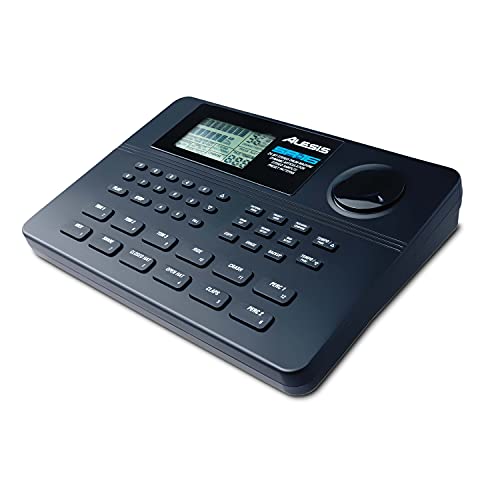
Iconic in the drum machine world, the SR‑16 remains a staple for many studios. This standalone unit features a broad onboard sound library with 233 professional sounds, built‑in digital effects, and Dynamic Articulation for expressive performance. Its MIDI connectivity makes it a solid companion to keyboards, DAWs, and electronic drum kits. The SR‑16’s classic interface and deep sound palette continue to serve generations of producers who value reliable, straightforward rhythm creation alongside realistic, on‑board processing.
Akai MPC Key 37 Standalone Production Synthesizer

This 37‑note standalone production synthesizer from Akai extends the MPC line with a compact keyboard and aftertouch, offering a hands‑on playing experience alongside beat‑making capabilities. It includes Wi‑Fi, Bluetooth MIDI, and Ableton Link 3, while the MPC2 software supports a large number of audio tracks and plug‑ins. The interface is designed for quick, intuitive operation, with a focus on both live performance and studio sequencing. Its integration with Native Instruments and other plug‑ins makes it a versatile hub for composers and producers who need a solitary device that handles synths, drums, and MIDI control in one unit.
Donner STARRYPAD MIDI Pad Beat Maker

Donner’s STARRYPAD packs 16 backlit pads with three banks for 48 assignable pads, plus 2 faders, 2 knobs, and 3 buttons for hands‑on control. It’s class‑compliant for easy plug‑and‑play with other gear, and the USB‑C power and data interface simplifies setup. The pad controller is ideal for live performers and beginners who want visual feedback, velocity‑sensitive triggering, and a flexible platform to launch kits, loops, and samples. It complements larger workstations by providing a compact, portable workflow with expandable MIDI connectivity.
Synido TempoPAD Midi Controller Beat Maker
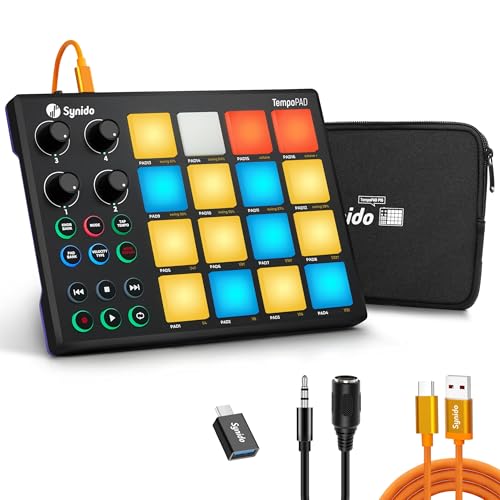
The Synido TempoPAD focuses on practical MIDI drum pad control with 16 backlit pads, 12 additional buttons, and 4 assignable knobs. It supports up to 48 pad assignments across three banks, with velocity sensitivity levels for expressive performance. RGB lighting provides visual feedback aligned to your project, making it easier to manage loops, samples, and effects in Ableton Live, Logic Pro, or other DAWs. The USB‑C connection and MIDI Out facilitate straightforward integration into a compact studio or live rig, ideal for producers seeking an all‑in‑one pad controller with broad compatibility.
Midi Pad Controller for Beginners with Wireless Bluetooth

This compact, beginner‑friendly MIDI pad controller emphasizes wireless Bluetooth collaboration and a bright 4×4 RGB pad matrix. It provides 16 MPC‑style pads for quick beat making, plus 4 levels of velocity sensitivity. Its wireless capability supports live performance and studio sessions, while USB‑C and MIDI Out ensure compatibility with DAWs and external synths. Designed for new producers, it offers a straightforward path to learning loop creation, sample triggering, and live sequencing without a heavy setup.
Buying Guide: Key Considerations When Choosing a Standalone Beat Machine
- Workflow and footprint — Decide whether you prioritize a full standalone workstation (with built‑in synths and a touchscreen) or a compact pad controller that complements a computer‑based setup. Consider the size, weight, and transport controls you need for travel and live gigs.
- Sound library and effects — Look for devices with a robust onboard library or strong integration with software synths, along with built‑in effects that fit your genre, such as vintage delays, compression, and saturation.
- Pad sensitivity and playability — Velocity response, aftertouch (where applicable), and pad feel impact your ability to perform expressive rhythms. A pad matrix with clear RGB feedback helps with color‑coded patterns and scene launching.
- Connectivity — Ensure the device supports your preferred connections: USB, MIDI Out, wireless (Bluetooth/Wi‑Fi), Ableton Link, and sample import/export. For live setups, consider whether you need a dedicated mixer or USB audio interface.
- Software integration — Some devices include integration with popular DAWs or instrument suites (for example, Native Instruments or Ableton Link). Determine whether you need plug‑in support or standalone operation exclusively.
- Power and portability — Battery power is rare at higher‑end units; most require USB or wall power. If you travel or perform live, confirm the included power adapters and any required cables.
- Ease of use vs. depth — Beginners benefit from intuitive layouts and guided workflows, while advanced users may prioritize deep routing, multi‑track sequencing, and extensive editing tools.
- Future upgrades — Some devices support firmware updates and software expansions. Check whether manufacturer ecosystems offer ongoing features that adapt to evolving production needs.
Whether you’re building a compact home studio or adding a performance‑ready device to your rig, options range from feature‑rich MPC standalone machines to affordable pad controllers. The right choice aligns with your preferred workflow, portability needs, and how you plan to integrate pads, drums, and synthesis into your tracks.