Choosing the right solder and flux is essential for durable, reliable electronics work. This guide highlights the best solder and flux options for hobbyists and professionals, focusing on common alloys, flux types, and user-friendly features. Each selection is evaluated for readability, handling, and overall performance on standard circuit boards and components. Browse the following curated picks to find the best fit for your projects and budget.
| Product | Brand | Type | Key Benefit |
|---|---|---|---|
| HengTianMei Tin Lead 63/37 Rosin Core Low Temp Solder Wire | HengTianMei | Solder Wire | Low temp and smooth welding |
| Twocorn 63/37 Solder Wire, Rosin Core | twocorn | Solder Wire | 63/37 balance, easy flow |
| Kester 24-6337-8800 63/37 Rosin Cored Wire | Kester | Solder Wire | Trusted brand, no-clean option |
| WLuogcu 60/40 Solder Wire, Rosin Core | WLUOGCU | Solder Wire | Balanced alloy for quick work |
| SRA Solder 135 Rosin Paste Flux | SRA Soldering Products | Flux | No-clean, clean residues |
Source materials cover a range of common solder compositions and flux chemistries suitable for electronics assembly and repair. The following sections provide detailed product insights to help you compare performance, usability, and compatibility with typical PCB and leaded components.
HengTianMei Tin Lead 63/37 Rosin Core Solder Wire

Materials and construction: This 63/37 tin-lead solder wire uses a rosin core flux and a diameter of 0.8 mm (0.0315 inches), with a net weight of 50 g. The rosin core helps reduce oxidation and provides smooth wetting on copper and PCB pins. The low melting point (361°F/183°C) supports quick, reliable joints on electronics components and DIY repairs.
Performance notes: The 63/37 alloy ratio is a classic choice for strong, fast-setting joints with good fluidity, especially for through-hole and leaded parts. The flux content around 1.8% supports easy flow while minimizing post-solder cleaning for many projects. The compact size is convenient for pocket storage and field work.
Twocorn 63/37 Solder Wire, Rosin Core
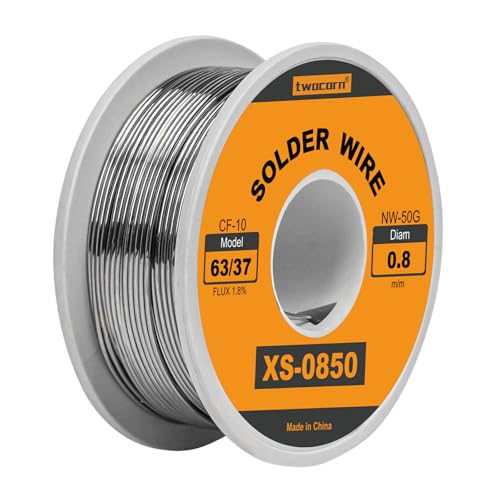
Specifications and handling: This solder wire uses 0.8 mm diameter and 50 g weight, with 63% tin and 37% lead, plus 1.8% flux. Known for low melting temperature and good fluidity, it forms strong, reliable joints quickly. Its rosin core helps reduce oxidation and aids wetting on copper traces and electronic components, making it suitable for hobby projects and small-scale repairs.
Kester 24-6337-8800 Rosin Cored Wire Solder

Overview: Kester offers a trusted rosin-core solder wire with 63/37 alloy and a 0.031″ diameter. The 50-gram spool is a compact option for small projects and repairs. It’s designed for no-clean usage and consistent performance across a variety of electronics applications, making it a reliable choice for professionals and hobbyists alike.
WLuogcu60/40 Solder Wire, Rosin Core

Details and suitability: This 60/40 solder wire offers a balanced tin-lead composition with rosin core flux. The kit emphasizes high-purity materials and good conductivity, with flux aiding surface cleanliness and oxidation resistance. It is well-suited for general electronics assembly, including surface-mount and through-hole tasks, depending on your temperature control and component sensitivity.
SRA Rosin Paste Flux For Electronics
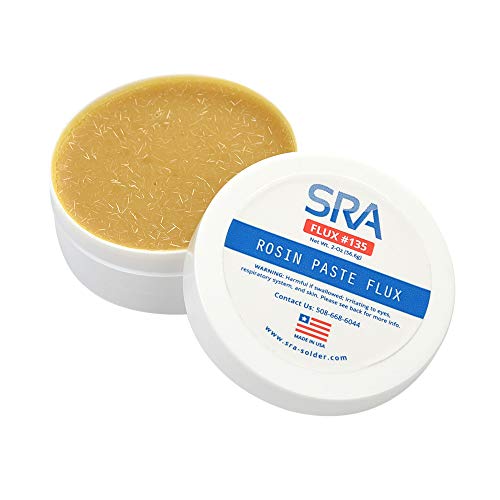
Usage notes: This flux is designed for lead and lead-free soldering on circuit boards and copper wires. The rosin paste is impurity-free, with no goopy residue, providing better control over application. It supports reliable wetting and oxidation removal, while remaining non-corrosive to metal surfaces after soldering when used as directed.
Romeda 2 Jar Solder Flux Paste

Package and capabilities: This set includes two jars of rosin solder flux paste, totaling 70 g. It is non-corrosive and provides anti-oxidation benefits for soldering with gold-copper alloys and other substrates. The flux helps extend tip life and improves joint quality while minimizing residue and cleanup time after soldering.
Buying Guide
Key considerations when selecting solder and flux for electronics projects:
- Alloy composition: 63/37 (tin/lead) offers strong, reliable joints with smooth flow, while 60/40 and lead-free options may be preferred for RoHS compliance or different melting points. Consider your component sensitivity and heat management needs.
- Flux type and residue: Rosin core fluxes provide good wetting and oxidation prevention. No-clean fluxes reduce cleanup, but ensure your board tolerates resin residues or plan for light cleaning.
- Wire diameter: Common sizes range from 0.6 mm to 0.8 mm for general electronics work. Thinner wires are better for fine-pitch components; thicker wires handle higher currents but require more heat control.
- Flux content and activation: Higher flux content can improve wetting but may increase cleaning requirements. Flux formulations specify activity levels and compatibility with leaded or lead-free solders.
- Brand reliability and spool size: Reputable brands typically provide consistent composition and quality control. Evaluate spool weight (e.g., 50 g or 100 g) against your project scope and storage considerations.
- Temperature considerations: Alloys with lower melting points can reduce thermal stress on delicate components. Use temperature-controlled soldering irons to prevent damage.
- Residue handling: Rosin-based flux residues may be mildly conductive in some cases; verify compatibility with your PCB materials and cleaning habits.
For electronics repair and small-scale assembly, pairing a reliable 63/37 rosin-core solder wire with a well-formulated rosin flux provides predictable results and achievable joint quality. Consider keeping a flux with no-clean properties for convenient workflows, and a general-purpose solder with a compatible diameter for both surface-mount and through-hole tasks. Always follow proper soldering safety and ESD practices to protect components and boards.