Small mirrorless cameras offer big image quality in compact bodies, making them ideal for travel, vlogging, and everyday photography. This guide highlights five top options with solid autofocus, 4K video, and versatile lenses. Whether you’re upgrading from a smartphone or starting a video channel, these picks balance portability with performance.
| Product | Sensor | Video | Key Benefit |
|---|---|---|---|
| Canon EOS R100 Kit (18-45) | 24.1 MP APS-C | 4K | Compact starter with great image quality |
| Canon EOS R100 Double Lens Kit | 24.2 MP APS-C | 4K | Two lenses for versatile shooting |
| Canon EOS R50 Kit | 24.2 MP APS-C | 4K | Hybrid camera for photo and video |
| Canon EOS RP + RF 24-105 | 26.2 MP Full-Frame | 4K | Full-frame option in a compact package |
| Nikon Z50 II | 20.9 MP APS-C | 4K | Excellent color and subject tracking |
The following sections profile five leading compact mirrorless cameras, summarizing what they offer for stills, video, autofocus, and handling. Each entry includes a brief, objective look at the camera’s strengths and typical use cases. This is a practical guide designed to help buyers compare features without the distractions of pricing or promotions.
Canon EOS R100 With 18-45 Kit

Stellar image quality starts with a 24.1-megapixel APS-C sensor paired with a capable DIGIC 8 processor. The kit emphasizes portability, with one of the smallest, lightest bodies in Canon’s EOS R lineup. It supports 4K video and offers a friendly entry point for users who want interchangeable lenses without carrying a heavy setup. This model is well-suited for travel, everyday photography, and entry-level content creation. The compact design helps shooters keep rigs light and unobtrusive while maintaining a strong feature set.
Canon EOS R100 Double Lens Kit
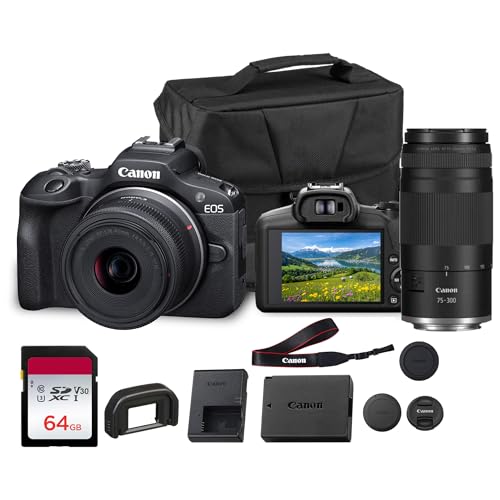
This bundle includes two versatile lenses—the RF-S 18-45mm and the RF 75-300mm—broadening the focal range for landscapes, portraits, and distant subjects. The camera’s 24.2-megapixel APS-C sensor delivers crisp detail, while the DIGIC 8 processor supports reliable performance and 4K recording. For beginners who want a complete setup out of the box, this kit offers a balanced start with both wide and telephoto coverage, plus continued room to grow.
Canon EOS R50 Kit

The EOS R50 targets hybrid use with a 24.2-megapixel APS-C sensor and the DIGIC X processor, delivering high image quality and responsive performance for both stills and video. Dual Pixel CMOS AF II provides broad coverage and reliable subject tracking, useful for vlogging, interviews, and action. With 4K video and a compact footprint, this kit is suitable for creators who need a capable, portable camera that can handle fast-paced shooting and creative autofocus work.
Canon EOS RP + RF 24-105 Kit

This option moves into the full-frame category with a compact form factor. The EOS RP features a 26.2-megapixel full-frame sensor and a versatile RF 24-105mm lens. With optical image stabilization and a broad zoom range, this camera sits well for travel, street photography, and stills that benefit from a larger sensor’s depth and detail. The RP’s compact design makes it a practical choice for shooters who want the look and performance of a full-frame system without a bulky body.
Nikon Z50 II With Two Lenses

The Nikon Z50 II combines a 20.9-megapixel APS-C sensor with a robust autofocus system and built-in wireless sharing features. A wide array of Picture Controls helps users quickly style images, while subject detection and tracking support keep moving subjects in focus. This model is well-suited for travelers and creators who prize color fidelity, reliable AF, and easy sharing workflows alongside 4K video capabilities.
Canon EOS R100 With 18-45 Kit (Bundles)

This bundle highlights the same R100 core with a kit that emphasizes mobility and image quality in a compact body. The 24.1-megapixel sensor and the DIGIC 8 processor enable solid stills and 4K video, while the small form factor makes it a practical travel companion for photographers who prioritize weight efficiency. The bundle approach offers a convenient entry path for newcomers building a foundational kit.
Canon EOS R100 Kit With 18-45 And 55-210

This kit extends the standard 18-45 with a 55-210 telephoto, expanding reach for landscapes, portraits, and sports. The 24-megapixel-class sensor benefits from improved processing, and the included shoulder bag and memory card help buyers assemble a ready-to-shoot setup. The two-lens combination balances close-up versatility with longer-range capability, making it a practical all-around starter kit for various subjects.
Canon EOS R8 With RF 24-50

The EOS R8 entry provides a step up in full-frame performance with a compact design and a modern processing stack. The 24.2-megapixel sensor and DIGIC X processor support high-detail stills and advanced autofocus, ideal for creators who require better low-light performance and video capabilities in a smaller body. The included 24-50mm lens offers a versatile vantage point for everyday shooting and creative experiments.
Buying Guide: Key Considerations For Small Mirrorless Cameras
- Sensor size and image quality: APS-C sensors are common in compact mirrorless models and offer a favorable balance of detail and noise performance. Full-frame options are available but typically cost more and may demand larger lenses.
- Video capabilities: Look for 4K recording with reliable autofocus, including Dual Pixel or similar systems for smooth video. Stabilization and frame rates (30/60 fps) impact usability for vlogging and travel.
- Autofocus and subject tracking: Modern cameras offer sophisticated AF systems with face/eye detection and animal or vehicle tracking. This is critical for moving subjects in portraits, sports, and wildlife.
- Lens ecosystem and flexibility: Kits with multiple lenses provide immediate versatility. Consider future lens options in your chosen brand’s system to ensure growth without frequent gear changes.
- Portability and ergonomics: Small bodies favor travel and street shooting but may sacrifice grip comfort. Check for a comfortable grip, logical control layout, and weight distribution that suits your shooting style.
- Storage and power: Ensure sufficient battery life for your typical shoots and that you have reliable memory options (SD cards) and spares for extended sessions.
- Connectivity: Built-in Wi-Fi or Bluetooth enables quick transfers to phones or computers, which is useful for on-the-go sharing and editing workflows.
- Budget vs. future-proofing: While many affordable options cover basics, consider features that align with your long-term goals—video work, portrait work, travel use, or wildlife shoots.
- Build quality and weather sealing: For outdoor enthusiasts, some models offer better dust- and moisture-resistance. This can be a deciding factor for rugged use cases.
- System investment: If you already own lenses or accessories from a brand, staying within that ecosystem can save time and money and preserve compatibility in the long run.