Answering the search for quiet, reliable 120mm fans, this guide highlights top options that balance airflow with low noise. Ideal for builders seeking a whisper-quiet gaming rig, a silent workstation, or a PC living room setup. Each pick targets a different user type, from budget-conscious builders to enthusiasts who require premium acoustics and performance. Below is a quick comparison table followed by in-depth product sections and practical buying guidance.
| Product | Brand | Why It Stands Out | Best For |
|---|---|---|---|
| Noctua NF-P12 redux-1700 PWM | Noctua | Pressure-optimised blades and high static pressure | Low-noise radiators and CPU coolers |
| Thermalright TL-C12C X3 | Thermalright | Quality S-FDB bearings with vibration reduction | Quiet case cooling with PWM control |
| be quiet! Silent Wings Pro 4 | be quiet! | Funnel-shaped outlet and ultra-high pressure | Radiators and high-demand systems |
| be quiet! Pure Wings 3 | be quiet! | Optimized frame for radiators and low-noise operation | Quiet case cooling and modest builds |
| ARCTIC P12 Silent | ARCTIC | Very quiet motor with strong static pressure | Heatsinks and radiators with limited space |
Noctua NF-P12 redux-1700 PWM
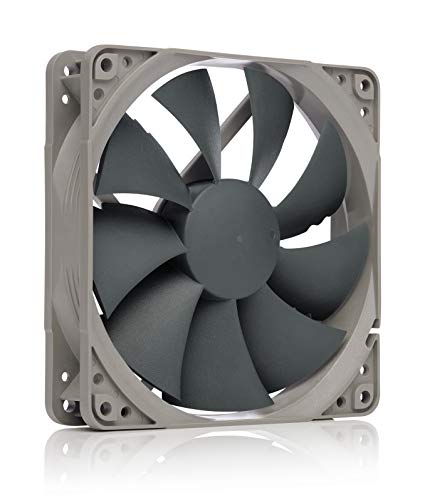
Best for users prioritizing high static pressure and reliability in compact form. This 120x120x25 mm NOC fan uses PWM control to reach up to 1700 RPM with a noise ceiling around 25.1 dB(A). It is suitable for air-based CPU coolers and radiators where pressure matters more than sheer airflow. Cited for extensive awards and a long MTBF, it remains a standard in quiet cooling. Best for enthusiasts who value brand-recognized acoustics and proven performance. Caution: the max speed is high; at full RPM, expect noticeable but controlled noise.
Thermalright TL-C12C X3 CPU Fan 120mm
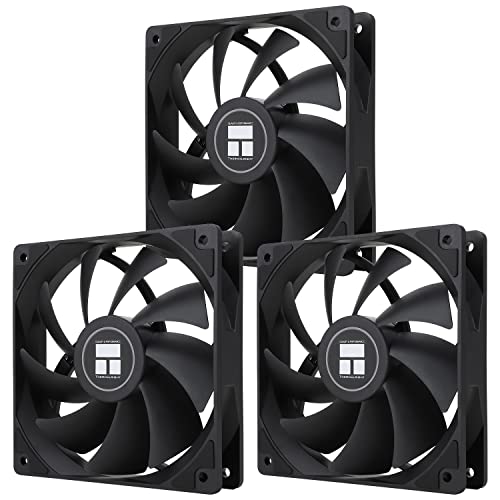
Better for users who want a balance of quiet operation and robust PWM control. The TL-C12C X3 delivers up to 1550 RPM with a long PWM cable for flexible mounting and case configurations. It features S-FDB bearings and four soft silicone pads to minimize vibration. Best for combo setups where quiet performance matters without sacrificing cooling on cases or CPU coolers. Limitation: lower maximum RPM compared to top high-speed models, which may affect peak cooling on demanding loads.
be quiet! Silent Wings Pro 4 120mm PWM

Recommended for high-demand systems requiring exceptional air pressure. The Silent Wings Pro 4 uses optimized blades and a funnel-shaped outlet to deliver high pressure with quiet operation. PWM control supports flexible speed management, making it ideal for radiators and high-performance heatsinks. Best for users who want top-tier acoustic performance combined with high cooling efficiency. Caution: premium price tier may be a consideration for budget builds.
be quiet! Pure Wings 3 120mm PWM

Best for quiet, everyday PC cooling. The Pure Wings 3 frame is optimized for radiators, featuring seven blades tuned for quiet operation and good performance under demanding configurations. It supports very low minimum RPM for silent operation, making it suitable for small builds or noise-sensitive environments. Choose this if you value a balance of quietness and reliable airflow at a lower price point. Limitation: not the highest peak airflow among 120mm fans, but excels in low-noise scenarios.
ARCTIC P12 Silent

Best for heatsinks and radiators with a premium focus on quiet operation. The P12 Silent emphasizes static pressure performance to push air through restricted pathways. A German-developed bearing minimizes friction and noise, contributing to a virtually silent motor. Best for compact builds and thermally constrained systems where noise reduction is essential. Limitation: while very quiet, maximum RPM is modest, so it may not be the top choice for extreme overclocking scenarios.
Buying Guide: Key Considerations for Silent 120mm Fans
- Noise vs. airflow: Balance decibels with CFM and static pressure to match your cooling needs and enclosure design.
- Bearing type: S-FDB, AAO, and other bearings affect lifespan and smoothness; look for low-friction designs for quiet operation.
- PWM control: Ensure your motherboard or fan controller can modulate speeds for dynamic cooling with minimal noise.
- Frame design: Frame geometry and outlet shape influence air pressure; consider funnel-shaped or optimized blades for radiators.
- Compatibility: Verify connector types and cable length for your case, radiator, or CPU cooler mounting.
- Vibration reduction: Soft pads or anti-vibration mounts help keep noise low when fans are mounted in chassis.
Practical How-To: Choosing for Your Setup
If you need maximum quiet for a radiator-based loop, consider fans with high static pressure, such as those from be quiet! Silent Wings Pro 4 or ARCTIC P12 Silent. For budget-friendly yet quiet operation, Pure Wings 3 provides a balanced option. For a premium blend of quietness and performance, Noctua NF-P12 redux-1700 PWM and Noctua NF-A12x25 PWM offer strong acoustics and refined engineering. Always match the fan’s performance curve to your cooling load and enclosure space.
FAQ
- What does PWM mean and why is it important for silent fans?
Pulse-Width Modulation (PWM) allows precise speed control, enabling the fan to run at low RPM for quiet operation when cooling demand is light, and increase speed when needed.
- Are higher RPM fans quieter than lower RPM fans?
Not necessarily. Higher RPM fans can move more air but often generate more noise. Look for fans with high static pressure and efficient blade design to achieve quiet operation at useful speeds.
- Which 120mm fan is best for radiators?
Fans with high static pressure and optimized blade design, such as Silent Wings Pro 4 or ARCTIC P12 Silent, are typically best for radiators where pushing air through fins matters most.
- Should I choose a fan with soft mounting pads?
Yes. Soft mounting pads reduce vibrations that cause audible noise, especially in cases with dense mounting options or hard surfaces.
- Is it worth paying more for premium branded fans?
Premium brands often provide refined acoustics, longer MTBF, and consistent performance, which can be worthwhile for quiet builds or systems that operate near acoustic thresholds.
- How do I know which fan to pick for my case?
Consider your case clearance, radiator size, and whether you prioritize maximum quietness, strongest static pressure, or a balance of both.