For music lovers and creators, reliable microSD and SD cards are essential for storing playlists, high-resolution audio, live recordings, and portable music libraries. The cards listed below are chosen for compatibility with cameras, drones, smartphones, and recorders, while prioritizing read speeds, durability, and capacity. This guide compares models suitable for music-focused use, from compact point-and-shoot cameras to action cameras and handheld recorders, helping you pick the right card for your device and workflow.
| Brand | Name | Capacity / Speed |
|---|---|---|
| Sandisk | SanDisk 32GB Ultra 100MBs SDHC Card | 32GB, 100 MB/s |
| Amazon Basics | Micro SDXC with Full Size Adapter, A2, U3, 100 MB/s | 256GB, 100 MB/s |
| Amazon Basics | Micro SDXC with Adapter, A2, U3, 100 MB/s | 128GB, 100 MB/s |
| Amazon Basics | MicroSDXC UHS-I Class 10, A2, U3, V30, 4K (2-pack) | 64GB, 100 MB/s |
| Wansurs | USB3.0 Micro SD Card Reader 5Gbps | Reader, not a card |
| SanDisk | Ultra Plus 128GB SDXC UHS-I | 128GB, up to 140 MB/s |
| SP Silicon Power | 128GB Micro SD Card U3 | 128GB, up to 100 MB/s |
| Samsung | EVO Select 512GB microSDXC | 512GB, up to 160 MB/s |
Note: Although the table lists several capacities, the article highlights five cards most relevant to music storage scenarios, emphasizing read speeds, reliability, and broad compatibility. When selecting a card, consider your device’s supported SD version, the required speed class (A2 for app performance on mobile devices, U3 or V30 for 4K or high-bitrate audio/video), and the available slot in your recorder or camera.
SanDisk 32GB Ultra 100MBs SDHC Card

The SanDisk Ultra 32GB SDHC card is designed for everyday photo and video capturing with reliable read speeds suitable for music storage as a portable library or for quick transfers. This card is a straightforward option for cameras and handheld recorders where moderate capacity and dependable performance are more important than extra-large storage. It supports standard SDHC devices and aligns with typical consumer cameras and certain GoPro models, making it a versatile starter card for music-focused use-cases that don’t require massive libraries.
Amazon Basics Micro SDXC 256GB A2 U3
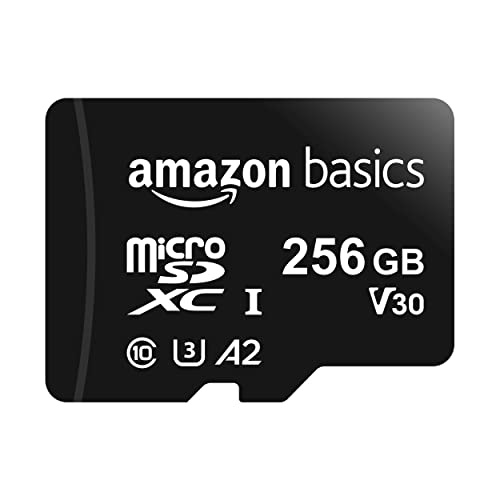
This 256GB Micro SDXC card from Amazon Basics is built for high-demand use, including music apps and offline libraries on smartphones or tablets. With A2 and U3 performance, it supports faster app launches and smoother media playback. The included full-size adapter ensures compatibility with standard SD card slots in cameras and laptops. The card’s substantial capacity makes it suitable for extended music collections, high-resolution audio files, and stored playlists, especially for mobile workflows that demand quick access and reliable transfers.
Amazon Basics Micro SDXC 128GB U3 A2

This 128GB microSDXC card emphasizes speed and versatility with U3, A2, and Class 10 ratings, making it a strong choice for music use in action cameras, drones, or mobile devices. The card supports Full HD and 4K video storage, alongside high-bitrate audio collections, and the included adapter maintains compatibility with devices that require a full-size SD interface. Read speeds up to 100 MB/s support rapid transfers for music libraries and recordings close to real time.
Amazon Basics MicroSDXC UHS-I 64GB (2-pack)
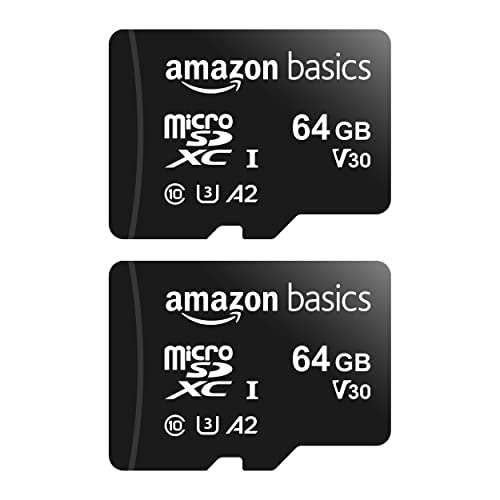
This 2-pack of 64GB microSD cards offers cost-efficient expansion for portable music libraries and devices that record sound or store high-bitrate audio. With UHS-I, Class 10, and A2 specifications, these cards provide consistent read performance, suitable for smartphones or cameras used to capture or play back music. The two-pack format gives redundancy and backup opportunities for events or field recording sessions.
Buying Guide
Key purchase considerations help ensure you choose the right card for music storage and playback across devices:
- Device compatibility: Confirm your device’s card type (SDHC, SDXC, microSD, microSDXC) and supported speed classes. Some entry-level devices may not support very large capacities or UHS-I features.
- Capacity needs: For offline music libraries, streaming apps, or high-resolution audio collections, larger capacities (64GB–512GB) reduce the need for frequent transfers. Balance capacity with device support and cost.
- Speed class and reliability: U3 or V30 classes support sustained write speeds and smooth playback for high-bitrate audio and video. A2 is beneficial for app performance on mobile devices, ensuring quick access to music apps and offline libraries.
- Durability and form factor: MicroSD cards are common in phones and action cameras, while standard SD cards suit larger cameras and laptops. Look for cards with good reviews on durability, error correction, and firmware support.
- Adapters and compatibility: Full-size adapters extend the card’s usability across devices with SD slots. Ensure the adapter is reliable and doesn’t cause read/write errors.
- Reliability and brand trust: Reputable brands provide better firmware updates, error correction, and warranty support. For music applications, dependable cards reduce the risk of data loss during transfers or playback.
- Firmware and lifecycle: Some cards come with ongoing firmware improvements. Check for compatibility notes with your devices, especially if you use newer cameras or recorders.
- Price-to-capacity value: Larger capacities often provide better value per gigabyte, but ensure you need that much space given your devices and usage patterns.
When assembling a music storage setup, consider a mix of cards for different devices: a compact 32–64GB card for on-device playback, a 128–256GB card for larger offline libraries, and a higher-capacity option (512GB+) for archival storage or 4K-capable devices. Using trusted brands and verified adapters helps maintain data integrity during transfers, backups, and playback.
Notes on usage scenarios
For on-the-go music capturing or field recording, choose UHS-I Class 10 or U3 cards to ensure reliable write consistency. For casual music libraries on smartphones, A2-rated cards improve app responsiveness. When using drones or action cameras for musical demonstrations or live settings, higher capacities reduce the need for frequent card changes during shoots.