Choosing the right SD card for a digital SLR ensures fast offloads, reliable storage, and smooth recording. This guide focuses on cards that excel in DSLR workflows, from high‑resolution stills to 4K video. The top picks below are best for different shooting styles: high‑capacity enthusiast shooters, professional photographers needing speed, and budget‑conscious hobbyists. Each entry includes why it’s a strong choice, plus a practical caveat when relevant. The brief buying table summarizes the best all‑around options for DSLR users.
| Product | Brand | Capacity | Best For |
|---|---|---|---|
| SANDISK 256GB Extreme PRO SDXC | Sandisk | 256GB | DSLR with 4K, fast offload, large storage |
| SANDISK 128GB Extreme PRO SDXC | Sandisk | 128GB | Balanced speed and capacity for pros |
| SANDISK 64GB Extreme PRO SDXC | Sandisk | 64GB | Compact kits, fast bursts |
| LEXAR 128GB Professional 2000x SD Card | Lexar | 128GB | Highest read speeds for cinema-quality capture |
| INDMEM SD Card 16GB, 10-Pack | READYXIO | 16GB | Budget set, backup or older DSLR models |
Note: Each card listed here supports class ratings and modern DSLR workflows, but actual speeds depend on the camera model, card reader, and shooting conditions. Always format in-camera to ensure optimal compatibility with your device.
SANDISK 256GB Extreme PRO SDXC SD Card

- Capacities: 256GB, designed for high‑resolution photography and 4K video in DSLR workflows.
- Speed features: Up to 200MB/s read speeds with SanDisk QuickFlow Technology; write speeds up to 140MB/s for shot performance.
- Best for: Professional DSLR users who shoot continuous bursts and 4K/HD video needing quick offloads.
- Why selected: Highest documented read speeds among the listed options and strong reliability for demanding sessions.
- Caution: Real-world speeds depend on host device and usage conditions; offload rate may vary.
SANDISK 128GB Extreme PRO SDXC SD Card
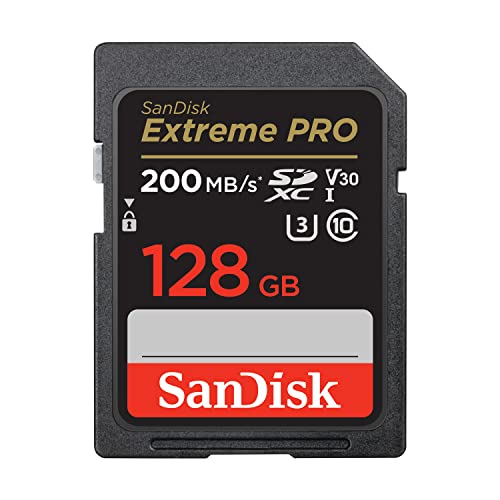
- Capacities: 128GB with high offload speeds suitable for DSLR shoots and 4K recording.
- Speed features: Up to 200MB/s read speeds; shot speeds up to 90MB/s write, depending on device capabilities.
- Best for: Photographers who need a balance of capacity and speed for mid‑ to high‑volume shoots.
- Why selected: Strong write performance that helps sustain burst shooting and faster backups.
- Caution: Availability of the fastest QuickFlow features varies by capacity; check device compatibility.
SANDISK 64GB Extreme PRO SDXC SD Card

- Capacities: 64GB, a compact option for travel or backup kits.
- Speed features: Up to 200MB/s read and 90MB/s write speeds; optimized for quick offloads and reliable bursts.
- Best for: DSLR shooters who want fast performance without carrying large cards.
- Why selected: High sustained speeds in a small capacity card suitable for everyday shoots.
- Caution: Smaller capacity may require frequent card changes on longer shoots.
LEXAR 128GB Professional 2000x SD Card

- Capacities: 128GB with UHS-II technology for high read transfer speeds.
- Speed features: Read up to 300MB/s; write speeds support cinema‑quality capture and high‑resolution stills; backward compatible with UHS‑I devices.
- Best for: DSLR users who require the fastest possible data transfer to speed up file handling and backup workflows.
- Why selected: The higher read speed enhances post‑production workflows and large RAW video transfers.
- Caution: May require a camera or reader that supports UHS‑II to realize full performance.
INDMEM SD Card 16GB (10-Pack)

- Capacities: 16GB per card in a 10‑pack; budget option for backups or older DSLR models.
- Speed features: Class 10, UHS‑I certified with sustained 90MB/s performance typical listed.
- Best for: Budget projects, hobby shooters, or as a backup pool for older DSLRs.
- Why selected: Value‑oriented choice with a practical amount of capacity per card for basic needs.
- Caution: Lower capacities demand more frequent card swapping during long sessions.
Buying Guide
What capacity do you need? High‑volume shooters benefit from 128GB–256GB cards to minimize card changes, while hobbyists can start with 16GB–64GB for travel kits. Do you shoot 4K video? Look for cards labeled U3 and V30 with strong sustained write speeds to prevent dropped frames. Is speed the priority? UHS‑II cards like the Lexar model offer the fastest read speeds, but ensure your camera supports UHS‑II to get the benefit. Are you upgrading or diversifying? A mix of high‑capacity cards for daily use plus budget backups provides reliability without overspending. Remember to format new cards in your camera to ensure compatibility and performance. Face compatibility with future gear by prioritizing widely supported standards (UHS‑I or UHS‑II) and reliable brands.
FAQ
- What is the best SD card for a DSLR with 4K video?
Answer: Cards with UHS‑I or UHS‑II ratings and V30/U3 speeds are recommended; the SanDisk Extreme PRO 256GB is a strong example. - Do DSLR cameras benefit from higher capacity cards?
Answer: Yes, higher capacity reduces the need to swap cards during long shoots and supports larger RAW files and video. - What does UHS speed class mean?
Answer: It indicates minimum sustained write performance; U3 and V30 are common for 4K recording. - Is it necessary to buy two brands?
Answer: Not necessary, but maintaining a small set of trusted brands reduces compatibility surprises. - Will faster cards always be faster in my camera?
Answer: Not always—the camera, card reader, and card interface all influence real speeds. - How should I format a new SD card?
Answer: Use the camera’s format option to ensure compatibility and avoid data loss.