RFID door lock systems offer convenient, keyless access for homes and cabinets alike. This article highlights five reliable RFID-enabled options from Amazon, covering residential entryways and interior storage. Each product includes proximity or card-based access, durable construction, and easy setup. Read on to compare features, installation needs, and security benefits to help choose the right system for your space.
Summary Table of Chosen Products
| Product | Brand | Key Access | Ideal For | Notes |
|---|---|---|---|---|
| AGPTEK RFID Door Access Control System Kit | AGPTEK | Proximity cards, passwords, or hybrid | Home entry with magnetic lock | |
| WOOCH RFID Lock Electronic Cabinet Lock | WOOCH | One key for multiple locks | Cabinets, drawers, cupboards | Compact, wood-friendly, durable |
| ETEKJOY RFID Electronic Cabinet Lock | ETEKJOY | Admin and user cards | Wooden cabinets and drawers | Programmed, multiple locks per key card |
| Homello RFID Lock Electronic Cabinet Lock | Homello | One key for multiple locks | Wood cabinets, drawers, lockers | Broad compatibility, sturdy metal latch |
| Tokatuker Invisible Cabinet Lock | Tokatuker | NFC and RFID supported | Hidden or concealed panels | USB power, supports NFC wallet integration |
AGPTEK RFID Door Access Control System Kit
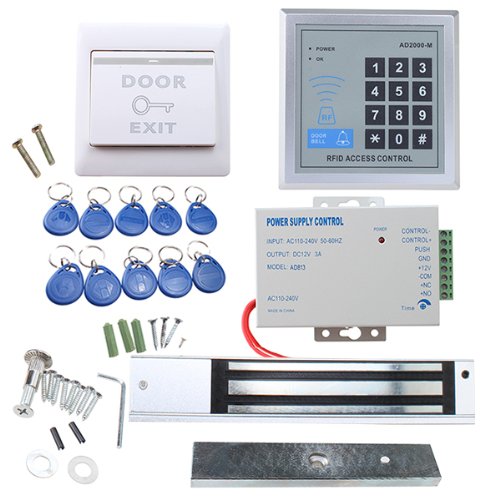
The AGPTEK RFID door access control system kit combines proximity credential access with a robust hardware backbone. It supports opening the door via proximity cards, passwords, or a hybrid approach, offering flexibility in how you grant entry. The kit includes a 280 kg (620 lb) magnetic lock and a 110-240V AC to 12V DC 3A 36W power supply, giving a reliable power path for consistent operation. The system emphasizes data integrity during power fluctuations using a capable CPU and integrated circuitry to minimize data loss. It targets home security with a balance of ease of use and security features, making it suitable for entry doors in residential settings. Installation considerations include mounting the maglock, wiring the control unit, and programming proximity cards and codes for authorized users.
Key takeaways: Modern technology supports reliable access control, and the system’s flexibility can accommodate future credential upgrades. The kit is designed for households seeking a centralized entry solution with multiple access methods, reducing the need to carry multiple keys. For best results, ensure appropriate mounting hardware, power supply compatibility, and a secure credential management process to keep access control airtight.
WOOCH RFID Lock Electronic Cabinet Lock (2 Pack)

This two-pack RFID cabinet lock from WOOCH targets interior storage security with a focus on usability and multi-lock access. The locks are fully programmable, enabling a single key card or fob to unlock multiple locks, which streamlines access control for cabinets, drawers, lockers, medical carts, and similar storage. The program process is supported by instructional resources to ease setup, and the system is designed to accommodate wooden cabinet materials up to 1.5” thick for the cards, with key fobs offering practical range. The hardware includes a compact but sturdy build, with a metal latch suitable for repeated use behind furniture pieces or in office environments. This kit suits users who want scalable internal security without modifying doors or walls.
Considerations include programming complexity, battery life (if used with battery-powered locks), and ensuring the cards or fobs are kept securely to prevent unauthorized duplication. For households or offices, this solution provides a scalable way to lock multiple storage units with a single credential ecosystem, reducing the risk of misplaced keys while maintaining quick access for authorized users.
Electronic Deadbolt Anti-Theft Smart Hidden Door Lock

The Electronic Deadbolt Anti-Theft Smart Hidden Door Lock emphasizes security through invisibility. With no visible lock hole, it reduces the risk of lock picking and tampering. Access is provided via remote control and a dedicated smartphone app, delivering convenient entry management for homeowners. The lock is designed for fast installation and is suitable for doors where a traditional external lock is not desired. App-based features can include access scheduling, temporary codes, and activity logs, depending on the device ecosystem. This type of lock is particularly appealing for front doors or interior spaces where aesthetics matter and traditional key-based entry is not preferred.
When evaluating this option, consider compatibility with your door type, battery life, and whether the remote/app access methods meet your security needs. It’s important to verify firmware updates and ensure secure communication between the lock and your mobile device to prevent unauthorized access through the app or remote control.
ETEKJOY RFID Electronic Cabinet Lock

The ETEKJOY cabinet lock is designed for wooden cabinets and drawers, featuring admin and user card programmability. The lock supports activating multiple locks with a single card, making it convenient for setups with several storage units. It is compatible with wooden doors up to roughly one inch thick and emphasizes a sturdy metal latch and mortise for durability during repeated use. Installation is described as DIY-friendly, and it uses standard batteries for power, making it a flexible option for shared spaces like offices or classrooms. The system supports card-based access control, offering a scalable approach for small businesses or households managing multiple storage compartments.
Key considerations include ensuring batteries are maintained, managing user and admin cards, and confirming that the lock fits your cabinet thickness. The ability to unlock multiple locks with one credential can significantly streamline access management for families or teams needing controlled storage access without issuing a large set of keys.
Homello RFID Lock Electronic Cabinet Lock

The Homello RFID cabinet lock provides a compact, metal-based latch mechanism for medium-duty cabinet security. It highlights a one-key-for-multiple-locks approach, allowing a single credential to unlock several cabinet locks. This feature is beneficial for a home with multiple drawers or storage areas that need synchronized access control. The locks are suitable for wooden cabinets up to approximately 1.5 inches thick and claim easy DIY installation. The system aims to improve safety by restricting access to personal items and more sensitive storage, such as medical carts or data racks in a small office. The product emphasizes a durable build and straightforward programming to manage users and cards.
Practical considerations involve credential management, ensuring compatibility with your furniture, and the reliability of the locking mechanism under regular use. This option appeals to households seeking a simple, scalable method to secure wood cabinets and keep children away from restricted spaces without the need for traditional keys.
Tokatuker Invisible Cabinet Lock
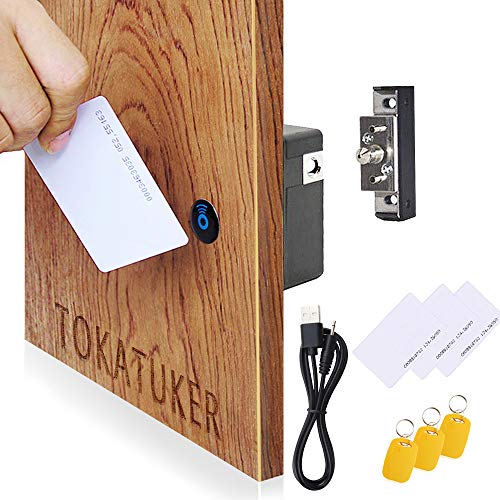
The Tokatuker invisible cabinet lock combines RFID and NFC capabilities for hidden cabinetry access. This lock is designed for wooden doors up to about 1.2 inches thick, with the ability to unlock using RFID cards or NFC-enabled devices. A notable detail is its compatibility with Android wallets for card migration, allowing convenient credential portability. The kit uses USB-powered operation, making it a flexible option where power outlets are available. This invisible design is ideal for hiding hardware behind panels or within furniture to preserve aesthetics while maintaining secure access to valuables or restricted storage spaces.
Key factors to assess include battery endurance, programming steps for admin and user cards, and compatibility with your preferred mobile wallet or access card system. This option suits users who want a discreet locking solution that blends with furniture design while still offering robust RFID/NFC access control.
Buying Guide: Key Purchase Considerations and Comparisons
When choosing an RFID door lock system, consider the following factors to align with security goals and installation constraints:
- Access Methods: Decide whether you need proximity cards, fobs, mobile app control, or combinations. Hybrid systems offer flexibility for households with varying credential preferences.
- Door vs. Cabinet Focus: Distinguish between door-grade lock mechanisms (for entry doors) and cabinet/drawer locks. Door locks require robust latches and weather considerations, while cabinet locks prioritize compact design and wood compatibility.
- Power and Wiring: Some solutions rely on wired power supplies; others use batteries. Plan for power reliability, battery replacement needs, and the availability of backup access methods in case of battery depletion.
- Security Features: Look for anti-tamper designs, anti-spoofing measures, and access logs through apps. Features like temporary access codes can be valuable for guests or service professionals.
- Compatibility and Fit: Ensure the lock thickness, latch type, and mechanical compatibility fit your door or cabinet. Wooden cabinets often work best with rack-friendly locks that don’t require drilling through metal.
- Programming and Administration: Consider how easy it is to add or delete user credentials, and whether admin control is centralized or device-specific. This affects ongoing security management.
- Durability and Build: For high-use environments, opt for metal latches and high-grade components to resist wear. Check for IP ratings if exposure to dust or moisture is a concern.
- Installation Effort: DIY-friendly models save on installation costs but may require careful alignment and mounting. Professional installation can ensure optimal performance for entry doors.
For homes prioritizing concealed aesthetics, invisible or hidden-lock designs offer clean visuals but may entail more complex installation and maintenance. Cabinet-focused options tend to be simpler, with straightforward programming and flexible credential management across multiple locks. In all cases, keep the credential inventory organized and secure to minimize the risk of credential duplication or unauthorized access.