Choosing a reliable SD card is essential for photographers, videographers, and hobbyists who demand dependable storage. This guide highlights top options for speed, capacity, and rugged durability to help you pick a card that fits your camera, drone, or handheld device. Read on for concise reviews, practical usage notes, and a buying guide to compare features side by side.
| Product | Brand | Capacity | Key Speed/Feature Highlights |
|---|---|---|---|
| SanDisk 128GB Extreme PRO SDXC | SanDisk | 128GB | Up to 200MB/s read, UHS-I, 4K support |
| Lexar 128GB Professional 2000x | Lexar | 128GB | Up to 300MB/s read, UHS-II, V90 |
| SanDisk 256GB Extreme PRO SDXC | SanDisk | 256GB | Up to 200MB/s read, 140MB/s write, 4K |
| Lexar 64GB Professional 2000x | Lexar | 64GB | Up to 300MB/s read, UHS-II, V90 |
| Gigastone 256GB SD Card | Gigastone | 256GB | Up to 100 MB/s, 4K UHD compatible |
Note: Speeds are based on manufacturer specifications and may vary with host devices, formatting, and usage conditions. Always format new cards in the target device and back up important data regularly.
SanDisk 128GB Extreme PRO SDXC UHS-I Memory Card
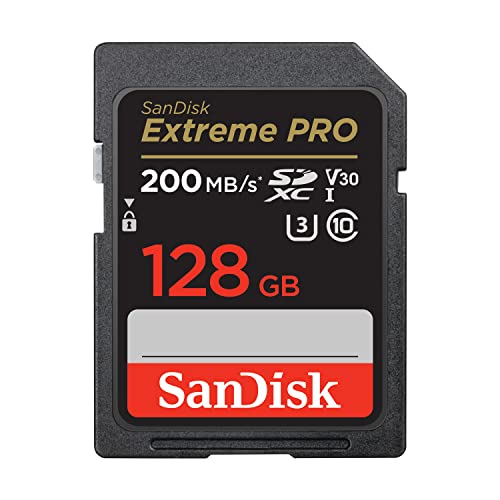
SanDisk’s Extreme PRO line focuses on pro-level performance with QuickFlow technology that can deliver high offload speeds. This card is designed for photographers and videographers who shoot in RAW, 4K, or high-burst modes, enabling quicker transfers to reduce downtime between shots. Features include up to 200MB/s read speeds and a write profile suited to sustained capture. Compatibility with SanDisk PRO-READER accessories can further maximize performance, though real-world results depend on equipment and workflows.
Lexar 128GB Professional 2000x SD Card

Lexar’s 2000x series leverages UHS-II for remarkably fast read speeds, making it a strong choice for cinema-quality video and rapid media transfers. The card is backward compatible with UHS-I devices, broadening compatibility but best utilized in devices that support the higher UHS-II interface. It suits DSLR and cinema workflows that demand stable high-speed transfers for large RAW files and extended high-bitrate video.
SanDisk 256GB Extreme PRO SDXC UHS-I Memory Card

This larger-capacity Extreme PRO card is built for power users who need extended recording in 4K or 8K workflows and large post-production libraries. It offers up to 200MB/s read and up to 140MB/s write speeds in many conditions, with SanDisk QuickFlow optimization available on select capacities. When paired with compatible readers, it supports rapid offloads and efficient workflow integration in professional setups.
Lexar 64GB Professional 2000x SD Card
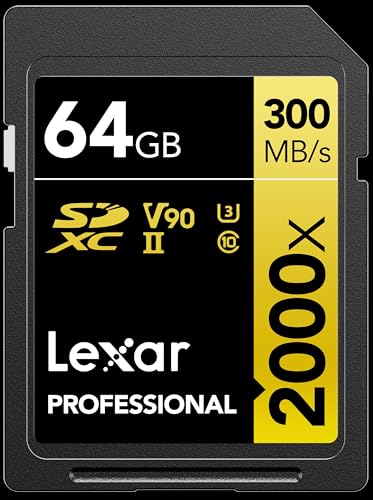
Lexar’s 64GB option delivers rapid read speeds suitable for quick albums and on-the-go shoots where capacity is less critical than transfer speed. The UHS-II interface enables higher throughput for bursts and continuous shooting, while maintaining compatibility with UHS-I devices. It’s a compact choice for photographers who value speed in a smaller card footprint and need reliable performance across various cameras and drones.
Gigastone 256GB SD Card

Gigastone offers a 256GB SD card aimed at 4K UHD workflows with a stated transfer rate up to 100 MB/s. While not as high-speed as top-tier UHS-II options, it provides ample capacity for long recordings and large photo libraries. The card is commonly used in consumer cameras and video rigs that require steady capacity with reliable basic performance and a compact case for transport.
Buying Guide: Key Purchase Considerations
- Speed class and interface: For 4K/8K video or high-speed bursts, prioritize UHS-II (or higher) with class 10/U3/V90 ratings. UHS-I cards are sufficient for many stills and Full HD video but may bottleneck demanding workflows.
- Capacity needs: Balance file sizes and project scope with available card count. High-capacity cards (128GB–512GB) reduce the number of cards needed for long shoots but require careful backup strategies.
- Durability and reliability: Look for cards with robust build quality and vendor warranties. Some models offer resilience against temperature, shock, and water exposure, which is valuable for field use.
- Compatibility: Ensure your camera, drone, or recorder supports the card’s speed class and capacity. Some older devices may not exploit the highest speeds.
- Read vs. write performance: Fast read speeds improve offload times, while strong write speeds matter for continuous recording. Consider both metrics to match your workflow.
- Reader and workflow ecosystem: Brand ecosystems (like SanDisk QuickFlow with compatible readers) can optimize transfer speeds and reliability. Factor in the availability of recommended readers and backup solutions.
- Cost per gigabyte: Higher speeds often come at a premium. If large-scale media management is essential, compute the total cost per gigabyte and compare across brands.
- Warranty and data recovery options: Some vendors offer extended warranties or recovery services, which can be valuable for professional use.