When choosing quality DJ headphones, look for clear sound, comfortable fit, and dependable build for long sessions. This guide highlights five top options well-suited for DJs, producers, podcasters, and music lovers who need accurate monitoring and robust durability. Each pick balances solid bass, detailed mids and highs, and comfortable wear for extended use. The right choice depends on whether you prioritize portability, single-ear monitoring, or studio-grade accuracy. The table below provides a quick snapshot of the recommended models and what they’re best for.
| Product | Best For | Key Benefit | Limitations |
|---|---|---|---|
| OneOdio Wired Over Ear Headphones (Hi-Res Studio Monitor) | Home studios, podcasters | Large 50mm drivers, balanced bass | Design is geared toward monitoring rather than ultra-light portability |
| Pioneer DJ HDJ-CUE1 On-Ear | Live DJing, on-the-road use | Crystal clarity with durable build | On-ear design may be less comfortable for extended wear |
| Pioneer DJ HDJ-X5 | Professional rig and touring | 40mm driver, durable housing | May feel stiff during long sessions |
| OneOdio A71 Hi-Res Studio | Studio monitoring and mixing | 40mm drivers, robust swiveling cups | Non-folding design may affect portability |
| NUBWO Studio Monitor Headphones | Budget-conscious studio work | Hi-Res range, dual audio ports | Build may be less premium than premium brands |
OneOdio Wired Over Ear Headphones Hi-Res Studio Monitor

The OneOdio Studio Monitor headphones use 50mm drivers with neodymium magnets to deliver powerful bass and clear highs. This model is well suited for home studios, podcast work, and general DJ monitoring where a broad, dynamic sound is desired. The large drivers help reproduce low end with impact while maintaining vocal clarity for spoken-word tasks.
Best for: DJs and producers who want a balanced, full-range sound without breaking the bank. This option is also good for podcasters who need precise monitoring across bass and treble without harsh sibilance.
Consider this if you value comfort and a detachable, multi-plug setup (1/4″ to 3.5mm) for versatile connectivity. Be aware that the design emphasizes monitoring accuracy over ultra-lightweight portability, so plan for a stable, stationary use in a studio or booth.
Pioneer DJ HDJ-CUE1 On-Ear Headphones

These on-ear headphones from Pioneer DJ emphasize precise mids and highs with dynamic drivers, designed for confident pin-point mixing. The construction uses durable materials and sturdy metal sliders in the headband for long-term reliability. The 90-degree fold and flexible headband enable comfortable monitoring in a manner that suits personal workflow.
Best for: DJs and studio engineers who prioritize precise frequency response and a rugged build in a portable form factor. Choose this if you need reliable on-ear monitoring for crowded gigs or limited booth space.
Caution: On-ear cushions may wear faster with heavy use and long sessions; consider extra padding or rotation during extended gigs to minimize fatigue.
Pioneer DJ HDJ-X5 Professional DJ Headphones
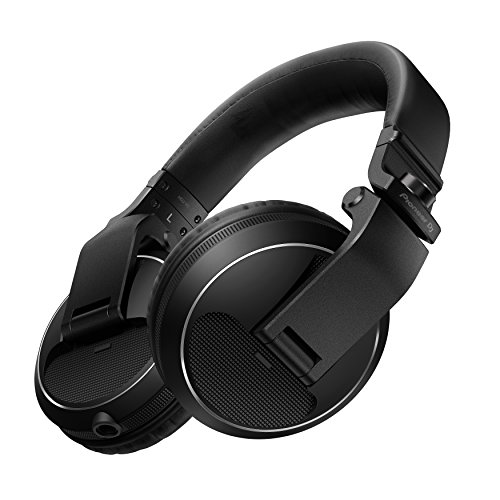
HDJ-X5 headphones use a 40mm driver to deliver loud, clear sound with solid bass and controlled high-end energy. The housing design reduces head pressure, and the outside texture improves grip, making them comfortable for extended use in both studio and live settings.
Best for: Professionals who need dependable studio monitoring and road-ready durability in a single unit. They are a solid mid-to-upper tier option for those who want a balance of performance and resilience.
Limitation: Some users may prefer deeper bass or lighter weight; these are tuned for balanced clarity more than enhanced bass emphasis.
PUPGSIS Wired Studio Monitor Headphones

The PUPGSIS monitor headphones feature large 50mm drivers and a 20Hz–20kHz frequency range, offering robust bass, clear mids, and detailed treble. They support 1/4″ to 3.5mm connections for versatile studio use, including recording, mixing, podcasts, and instrument work.
Best for: Teams or solo creators needing a high-quality monitoring pair with easy sharing or dual-device compatibility, useful for podcasts and collaborative sessions. The dual-port design helps with balance and session flow.
Limitation: Some listeners might notice flatter high-end emphasis compared to premium, boutique models; these are designed for solid, dependable monitoring rather than ultra-analytic treble.
OneOdio A71 Hi-Res Studio Headphones

The OneOdio A71 provides a high-resolution listening experience with 40mm drivers and a foldable, durable design. The headphones emphasize comfort for all-day wear with soft padding and an adjustable headband, and they include a long coiled cord for easy connection to amps, computers, keyboards, and more.
Best for: Studio professionals who value comfort and single-ear monitoring options, plus the flexibility of multiple plug sizes. Choose this if you need portable monitoring gear for travel or small studios.
Caution: The foldable design, while portable, can generate some perceived bulk when stored in compact bags; ensure adequate case space for transport.
OneOdio A71D Wired Over-Ear Headphones

OneOdio A71D headphones offer a studio-focused monitoring experience with 40mm drivers and a 90° swiveling ear cup for single-ear monitoring. The foldable design and comfortable padding support long sessions in both studio and live environments.
Best for: DJs and producers who favor easy single-ear monitoring, portability, and a compact, foldable design for traveling studios. Choose this if you need reliable monitoring in a mobile workflow.
Limitation: On some tracks, tight bass handling may vary; these are solid performers but not tuned for extreme bass supremacy.
Buying Guide: How to Choose Quality DJ Headphones
What matters most for monitoring accuracy?
Look for headphones with a flat or balanced frequency response that preserves detail across lows, mids, and highs. Large drivers (40–50mm) often deliver deeper bass and clearer highs, but tuning matters more than driver size alone.
Do you need single-ear monitoring?
Single-ear monitoring is helpful in DJ booths, live remixing, and crowded studios. Choose headphones with a swiveling ear cup (90°) and a comfortable, adjustable headband to minimize fatigue during long sessions.
How important is comfort and weight?
For long listening or mixing sessions, comfort matters more than anything. Prioritize soft, breathable ear cushions and an adjustable headband. If you travel often, consider foldable designs and lighter weights for portability.
What about connectivity and compatibility?
Most DJ headphones offer 1/4″ and 3.5mm plugs or detachable cables. A coiled or extendable cord can help with flexibility in studios. Ensure your chosen model matches your equipment, such as mixers, audio interfaces, or amps.
Durability and build quality?
Durable headbands, reinforced hinges, and rugged ear cups extend lifespan in busy booths and touring environments. Metal sliders and reinforced housings are signs of better resilience in professional contexts.
Should you consider budget versus premium?
Budget models can deliver solid monitoring results for home studios or hobbyist use. Premium options offer more precise tuning, better construction, and longer-term comfort, which can justify the higher price for frequent use in professional settings.
What about shared listening or podcast work?
Headphones with dual-port connectivity or share ports are helpful for co-hosts and recording sessions. These features reduce tangling and simplify quick handoffs between speakers or performers.
Open-back vs closed-back?
Closed-back headphones are common for DJing and monitoring in noisy environments due to better isolation. Open-back models provide a more natural, wider soundstage ideal for critical listening in quiet rooms; choose based on your environment.
Care and maintenance?
Avoid moisture and harsh cleaning agents. Wipe the cushions periodically and store headphones in a protective case to prevent padding deterioration and hinge loosening.
Practical quick-reference checklist
- Driver size and type
- Weight and clamp pressure
- Ear-cup shape and padding
- Connection options
- Swivel/downfold capability
- Build materials and warranty terms
FAQ
- What are the best DJ headphones for long mixing sessions? Answer: Models with soft padding, adjustable headbands, and swivel cups—like the OneOdio and Pioneer DJ options—offer comfort for extended use.
- Should DJs prioritize bass or overall balance? Answer: A balanced response helps accurate mixing and monitoring; prioritize headphones with clear mids and highs alongside solid bass.
- Are foldable headphones good for travel? Answer: Yes, foldable designs improve portability, but ensure the case protects the ear cups and hinges during transport.
- Is single-ear monitoring necessary for all DJs? Answer: Not always, but it’s highly beneficial in booth setups and live remixing where you need to hear the mix while cueing.
- What connects to most DJ gear? Answer: Many headphones support 1/4″ and 3.5mm plugs or come with detachable cables, enabling wide compatibility with mixers and interfaces.
- Do I need premium headphones for podcasting? Answer: For podcasting, accurate monitoring and comfort are key; many mid-range models deliver sufficient clarity and comfort without premium pricing.