Choosing the right microphone can dramatically affect vocal clarity, presence, and overall performance. The following selections cover wireless systems, dynamic vocal mics, and USB/XLR versatility to suit live performances, home studios, podcasters, and singers who perform on various stages. Each option delivers clear vocal detail, robust build quality, and reliable performance under different conditions.
Summary of chosen products:
| Product | Brand | Type | Highlights |
|---|---|---|---|
| JBL Wireless Two Microphone System with Dual-Channel Receiver | JBL | Wireless dual-mic system | Dual-channel, long playback, plug-and-play setup |
| Shure PGA48 Dynamic Microphone | Shure | Dynamic handheld | Cardioid pick-up, on/off switch, affordable |
| Shure SM58 Pro XLR Dynamic Microphone | Shure | Dynamic handheld | Vocal-friendly, industry standard, warm sound |
| Sennheiser Pro Audio E 835-S Dynamic Cardioid | Sennheiser | Dynamic handheld | Effective feedback rejection, presence boost |
| MAONO HD300T USB/XLR Podcast Dynamic Microphone | MAONO | Dynamic handheld with USB/XLR | Dual-mode output, monitoring, versatile |
JBL Wireless Two Microphone System
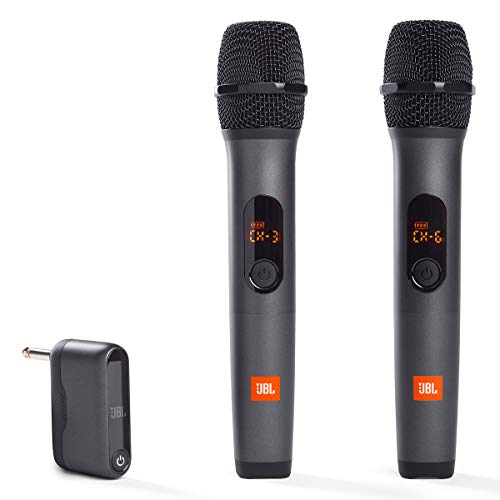
The JBL Wireless Two Microphone System features a dual-channel UHF receiver that supports two handheld mics, enabling seamless two-voice mixing through a single speaker setup. Its high vocal quality is designed for clear, undistorted sound with JBL Original Pro Sound. The system emphasizes plug-and-play simplicity: turn on the receiver and microphones, and the system is ready to perform, making it suitable for small venues, churches, or rehearsal spaces. The rechargeable dual-channel receiver provides up to six hours of playback, offering flexibility for longer performances or events without frequent recharging.
Key features include: high vocal quality with JBL Original Pro Sound, a rechargeable dual-channel UHF receiver, and an easy plug-and-play setup. This system is ideal for duets, karaoke events, and small performances where two voices need to be balanced in real time.
Shure PGA48 Dynamic Microphone

The PGA48-XLR is a dynamic handheld microphone with a cardioid polar pattern that emphasizes the voice while rejecting much of the ambient stage noise and feedback. It includes a 3-pin XLR connector, an On/Off switch, and a bundled 15-foot XLR-to-XLR cable with a stand adapter and zipper pouch. This mic is well-suited for vocal performances, speeches, and presentations, delivering clear sound with practical control for beginner to intermediate performers who need reliable performance at an affordable price.
Its notable strengths are sound isolation due to cardioid pickup, high gain before feedback, and a straightforward, durable design. It’s a strong choice for live performances in clubs, small venues, or school events where consistency and ease of use are priorities.
Shure SM58 Pro XLR Dynamic Microphone

The SM58 Pro XLR is a legendary dynamic microphone designed for vocal performance both on stage and in studio settings. Its cardioid pattern helps isolate vocals from background noise, producing a warm, present, and natural vocal reproduction. The SM58 is known for durability and reliability, making it a go-to choice for touring artists and venues that demand consistent, dependable sound. Its presence boost helps vocals cut through the mix while maintaining a comfortable listening profile for listeners.
With a reputation as an industry standard, the SM58 is a versatile microphone suitable for clubs, theaters, churches, and home studios. The mic is built to handle high sound pressure levels and rough handling without sacrificing vocal quality.
Sennheiser Pro E 835-S Dynamic Cardioid
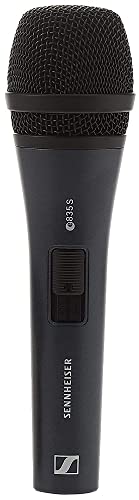
The E 835-S uses a cardioid pickup pattern for effective signal isolation and feedback rejection, enabling performers to work at higher sound pressure levels. Its balanced frequency response maintains signal quality whether the performer moves on or off axis, while a gentle presence boost enhances vocal clarity and projection. This microphone suits lead vocals, choruses, and spoken-word performances where consistent vocal quality is needed across different positions on stage.
Designed for reliable stage and studio use, the E 835-S provides robust performance with a straightforward handheld design, making it a solid option for venues, schools, and independent artists seeking a professional-sounding vocal microphone without complexity.
MAONO HD300T USB/XLR Podcast Dynamic Microphone

The HD300T from MAONO combines USB and XLR outputs in a single dynamic microphone, offering dual-mode versatility for both computer-based recording and traditional mixer setups. It includes a volume control, shock mount, pop filter, and a dedicated head- and monitoring-oriented design for vocal applications, streaming, podcasts, and singing. The cardioid dynamic capsule reduces background noise from the sides and rear, helping to deliver focused vocal clarity with a smooth, extended frequency response.
Recommended for podcasters, home studios, and live sessions where flexible connectivity matters. The integrated monitoring capability and straightforward controls support easy setup for users across skill levels, from beginners to intermediate performers.
Buying Guide: Key Considerations for Choosing a Singing Microphone
- Microphone type and application: Dynamic mics handle loud stages and feedback-prone environments well, while condenser mics offer brighter, more sensitive sound suited for studio use. USB/XLR combinations provide flexibility for computer recording and live sound.
- Pickup pattern: Cardioid patterns help isolate the voice and reduce noise from the sides and rear. Supercardioid and hypercardioid variants offer tighter rejection but require careful mic placement.
- Sound quality vs. durability: For touring or frequent handling, prioritize robust build quality and a sound signature that flatters the human voice in live settings.
- Connectivity: USB mics are convenient for immediate computer use, while XLR mics typically connect to mixers, audio interfaces, or PA systems for greater control and professional-grade results.
- Accessories and extras: Built-in switches, shock mounts, pop filters, and cables add value by reducing noise and simplifying setup. Consider whether a bundled kit meets your needs.
- Budget and scalability: If you anticipate scaling up performances or adding more mics, a dual-mic wireless system or a reliable dynamic mic lineup can offer better long-term value than single-entry mics.
- Environment and usage scenario: For churches, schools, clubs, or rehearsal studios, choose a mic that delivers clear voice reproduction with minimal feedback across diverse acoustic spaces.
When selecting a mic for singing, weigh the balance between sound quality, reliability, and ease of use. For stage-heavy environments, dynamic mics and wireless systems with solid grip on feedback control are often advantageous. For home studios or streaming, USB/XLR dual-mode mics provide flexible options without sacrificing vocal clarity. The listed options cover a range of usage patterns to help American singers and professionals find a dependable tool for performances and recordings.