When choosing a printer for heat transfer projects, evaluating ink systems, print quality, and versatility matters. Below are five printers well-suited for dye-sublimation transfers, along with a quick buying guide to help you compare key features and decide which model fits your needs.
| Product | Brand | Key Benefit | Inks Included |
|---|---|---|---|
| Epson EcoTank ET-2800 (White) | Epson | Cartridge-free printing with high-capacity ink tanks | EcoTank bottles included |
| Epson EcoTank ET-2800 (Black) | Epson | Low-cost replacement ink, wide page counts | EcoTank bottles included |
| Brother Sublimation Printer | Brother | App-assisted sublimation design workflow | Requires sublimation ink purchase |
| Epson SureColor F170 Dye-Sublimation Printer | Johnson Plastics Plus | PrecisionCore for sharp, vibrant transfers | Full OEM sublimation ink set included |
The following sections spotlight five products most aligned with heat transfer and sublimation workflows, focusing on ink systems, ease of use, and overall transfer quality for home and small business use.
Product Reviews
Epson EcoTank ET-2800 White: Cartridge-Free Convenience

The Epson EcoTank ET-2800 is designed around cartridge-free printing with refillable ink tanks. While primarily positioned as a general-purpose color printer, its EcoFit ink bottles and large ink capacities support high-volume output, which can be beneficial for producing heat transfer designs in batches. The printer emphasizes reduced operating costs by delivering up to 90% savings on replacement ink compared with cartridge-based models, with the potential to print thousands of pages depending on usage. It includes features like wireless printing and scanning, positioning it as a convenient, budget-conscious option for hobbyists venturing into sublimation basics. For heat transfer projects, ensure you use appropriate sublimation inks and transfer media in line with safety guidelines.
Epson EcoTank ET-2800 Black: All‑In‑One With EcoTank Savings

Like its white counterpart, this model emphasizes cartridge-free operation and a simplified refill experience. It uses Micro Piezo Heat-Free technology for reliable color and detail, and it can handle the demands of printing multiple transfer designs. The replacement ink savings, when used with compatible sublimation inks, can help keep costs manageable on larger production runs. It’s a practical choice for crafters who want to expand into surface designs without frequent cartridge changes, while maintaining overall print quality for textile and hard-surface projects.
HP DeskJet 2827e: AI-Enhanced Home Printer
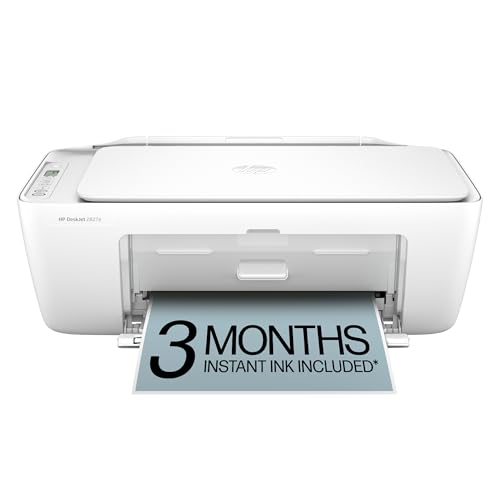
The HP DeskJet 2827e brings AI-assisted printing to home offices, aiming for accurately formatted documents and clean layouts. While it is not a dedicated sublimation device, it can support heat transfer projects when paired with compatible sublimation inks and media. It offers wireless printing, color copying, and scanning, with a 60-sheet input tray—features that can help manage small batch orders and personal projects efficiently. For heat transfer workflows, consider this model for non-fabric transfer tasks and basic mockups.
Brother Sublimation Printer: Design-to-Print Flexibility

The Brother Sublimation Printer focuses on a sublimation-centric workflow with integration to the Artspira app. It enables import and saving of designs, access to sublimation patterns, and conversion of images into transfer-ready formats. While heat transfer success depends on using compatible sublimation inks and transfer papers, this model emphasizes creative control and on-the-go design capability, which can be valuable for custom apparel and small-scale print projects. Note that heat pressing and additional equipment may be required to finalize transfers.
Epson SureColor F170 Dye-Sublimation Printer

The Epson SureColor F170 is a dedicated dye-sublimation printer built for vibrant, high-contrast transfers. It ships with a full set of OEM sublimation inks and includes a user guide and power accessories, ensuring a complete sublimation workflow. PrecisionCore technology delivers sharp details for textiles and hard surfaces alike, with a dust-resistant closed tray design to minimize media prep. This model is purpose-built for sublimation, making it a strong choice for serious heat transfer projects that demand consistent color reproduction.
Epson SureColor F170 Dye-Sublimation Printer (Second Listing)

This listing reiterates the capabilities of Epson’s dye-sublimation line with emphasis on OEM ink quality, a comprehensive starter kit, and a robust media compatibility set. It highlights the same core strengths: precision ink control, vibrant color output, and an auto-feed tray for efficiency. For buyers prioritizing durable, professional-grade sublimation results, this model is a strong option to consider alongside other sublimation-focused devices.
Buying Guide: Key Considerations For Heat Transfer Printers
- Ink system: For heat transfer and sublimation, printers that come with or support dye-sublimation inks will generally yield better color fidelity and longevity on textiles and coated surfaces. Consider whether the unit includes ink or requires separate ink purchases.
- Print quality and technology: Look for advanced print heads and color management features. PrecisionCore and Micro Piezo technologies commonly provide sharper details and richer color saturation, which are critical for transfers.
- Paper and media compatibility: Ensure the printer handles sublimation paper, heat transfer vinyl, and coated substrates you plan to use. Some printers are optimized for textiles, mugs, and hard surfaces, while others are more general-purpose.
- Cost of ownership: Cartridge-free and bulk-ink systems can reduce per-page costs, especially for batches of transfers. Compare replacement ink costs and yield across models.
- Workflow support: If you create designs digitally, apps and design software compatibility can streamline production. App ecosystems like Artspira can simplify design-to-transfer steps for sublimation projects.
- Size and footprint: Home setups often require compact machines. Consider the printer’s dimensions, auto-feed capabilities, and ease of maintenance for smaller spaces.
- Professional vs. hobby use: For frequent, high-volume transfers, a dedicated sublimation printer with bundled inks may offer more consistent results. For occasional projects, a versatile all-in-one with compatible inks may suffice.
- Safety and compliance: When using sublimation inks and transfer media, follow safety guidelines for heat presses and curing times. Use protective gear and work in a well-ventilated area.
Choosing the right printer for heat transfer projects depends on how you balance cost, print quality, and production needs. The included sublimation-focused options are designed to deliver vibrant transfers with consistent results, while general-purpose printers can work for starter projects when used with appropriate sublimation inks and media. Evaluate your typical project size, whether you need bulk output, and how much you value built-in ink savings when making your selection.