Choosing the right preamp audio interface can dramatically improve voice and instrument recordings. This guide highlights five reliable options, focusing on mic preamp quality, input versatility, and overall studio fidelity. Each product below links to an Amazon listing and includes key features to help you compare at a glance.
| Product | Brand | Key Strength |
|---|---|---|
| Scarlett Solo 3rd Gen USB Audio Interface | Focusrite | Bright preamps, Air mode, 24-bit/192kHz |
| M-Audio M-Track Solo USB Audio Interface | M-AUDIO | Compact, 48kHz focus, multiple outputs |
| Scarlett Solo 4th Gen USB Audio Interface | Focusrite | Improved Air mode, high dynamic range |
| MAONO PS22 Lite USB Audio Interface | MAONO | High-resolution 24-bit/192kHz, robust inputs |
| Scarlett 2i2 4th Gen USB Audio Interface | Focusrite | Two input versatility, studio-grade converters |
What to expect: these interfaces emphasize clean mic preamps, low latency monitoring, and easy integration with recording software. The list includes compact options for solo creators and two-input designs for simple, productive home studios. Review the features below to find the best match for your voice, guitar, or podcasts.
Focusrite Scarlett Solo 3rd Gen

The Scarlett Solo 3rd Gen delivers pro preamps with bright capture and expanded headroom. Air mode adds presence to acoustic instruments and voice, enhancing clarity. It features two high-headroom instrument inputs for guitar or bass and Gain Halos to prevent clipping. With 24-bit/192kHz converters, it records studio-quality sound suitable for music, podcasts, and streaming. This model emphasizes straightforward operation and reliable performance for solo performers and small studios.
M-Audio M-Track Solo USB Audio Interface
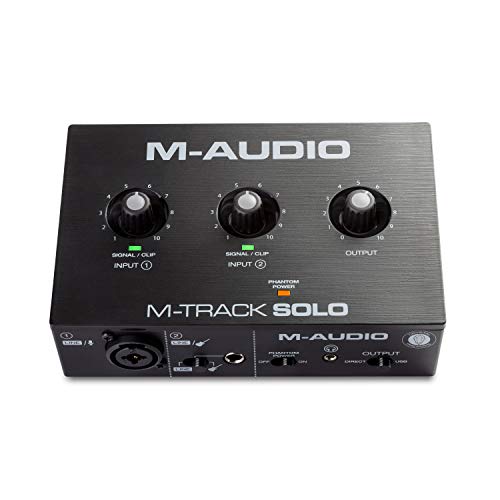
The M-Audio M-Track Solo focuses on essential recording needs with a single XLR/1/4″ combo input and a separate instrument input. It supports 48kHz resolution for clear, usable recordings and offers a straightforward monitoring path with a dedicated headphone output and stereo outputs. Its compact form makes it suitable for travelers or small home studios who want dependable performance without extra complexity.
Focusrite Scarlett Solo 4th Gen

The Scarlett Solo 4th Gen brings a refined mic preamp stage and enhanced Air mode to push vocals and guitars forward in the mix. It maintains a high dynamic range, ensuring clean recordings across a range of voices and instruments. The interface emphasizes studio-grade conversion and improved gain staging, making it a solid choice for artists who want professional sound in a compact format.
MAONO PS22 Lite USB Audio Interface

The MAONO PS22 Lite provides 24-bit/192kHz recording with a generous dynamic range for clear captures. It includes dual preamps with phantom power (up to 48V) for condenser mics and multiple input types to accommodate guitars, vocals, and line-level devices. Its driver options and simple routing support easy setup for recording, streaming, and podcasting, appealing to hobbyists and semi-professional creators alike.
Focusrite Scarlett 2i2 4th Gen

The Scarlett 2i2 4th Gen offers dual inputs with high-quality mic preamps and versatile instrument connections. It features a high dynamic range and Clip Safe technology to avoid distortion, plus comprehensive software bundles for recording, editing, and mixing. Its compact, durable build makes it ideal for desktop studios and portable setups requiring reliable performance and compatibility with major DAWs.
Buying Guide: Key Purchase Considerations
Preamp quality matters most when recording vocals or acoustic instruments. Look for a preamp that provides clean gain with minimal noise and enough headroom to avoid clipping. Quick-access monitoring with low latency is essential for real-time performance and tracking. Consider the following perspectives:
- Input count and type: Solo interfaces are compact and affordable; two-input models support stereo recording or dual-channel takes. XLR inputs handle microphones; instrument inputs accommodate guitars and basses.
- Preamp features: Air mode or similar circuits can brighten recordings without harsh EQ. Gain halos or metering help you set levels consistently across takes.
- Resolution and dynamics: 24-bit/192kHz offers broad dynamic range for pristine captures, though most home setups won’t require the highest spec for basic content.
- Monitoring and latency: Direct monitoring or zero-latency options prevent feedback loops during live takes. Headphone outputs should be adequate for solo creators.
- Software bundle and integration: Some interfaces ship with DAW software, plugins, or driver packages. Ensure compatibility with your computer OS and preferred DAW.
- Portability and build: Compact USB interfaces are easy to transport; metal chassis and sturdy knobs help with long-term durability.
- Future-proofing: If you plan to expand, choose a model with room to grow (e.g., two inputs, DSP effects, or better preamps) without replacing the system.
In evaluating these options, consider your primary use: solo vocal/guitar recording, podcasting, or streaming. If you need the simplest path to good sound, a two-input model with reliable preamps and solid converters is typically sufficient. For multi-instrument setups or future expansion, a larger two-input or budget-friendly two-channel option from a trusted brand can offer greater long-term value.