Portable ECG machines offer convenient, at-home heart rhythm tracking with clinical-grade options. This guide highlights five top devices, spanning multi-lead performance to compact, single-lead usability. Each product includes key features to help you compare ease of use, connectivity, and data sharing capabilities. Use the buying guide at the end to weigh considerations like accuracy, data storage, and device compatibility with your smartphone or computer.
| Product | Lead Count | Connectivity | Notes |
|---|---|---|---|
| EMAY 6L Portable ECG Monitor | 6 | Bluetooth, USB | Home health, no subscription |
| KardiaMobile 6L EKG Monitor | 6 | Bluetooth | FDA-cleared, unlimited recordings |
| EMAY Portable ECG Monitor | 1 | Bluetooth, USB | Compact home use |
| KardiaMobile 1-Lead EKG Monitor | 1 | Bluetooth | Pocket-sized, no subscription needed |
| Monerr Portable ECG Monitor | Lead I | Bluetooth, USB | Unlimited data storage, no subscription |
These selections emphasize portability, data sharing, and compatibility with smartphones, tablets, or PCs. The list excludes professional-grade, hospital-only systems, focusing on consumer-friendly options suitable for home monitoring and caregiver support.
EMAY 6L Portable ECG Monitor

The EMAY 6L records and stores ECG signals while displaying heart rate for home health care. It operates without subscriptions or hidden costs and can connect to a PC via USB or to a mobile phone via Bluetooth. Software on PC and mobile offers sample mode, time settings, case upload, case review, and measurement capabilities, providing a versatile home monitoring setup for users seeking multi-lead insights without recurring fees.
KardiaMobile 6L EKG Monitor
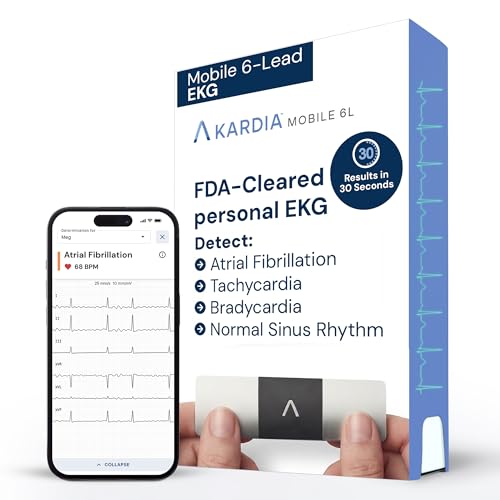
FDA-cleared medical-grade EKG with six views of the heart in about 30 seconds. KardiaMobile 6L provides six-lead data, more than single-lead devices, enabling more detailed rhythm analysis. It supports unlimited recordings with easy sharing via email through the free Kardia app. It is compatible with most smartphones and tablets via Bluetooth and does not require a subscription for core EKG functionality, with optional KardiaCare for advanced detections and professional reviews.
EMAY Portable ECG Monitor
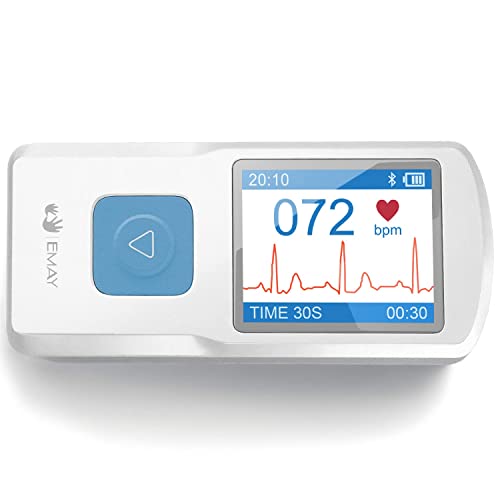
This EMAY monitor records Lead I ECG signals and displays heart rate for home health care. It supports USB connections to a PC and Bluetooth to a mobile phone, with PC and mobile software offering sample mode, time settings, case uploads, and review features. It provides a compact, accessible option for users prioritizing a straightforward single-lead ECG experience for routine checks.
KardiaMobile 1-Lead EKG Monitor

Compact, pocket-sized heart monitor providing a single-lead EKG in about 30 seconds. The device pairs with the free Kardia app for iOS or Android and supports unlimited recordings. Results indicate Normal Sinus Rhythm or irregularities like AFib, with easy email sharing to clinicians. A KardiaCare subscription adds advanced detections, reviews, and more, but the core monitoring works without ongoing fees.
Monerr Portable ECG Monitor

The Monerr device is designed for Lead I ECG recordings with home health display of heart rate data. It uses Bluetooth to connect to mobile apps on iOS and Android for unlimited data storage and sharing with healthcare providers, with no required subscription. It also notes that the device is intended for adults and is not a hospital-grade diagnostic tool, emphasizing practical home monitoring and proactive health management.
Buying Guide
- Number of leads and clinical utility: Multi-lead devices (like 6-lead or 12-lead options) provide richer rhythm information than single-lead systems, aiding detection of complex arrhythmias.
- Connectivity and data sharing: Bluetooth compatibility with smartphones and PCs is common. Check whether unlimited recordings are included or require a subscription, and whether data can be emailed or exported for clinician review.
- Ease of use and portability: Pocket-sized units are ideal for on-the-go monitoring, while larger units may offer more screen real estate for viewing results and settings.
- App ecosystem and platform support: Confirm compatibility with iOS and Android, and whether a companion app supports case reviews, time stamps, and case uploads for medical records.
- Diagnostics and accuracy notes: FDA-cleared devices generally offer higher credibility for personal use, while some products emphasize home monitoring rather than clinical diagnosis. Be aware of the intended use and any caveats about substituting professional medical evaluation.
- Storage and subscription model: Some devices store unlimited recordings locally or in the cloud, with optional premium services. Consider your data retention needs and whether you prefer one-time purchases without ongoing costs.
- Battery life and power options: Built-in rechargeable batteries and USB charging influence portability and daily-use practicality for continuous monitoring or travel.
- Intended user and guidance: Some devices target general wellness use, while others are designed for seniors, caregivers, or proactive health monitoring. Ensure the device aligns with the user’s health goals and physician guidance.
- Privacy and data security: Review how personal health data is stored, shared, and protected, especially when transmitting sensitive ECG information via mobile apps or cloud services.