In today’s fast-paced world, a reliable portable document scanner can turn piles of paperwork into searchable digital files anywhere you work. The following picks emphasize speed, portability, and compatibility with Windows and Mac systems, making them ideal for commuters, remote workers, students, and small offices. Below, you’ll find concise product highlights, practical use cases, and a buying guide to help you choose the right model for your needs.
| Product | Brand | Key Benefit |
|---|---|---|
| Epson WorkForce ES-50 | Epson | Ultra-light, fast single-page scanning |
| Brother DS-640 | Brother | Compact, versatile with multiple scan destinations |
| Canon imageFORMULA R10 | Canon | USB-powered, duplex scanning, mobile-friendly |
| HP Small USB Scanner (HPPS100) | HP | On-the-go simplex scanning with broad compatibility |
| Doxie Go SE | Doxie | Battery-powered, independent scanning |
Epson WorkForce ES-50 Portable Scanner

The Epson ES-50 is designed for ultra-portability with a compact form factor and fast single-page scans. It supports Windows and Mac, includes a TWAIN driver for easy integration with many software suites, and handles a range of documents up to 8.5 x 72 inches, as well as ID cards and receipts. On-the-go users benefit from a lightweight design that still delivers quick 5.5-second scans for a single page, helping to digitize documents efficiently during travel or in small offices.
Brother DS-640 Compact Mobile Document Scanner

The DS-640 prioritizes speed and portability, delivering up to 16 pages per minute for color and black-and-white documents at 300 dpi. Its micro USB 3.0 power option makes it easy to scan from virtually anywhere, ideal for mobile professionals. The bundled software supports multiple “Scan-to” destinations such as File, Image, OCR, Email, and cloud services, helping keep workflows smooth when you’re away from a full office setup. Compatibility and driver availability ensure broad usability across devices.
Canon imageFORMULA R10 Portable Scanner
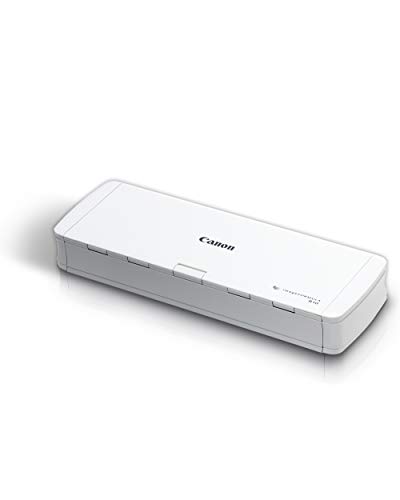
The Canon R10 emphasizes portability with USB-powered operation and duplex scanning, making it suitable for mobile users who need efficient two-sided PDF and image outputs. It supports various media types and provides an energy-conscious profile, consuming only about 2.5W in typical use. The device targets everyday office tasks like invoices, contracts, and receipts, enabling easy organization in digital formats while keeping a low footprint for travel-friendly setups.
HP Small USB Document & Photo Scanner (HPPS100)

HP’s HPPS100 focuses on simple, simplex scanning with a compact profile that fits well in tight spaces. It offers a robust 15 pages per minute speed for small to medium batches and ensures broad compatibility with Windows and Mac devices. The scanner accommodates a wide paper size range and converts scans into common formats like PDF and JPEG, supporting quick digitization of everyday documents, photos, and receipts for personal or small office use.
Doxie Go SE Portable Document Scanner
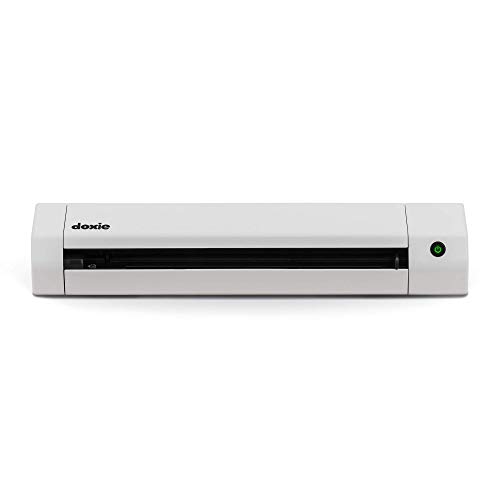
The Doxie Go SE pairs portable scanning with a rechargeable battery and internal memory, enabling truly independent operation without a computer. It scans full-color pages in about 8 seconds at 600 dpi and can store thousands of pages before syncing. The device is intentionally compact, making it easy to carry, with a focus on simplicity and reliability for travelers or home offices seeking a self-contained scanning solution.
Buying Guide: Key Purchase Considerations
- Scanning speed and duplex capability: For large batches, prioritize models that offer higher pages-per-minute and duplex scanning to save time and reduce handling.
- Power options: USB-powered units are convenient, but battery-powered handheld or portable models offer true on-the-go usability without a power source.
- Paper handling and size support: Consider document sizes you routinely scan (receipts, ID cards, legal documents) and whether you need flexible paper feeders or wand-style scanning for photos and cards.
- Software compatibility: Look for TWAIN or similar drivers and compatibility with Windows and Mac, plus easy export formats (PDF, JPEG) and OCR capabilities if you need searchable text.
- Portability and form factor: If you travel often or have limited desk space, a compact, lightweight scanner with a small footprint will be most practical.
- Storage and data transfer: Evaluate built-in memory, card storage options, and whether the device supports cloud destinations directly or requires a PC/Mac intermediary.
- Durability and battery life: Battery-powered scanners should offer enough pages per charge for typical trips; check build quality and service life for frequent use.
- Price-to-value balance: Compare entry-level portable scanners with feature-rich options to determine which model best meets your volume, speed, and portability needs.
Each model above targets different priorities—speed, portability, or independence from a computer. When selecting a portable scanner, align your choice with how much you scan weekly, where you scan, and how you prefer to manage digital documents. The options listed provide a spectrum of capabilities to accommodate home, office, student, and remote-work scenarios.