Choosing a pc drawing pad that feels natural and responsive can elevate every sketch, design, or classroom lesson. This guide highlights five reliable options that balance pen accuracy, ease-of-use, and compatibility with Windows, Mac, and Android. Each pick includes core features to help you compare at a glance and find the right fit for your workflow.
| Product | Brand | Active Area | Pen Type | Key Features |
|---|---|---|---|---|
| XPPen Deco 01 V3 Drawing Tablet | XP-Pen | 10×6 Inches | Battery-Free Stylus | 16,384 levels, 8 express keys, Android compatibility |
| Wacom Intuos Small | Wacom | Small Active Area | Battery-Free EMR | 4 ExpressKeys, cross-platform software compatibility |
| Drawing Tablet XPPen StarG640 | XP-Pen | 6×4 Inches | Battery-Free Stylus | Compact, ideal for education and travel |
| HUION Inspiroy H640P | HUION | 6×4 Inches | Battery-Free Stylus | 6 hot keys, lightweight and portable |
| UGEE M708 | UGEE | 10×6 Inches | Passive Stylus | Large drawing space, 16,384 levels, broad OS support |
The following sections outline each product with a quick, clickable entry and a concise feature rundown. Each section stays below 250 words to help you compare efficiently.
XPPen Deco 01 V3 Drawing Tablet

The Deco 01 V3 from XP-Pen delivers a large drawing surface in a compact form factor, paired with a battery-free stylus. The tablet supports up to 16,384 levels of pressure sensitivity and up to 60 degrees of tilt, enabling smooth shading and natural line variation. Eight customizable shortcuts accommodate both right- and left-handed users, which can streamline common actions in painting, illustration, or teaching contexts. Android compatibility extends its usefulness to phones and tablets running version 10.0 or higher, with XPPen Tools supporting accurate mapping across screen aspect ratios. This configuration makes it a strong choice for students, hobbyists, and professionals who value lightweight portability without sacrificing pen accuracy.
Key considerations: The Deco 01 V3 is best when you want a pen-on-paper feel with a sizable active area and simple enough software hooks for beginners. It may be less ideal for users who require a dedicated screen, as this is a tablet without a display. Its Android compatibility also helps when you want to extend drawing tasks beyond a PC.
Wacom Intuos Small Graphics Tablet
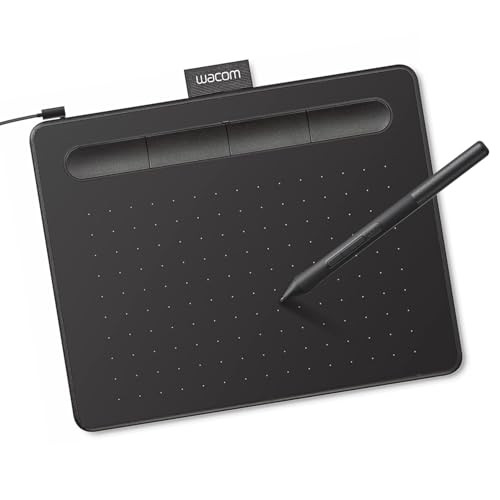
Wacom’s Intuos Small stands out for professional-grade reliability and broad software compatibility. It uses EMR battery-free technology that offers a pen-on-paper feel, with four ExpressKeys to tailor shortcuts for common tasks across software suites. The tablet is designed to work seamlessly with Mac, Windows, Chromebook, and Android ecosystems, which makes it a popular choice for students, designers, and educators who require consistent behavior across devices. Wacom’s long-standing reputation in the field can be a decisive factor for buyers who want a trusted, widely-supported option with strong entry-level performance.
Key considerations: If you want a compact, rugged tablet with proven performance and a broad software ecosystem, this is a solid pick. It balances cost with professional-grade input without the need for rechargeable pens, and the ExpressKeys can be highly beneficial for workflow efficiency.
Drawing Tablet XPPen StarG640
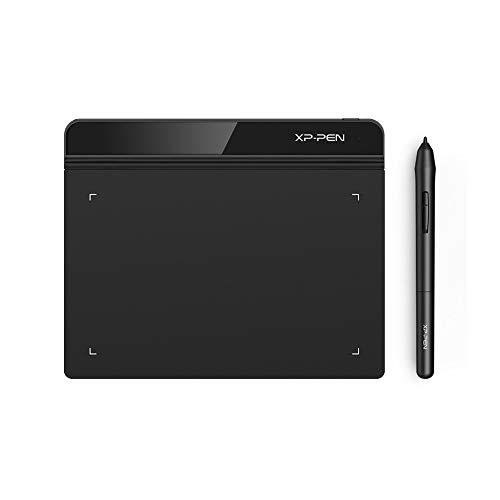
The StarG640 is a compact, battery-free drawing tablet that emphasizes portability without sacrificing basic drawing capability. The absence of a charging requirement reduces maintenance and downtime, allowing users to focus on creating. It’s well-suited for online education, digital sketching, and quick sign-offs or annotations in Microsoft Office or collaboration tools. The tablet’s slim profile makes it easy to slip into a bag for class or travel, while still offering a responsive drawing surface for everyday tasks.
Key considerations: If your priority is a travel-friendly option with reliable pen performance, the StarG640 delivers. It’s especially attractive for students and remote workers who need a lightweight, plug-and-play device without extra batteries.
HUION Inspiroy H640P

The Inspiroy H640P blends a compact 6×4 inch drawing area with a battery-free PW100 stylus offering 8192 levels of pressure. It includes six hot keys to accelerate common actions and a slim, portable design. The H640P emphasizes a natural drawing experience with a light, precise pen and straightforward driver software for shortcut customization. Its balance of portability, affordability, and performance makes it a staple for beginners, students, and occasional designers who need reliable performance without a large footprint.
Key considerations: This model shines for users who want a minimal desktop footprint without sacrificing key features like hot keys and good pen feel. It’s particularly appealing for those starting out or needing a secondary tablet for travel and teaching scenarios.
UGEE M708 10×6 Large Drawing Tablet
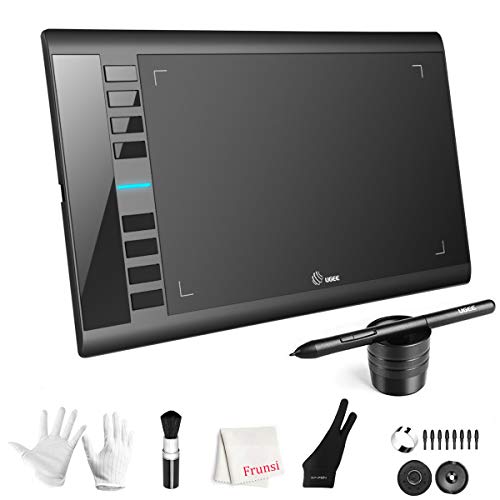
The UGEE M708 provides a generous 10 x 6 inch active drawing space paired with a 16,384-level passive stylus. Its broad compatibility across Windows, Mac, Android, and Linux environments, along with driver support for major software packages, makes it a versatile choice for artists, designers, and educators. The passive stylus delivers good pressure sensitivity for line variation and shading, while the large surface area supports more expansive sketches and layout planning. Students and professionals who want substantial space without a screen may prefer the M708 for its balance of size and affordability.
Key considerations: If you need a larger drawing surface for detailed work at a budget-friendly price, UGEE M708 offers a compelling combination of space, sensitivity, and cross-system compatibility. It’s less suited for screen-based workflows but excels as a primary input device for art and design tasks.
Buying Guide: Key Purchase Considerations And Comparisons
When selecting a pc drawing pad, consider how you plan to use it most often. Price, size, pen technology, and software compatibility should guide your decision.
- Pen Technology: Battery-free (EMR) styluses offer low maintenance but check for pressure sensitivity levels. Most mainstream tablets provide 8192 to 16,384 levels, which influence line variation and shading fidelity.
- Active Area Size: Larger surfaces enable more natural hand movement and easier multi-gesture work, but they add bulk. Small tablets are highly portable but may constrain complex projects.
- Express Keys And Shortcuts: Dedicated keys speed up workflow. Right- and left-handed users benefit from symmetrical layouts and configurable buttons.
- Compatibility: Confirm OS support (Windows, macOS, Android) and software compatibility with your preferred art programs (Photoshop, Illustrator, Clip Studio Paint, etc.).
- Display vs. Non-Display: Screen-based tablets (graphic displays) provide direct drawing on-screen but are generally more expensive. Non-display tablets require you to look at a separate monitor, which some users prefer for a pen-on-paper feel.
- Portability vs. Power: Some devices are highly portable with slim profiles; others emphasize larger drawing areas for studio use. Decide how often you’ll travel with the device and whether it’s primarily for teaching, outlining, or finishing artwork.
- Software Ecosystem: A product tied to a broader software suite or brand ecosystem (like Wacom or XP-Pen) can mean better driver support and more consistent updates over time.
- Durability and Support: Look for reputable brands with dependable warranty policies and accessible customer support, especially for students and educators who rely on specific features for coursework.