Answering the buyer’s search intent: these overdrive distortion pedals deliver a range of tube-like nature, from warm boost to heavy crunch, for electric guitars. They’re suited for players seeking dynamic touch response, studio-ready tones, or live-gig versatility. This guide highlights five widely used options, explains who each is best for, and helps you compare essential features at a glance.
| Product | Best For | Key Tone Notes | Power & Connectivity |
|---|---|---|---|
| BOSS SD-1 | Players seeking a legendary, responsive overdrive with strong stacking potential | Tube-like overdrive with dynamic edge | Standard 9V power; simple gain/tone/level controls |
| BOSS DS-1 | Fans of bold hard-edged distortion with broad tonal range | Hard attack with smooth sustain | 3 controls; reliable, classic buzz |
| LEKATO Boost Distortion | A versatile pedal with many voices for live versatility | Nine tones including boost, blues, amp, and metal options | USB-C or 9V DC; metal chassis |
| SONICAKE Overdrive Pedal | Players wanting dual-channel drama with analog warmth | Two channels, three modes per channel | Analog circuit; true bypass; compact |
| JOYO Vintage Overdrive (JF-01) | Budget-conscious players chasing classic TS808-like tone | Warmer overtones at lower gain, harsher when driven | True bypass; robust aluminum housing |
Notes: The table highlights practical distinctions to help you decide which five units fit your playing style and budget. Each listed pedal offers a distinct approach to overdrive and distortion, making it easier to tailor your rig for blues, rock, or metal contexts.
BOSS SD-1 Super Overdrive

The BOSS SD-1 is a compact overdrive with a reputation for delivering a punchy, tube-like response. It’s designed for players who want a straightforward control layout—drive, level, and tone—while still offering nuanced saturation when paired with other pedals. Best for players who need a dependable pedal that stacks well with boosts, overdrives, and distortions. A potential limitation is its saturated character at higher gain settings, which can feel compressed in some modern high-gain rigs.
BOSS DS-1 Distortion

The DS-1 Distortion is a classic benchmark pedal known for its bold, hard-edged attack and smooth sustain. It covers a wide tone range, from bright breakups to aggressive crunch. This makes it well-suited for players seeking cutting rhythms or high-gain solos without a complex setup. A consideration: at extreme settings the tone can become fizzy or harsh for some guitar and amp combinations.
JOYO Ultimate Drive JF-02

JOYO Ultimate Drive offers rich bordering-on-distortion overdrive with a compact aluminum housing. It excels for players who want a robust drive with a natural-sounding edge and a switchable high/low setting for extra bite without changing presets. Best for players who need a budget-friendly option that still provides a convincing tube-like feel. A limitation: it may not deliver the same premium touch as higher-end boutique pedals in very nuanced dynamic playing.
BOSS OS-2 Gold Overdrive/Distortion
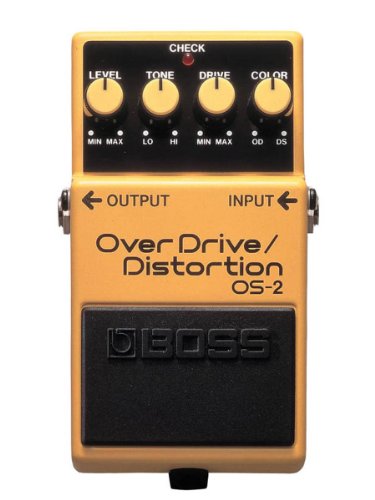
The OS-2 blends overdrive and distortion in one unit, offering flexible, studio-friendly tonal options. Its level, tone, drive, and color controls enable precise shaping of rhythm and lead sounds. It’s best for players who want a single pedal capable of switching between bluesy overdrives and heavier distortions without a tonal gap. Choose this if you value dual-mode versatility over ultra-narrow gain staging, but be aware that its large tonal envelope may require more careful knob tweaking on smaller amps.
LEKATO Boost Distortion Overdrive

LEKATO’s pedal stands out with nine tone voices and a compact, durable chassis. It provides a broad tonal palette from clean boosts to heavy distortion, suitable for gigging players who need quick tonal shifts in real time. It supports USB-C or 9V DC power for flexible power options. Best for players who want a highly versatile board partner that can cover multiple genres. Limitation: some tones may require careful EQ to sit well in a dense mix.
SONICAKE Overdrive Pedal Dual Channel

SONICAKE’s dual-channel design offers overdrive, boost, and distortion modes per channel, enabling stacked or separate tones with true bypass. This layout is beneficial for players who want a broad texture range, from bluesy bends to heavy riffs, without swapping pedals. The analog warmth helps preserve guitar dynamics, though the dual-channel setup may require more board real estate. Best for players seeking layered tonal possibilities in a compact package.
JOYO Vintage Overdrive JF-01
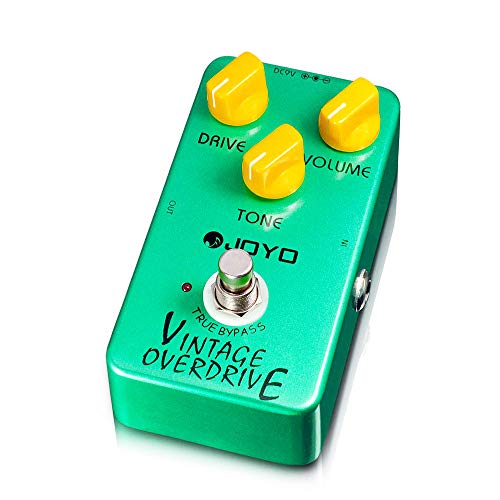
JOYO’s JF-01 aims to reproduce classic TS808-like tones with a warm, musical output. It emphasizes warmer overtones at lower gain and can push into richer distortion as gain increases. True bypass ensures transparent tone when off. It’s a solid choice for budget-conscious players seeking a familiar vintage vibe without complexity. A limitation: may lack the modern high-gain headroom some players require for aggressive modern styles.
Buying Guide
What should you consider when choosing an overdrive distortion pedal?
- Tonality preference: Do you want clean boost with mild grit, or a saturated, crunchy distortion? Pedals like the BOSS SD-1 excel at tube-like overdrive, while the DS-1 offers bold edge for cutting riffs.
- Voice versatility: If you need multiple tones in one box, consider LEKATO’s nine-tone options or SONICAKE’s dual-channel approach for layered sounds.
- Power and portability: USB-C or 9V options enhance gig flexibility. True bypass helps maintain your tone when the pedal is off.
- Build and reliability: Aluminum housings and sturdy jacks matter for road use. Budget pedals can still deliver dependable feel when used within reasonable gain ranges.
- Stage vs studio: For live rigs, a compact, low-noise pedal with clear gain control is critical. In studio setups, tone shaping controls and a broader dynamics range can be more valuable.
Frequently Asked Questions
- What’s the difference between overdrive and distortion?
- Which pedal is best for blues players?
- Can I stack an overdrive with a distortion pedal?
- Is true bypass important?
- Do multi-tone pedals replace multiple pedals?
- What should I consider for live gear?
Overdrive typically produces a warm, natural breakup at lower gain, while distortion delivers a harder, more saturated tone with more sustain and bite.
Overdrives with warm, responsive gain and dynamic touch, such as the BOSS SD-1 or JOYO JF-01, are well-suited for blues phrasing.
Yes. Overdrives are designed to stack with boosts, overdrives, and distortions to push the amp further, creating more tonal variety.
True bypass minimizes tone loss when the pedal is not engaged, beneficial for high-fidelity signal chains.
For some players, versatile pedals like LEKATO or SONICAKE can replace several boxes, but dedicated pedals often offer deeper control over specific sounds.
Look for durability, reliable power options, easy-to-tune controls, and a sound that remains musical at stage volumes.