Upgrade your workstation with high-speed network interface cards (NICs) that support modern Ethernet standards. This guide highlights five top options, spanning 2.5G, 5G, and 10G speeds, designed for Windows, Linux, and server environments. Each card offers features like QoS for gaming, backward compatibility, and easy installation. Whether you’re building a home lab, a gaming PC, or a small server rack, these NICs help maximize bandwidth and reduce latency for demanding tasks.
| Product | Brand | Speed / Interface | OS Compatibility |
|---|---|---|---|
| TX201 2.5G PCIe Network Card | TP-Link | 2.5 Gbps PCIe | Windows, Linux, Windows Server |
| TG-3468 1 Gbps Gigabit PCIe Card | TP-Link | 1 Gbps PCIe | Windows 10/11 |
| TX401 10G PCIe Network Card | TP-Link | 10 Gbps PCIe | Windows, Windows Server, Linux |
| BrosTrend 2.5Gb Network Card | BrosTrend | 2.5 Gbps PCIe | Windows, Linux, Windows Server |
| 10Gtek 10Gb Dual RJ45 Card | 10Gtek | 10 Gbps PCIe | Windows, Linux, ESX/ESXi |
TP-Link TX201 2.5G PCIe NIC

The TP-Link TX201 provides 2.5 Gbps over a PCIe interface with backward compatibility to 2.5 Gbps, 1 Gbps, and 100 Mbps. It negotiates speeds automatically based on network capabilities and includes QoS features to prioritize gaming traffic and reduce congestion. This makes it suitable for faster internet connections and local network transfers in homes and small offices, while maintaining broad OS compatibility including Windows and Linux servers.
TP-Link TG-3468 10/100/1000 Mbps PCIe Card
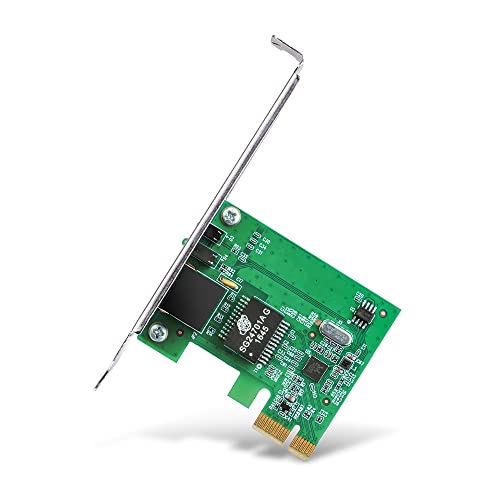
The TG-3468 upgrades Ethernet speeds to Gigabit levels (10/100/1000 Mbps) via PCIe. It supports Wake-on-LAN and auto-negotiation, plus IEEE 802.3x flow control for full-duplex operation. This card is a straightforward upgrade for older desktops needing reliable, modern Ethernet connectivity with broad OS support and easy installation.
TP-Link TX401 10G PCIe NIC
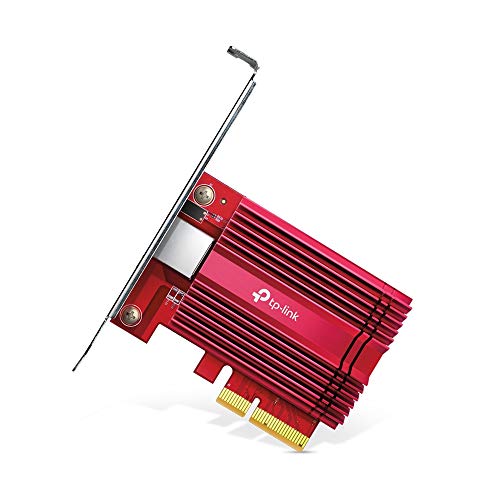
The TX401 delivers 10 Gbps using 10GBase-T with backward compatibility across multiple data rates. It’s designed for high-demand environments, including gaming, large file transfers, and server workloads. It also includes QoS features to prioritize traffic for latency-sensitive applications, and it supports Windows, Windows Server, and Linux operating systems.
BrosTrend 2.5Gb PCIe NIC

BrosTrend’s 2.5 Gbps PCIe network card leverages 2.5GBASE-T technology for faster local network transfers and improved latency. It emphasizes low-profile compatibility for compact systems and Windows/Server support, along with broad OS compatibility. The product is positioned for users seeking noticeable improvements over standard Gigabit adapters.
10Gtek 10Gb Dual RJ45 Card

Equipped with an Intel X540-based controller, this 10Gb NIC supports intelligent offloads and stability for servers. It offers dual RJ45 ports for high-density networking, supports a wide range of Windows and Linux operating systems, and is suitable for data centers and virtualized environments that require fast, reliable Ethernet connectivity across multiple hosts.
GiGaPlus 2.5Gb PCIe NIC

The GiGaPlus 2.5Gb NIC uses Realtek RTL8125B for high-speed 2.5 Gbps connections. It emphasizes driver-free operation on Windows 10, broad compatibility, and easy setup on other OS with driver installation. It’s designed for users seeking a simple upgrade path to faster home or office networks without extensive configuration.
GWFIBER PCIe 10/100/1000 NIC

The GWFIBER PCIe NIC is a driver-free, PCIe 10/100/1000 Mbps card that supports Wake on LAN and PXE. It works across various Windows and Linux systems and provides an economical option for desktops and smaller servers needing reliable wired networking with low memory usage.
Buying Guide: Key Purchase Considerations for Network Interface Cards
- Speed and bandwidth: Choose 2.5G, 5G, or 10G based on your internet plan, local network, and storage needs. Higher speeds reduce bottlenecks during large transfers or gaming sessions.
- Port type and compatibility: Ensure the card’s RJ45 ports and PCIe slot type match your motherboard and chassis. Check for backward compatibility with older network speeds.
- Operating System support: Verify driver availability and official support for Windows versions, Linux distributions, and server environments you use.
- QoS and latency considerations: Cards with QoS help prioritize gaming or streaming traffic, which can reduce jitter and improve responsiveness.
- Form factor and cooling: Low-profile brackets fit compact builds; consider heat generation in high-throughput setups and whether additional cooling is needed.
- Driver-free or driver-dependent setups: Some models advertise driver-free operation on certain Windows versions, while others require drivers for optimal performance on Linux or macOS.
- Reliability and warranty: Look for vendors offering solid warranties and clear return policies, especially for business or server deployments.
- Network intent: For home use, 2.5G or 10G cards cover gaming, media streaming, and rapid file transfers. For servers or labs, dual-port or enterprise-grade NICs may be preferable for redundancy and virtualization.
- Future-proofing: If possible, choose a card that supports multi-speed negotiation and easy firmware or driver updates to extend its useful life.