If you want a small, capable camera drone that’s simple to fly for beginners and handy for travel, a nano camera drone is often the right choice. These compact flyers balance portable design with stabilized footage and user-friendly features. The top picks below are grouped by who benefits most—from kids and beginners to travelers and hobbyists. Each option is evaluated for ease of use, camera quality, stability, flight time, and safety features.
| Product | Best For | Key Benefit | Notes |
|---|---|---|---|
| MintifyCo Mini Drone | Travelers, Quick Shots | 4K camera, six-axis stabilization | Foldable, portable |
| Sky Viper Dash Nano | Indoor Flyers | Fast indoor flight, safe operation | One-touch stunts |
| DJI Neo | Casual Adventurers | Palm takeoff, controller-free | Lightweight, easy carry |
| RunCam FPV Nano | FPV Hobbyists | Wide-angle camera, high-def detail | Compact FPV option |
| Holy Stone HS210P | Kids & Beginners | 3 batteries, easy modes | Beginner-friendly |
MintifyCo Mini Drone With 4K Camera

The MintifyCo Mini Drone combines a compact frame with a 4K camera and a six-axis stabilization system. It is best for travelers or casual shooters who want crisp aerial footage without a bulky setup. The foldable design supports easy carrying, making it a good everyday drone for quick captures on outdoor adventures.
Best for: travelers and outdoor enthusiasts who need a portable, stabilized 4K camera drone. Why selected: 4K resolution with stabilizing gyros helps deliver steady, high-detail footage on the go. Caution: folding mechanisms should be handled gently to maintain long-term hinge health.
Sky Viper Dash Nano Performance RC Drone
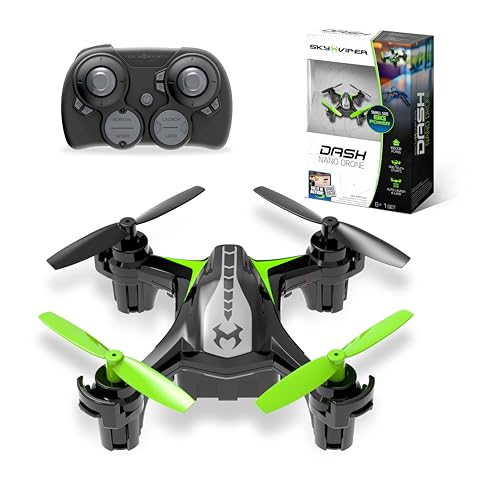
The Sky Viper Dash Nano is tuned for fast, safe indoor flying. It uses advanced flight software to correct drift, making it a solid choice for beginners who want steady performance in tighter spaces. One-touch stunts add a playful element without complicating control.
Best for: indoor pilots and beginners who need a calm learning curve. Why selected: strong stability in confined spaces and intuitive stunt options. Caution: wind and real-world indoor clutter can still affect performance; keep sessions in open areas when possible.
DJI Neo Mini Drone

The DJI Neo is a featherweight, palm-sized drone with 4K video and palm takeoff. It is designed for effortless portability and controller-free use, appealing to casual flyers who want instant action at a moment’s notice. Activation via the DJI Fly App is required, and the device emphasizes ease of use over heavy customization.
Best for: casual adventurers seeking a grab-and-go drone. Why selected: ultra-lightweight design and simple “throw and fly” operation. Caution: app activation and setup may require internet access and a moment to configure for first use.
RunCam FPV Nano 4 Mini Cam

The RunCam FPV Nano focuses on FPV enthusiasts who want a tiny, high-definition camera with a wide FOV. Its 800TVL resolution and a 1/3″ CMOS sensor deliver detailed scenes, even in challenging lighting. A 155-degree field of view means more of the world is captured in shots and videos.
Best for: FPV hobbyists seeking a compact camera option for micro quads or as a secondary nano camera. Why selected: wide angle and improved low-light color handling. Caution: as a camera module, it requires compatible mounting and power considerations in some builds.
FLYVISTA Mini Drone With 1080P Camera
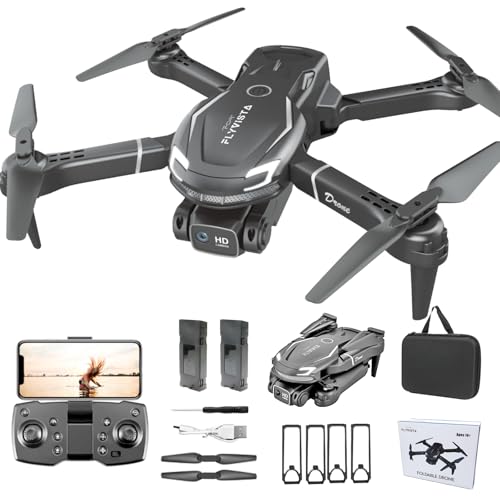
The FLYVISTA drone targets beginners and kids with a two-battery setup to extend playtime. Its 1080P camera and FPV features provide an engaging first-person view experience. The two batteries support longer sessions, but heavier use could reduce individual flight times.
Best for: kids and new flyers who want longer sessions and intuitive controls. Why selected: longer overall flight time with a practical 1080p camera. Caution: more flips and aggressive maneuvers reduce per-battery flight time.
Holy Stone HS210P Mini FPV Drone

The Holy Stone HS210P targets kids and beginners with an adjustable 1080P camera, WiFi FPV transmission, and a 3-battery option for extended play. Gesture control and 3D flips add accessible entertainment while maintaining safe, beginner-friendly flight modes.
Best for: young flyers and families seeking a first FPV drone. Why selected: built for learning with practical features and a safe, guided flight experience. Caution: gesture control and WiFi connections may require close proximity for best performance.
Buying Guide: Nano Camera Drones For Smart Shopping
What should you check before buying a nano camera drone? Consider camera quality, stabilization, flight time, and safety features. For travelers, portability and quick-start controls matter most. For beginners, ease of use and robust safety modes are key, while FPV enthusiasts may prioritize low-latency feeds, wide angles, and compact design.
- Camera quality and stabilization: Look for 1080P or 4K options with a reliable stabilization system (six-axis or improved gyro) to reduce shake in footage during movement.
- Flight time and charging: Notice how many batteries are included and how long each flight lasts. Longer sessions reduce the need for frequent recharges.
- Control modes and safety features: Features such as headless mode, altitude hold, one-key takeoff/landing, and emergency stop help beginners gain confidence.
- Portability and build: Foldable designs and lightweight frames suit travelers and casual users who want to keep gear compact.
- App and connectivity: Some drones rely on companion apps for features; ensure you can access the app easily and that it’s compatible with your device.
Frequently Asked Questions
- What is a nano camera drone?
A nano camera drone is a small, portable drone with a built-in camera designed for easy flight and basic aerial photography. They are typically lightweight and foldable for travel.
- Are nano drones good for beginners?
Yes. Many models offer beginner-friendly features such as altitude hold, headless mode, and one-key takeoff. These simplify control while teaching basic flight skills.
- What should I prioritize in a nano drone with a camera?
Camera resolution and stabilization, flight time, and safety features. If you plan indoors, focus on stability and indoors-friendly flight modes; for travel, prioritize portability.
- Do nano drones require registrations or IDs?
Regulations vary by country. In many cases, ultra-lightweight drones may not require registration, but always verify current rules for your location and use-case.
- Can nano drones perform advanced maneuvers?
Some models offer 360° flips and quickshot modes. While these features are fun, they can drain battery life and require space to practice safely.
- What is FPV on a nano drone?
FPV stands for First-Person View, where live video from the drone’s camera is transmitted to a screen on the controller or a connected device. FPV enhances immersion and piloting precision.