Mountain biking demands reliability, rugged design, and precise data. A dedicated MTB GPS computer provides trail maps, navigation, performance metrics, and durable construction to withstand mud, rocks, and long rides. Below, five top picks bring advanced navigation, long battery life, and rider-focused features to American trails. Each product is evaluated on durability, off-road functionality, and data depth to help you choose the right device for your riding style.
Summary of chosen products
- Garmin Edge MTB: Rugged, full-color trail maps, long battery life, enduro-ready profiles.
- iGPSPORT BSC300T: Large touchscreen, multi-mode support, robust satellite coverage.
- iGPSPORT BSC200S: Route navigation, one-touch routing, smart notifications.
- Garmin Edge 540: Targeted coaching, strong navigation, long battery life.
- Garmin Edge 530: Mapping, performance monitoring, safety features and radar compatibility.
Garmin Edge MTB Rugged GPS Bike Computer

The Garmin Edge MTB is designed for mountain biking with a compact, rugged build and a 7-button control layout. It comes with preloaded full-color trail maps and multiple ride profiles, including enduro and downhill, helping riders navigate challenging terrain confidently. The display is scratch-resistant Corning Gorilla Glass, ensuring visibility in mud and grit. Battery life offers up to 14 hours in demanding modes, with an option to extend to 26 hours in battery saver mode. This device suits riders who want rugged reliability plus detailed trail data on tough trails.
Performance highlights include advanced tracking, seamless on-device navigation, and robust map data. The rugged chassis is built to withstand exposure to rain, dust, and shocks, making it a strong option for serious mountain bikers who ride on variable terrain. If you value dependable routing and a durable interface, the Edge MTB delivers a focused, trail-first experience with strong battery flexibility for long days on the trail.
iGPSPORT BSC300T Wireless Bike Computer
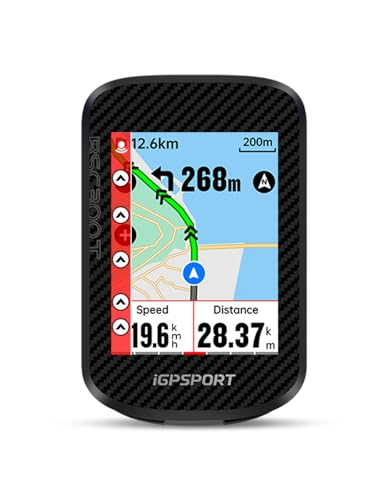
The iGPSPORT BSC300T offers a 2.4-inch touchscreen and a six-button layout for straightforward operation, combining touch and physical controls. It supports multiple modes suitable for road, mountain, and e-bikes, with features like power display and offline navigation. The device relies on global satellite coverage (GPS, Beidou, GLONASS, Galileo, QZSS) to improve positioning speed and riding data accuracy. This model suits riders who want a versatile device with a big screen and reliable signal acquisition for off-road rides and mixed-terrain adventures.
Key strengths include an intuitive interface, multi-system satellite support for stable positioning, and the flexibility to use on both mountain and road bikes. Its offline navigation capability makes it a practical option for trails with poor connectivity, while the comprehensive mode support ensures it can fit into various riding scenarios—from daily commutes to rugged weekend routes.
iGPSPORT BSC200S GPS Bike Computer

The BSC200S focuses on route navigation and one-touch routing. It supports creating routes in the iGPSPORT app or importing routes from third-party platforms such as Strava, Ride with GPS, and Komoot. A standout feature is one-touch navigation to instantly start a saved route, with options to return to start. Smart notifications keep riders aware of calls, messages, and app alerts during rides, reducing the need to glance at a phone on the handlebars. It’s IPX7 waterproof, making it robust for wet conditions.
This model appeals to riders who prioritize flexible route planning and seamless navigation during runs. The combination of easy route transfer, quick-start navigation, and reliable connectivity provides a smooth off-road experience for mountain bikers who want to explore new trails with minimal setup.
Garmin Edge 540 GPS Cycling Computer

The Garmin Edge 540 is a compact cycling computer with strong navigation, performance tracking, and targeted adaptive coaching. It supports up to 26 hours of battery life in demanding use, with up to 42 hours in battery saver mode. The device highlights daily suggested workouts and training prompts on screen, adapting to your activity when paired with a compatible power meter and heart rate monitor. This makes it well-suited for riders focusing on structured training and data-driven improvements on and off the trail.
Beyond coaching, the Edge 540 provides robust navigation features and connectivity to support cycling data collection. Its balance of compact form and powerful analytics makes it a reliable choice for riders who want on-device coaching and strong route capabilities without a large display footprint on the handlebars.
Garmin Edge 530 With Mapping And Dynamic Monitoring

The Edge 530 delivers mapping capabilities, dynamic performance monitoring, and popular routing features. It supports power meter compatibility and offers a touch control method for user interface. The device includes Bluetooth and integration with compatible sensors for a broader view of performance metrics. Safety features like bike alarm and group tracking help with visibility and security. It also supports compatibility with rear radar and lights when paired with a smartphone, enhancing rider safety on busy roads or low-visibility trails.
For riders seeking a balance of mapping, performance analytics, and advanced safety, the Edge 530 provides a compact package with practical navigation and rich data visualization. The inclusion of power-meter compatibility and sensor integration makes it a strong hub for performance-minded cyclists who want actionable insights during and after rides.
Buying guide: Key purchase considerations
When choosing an MTB GPS computer, consider these factors to match your riding style and terrain:
- Durability and water resistance: Look for rugged housings and IP ratings sufficient for mud, rain, and splashes common on mountain trails.
- Display size and readability: A larger, high-contrast screen with glove-friendly controls helps in bright sun or shadowed trails.
- Battery life and modes: Prefer devices with long endurance and a battery saver option for multi-hour epics; check which features drain power faster (maps, GPS refresh, backlighting).
- Navigation features: Full-color topographic or trail maps, offline navigation, and smart routing are valuable on remote trails.
- Sensor compatibility: Ensure compatibility with power meters, heart rate monitors, and radar/lights if safety and performance metrics matter to you.
- Route planning flexibility: Ability to import routes from apps (Strava, Komoot, Ride with GPS) and create on-device routes can save time on busy days.
- Training features: Adaptive coaching, VO2 max estimates, and recovery metrics help plan workouts and monitor progress over weeks or months.
- User experience: Consider whether you prefer a touchscreen, physical buttons, or a combination, especially for muddy or sweaty conditions.
- Connectivity and ecosystem: Seamless syncing with mobile apps and data platforms, plus compatibility with other Garmin or iGPSPORT devices, can enhance long-term usability.
Different riders place emphasis on different features. A rugged, map-rich unit suits riders who explore unfamiliar trails, while those focused on training performance may prioritize coaching and powerful data analysis. Battery life matters most on long-backcountry rides; touchscreen visibility matters on sunny singletrack days. Safety features like alarms, radar, and integration with lights can influence your choice for urban or mixed-terrain riding.