Choosing the right mouse for desktop use blends comfort, precision, and compatibility. This guide highlights five reliable options, spanning wireless and wired models, to fit a wide range of desks, hands, and workflow needs. Each pick is compatible with Windows, Mac, and common laptops, and designed to minimize fatigue during long work sessions.
| Product | Brand | Connection | DPI / Precision | Notes |
|---|---|---|---|---|
| Logitech M185 Wireless Mouse | Logitech | 2.4 GHz USB Receiver | 1000 DPI | Ambidextrous, long battery life |
| TECKNET Wireless Mouse | TECKNET | 2.4G USB Receiver | Up to 2600 DPI | Ergonomic, 24-month battery life |
| Logitech M510 Wireless Mouse | Logitech | Unifying Receiver | Approx. not listed (responsive for productivity) | Long battery life, programmable buttons |
| Logitech B100 Wired Mouse | Logitech | USB Wired | 800 DPI | Simple, reliable wired option |
| Acer Wireless Mouse | Acer | USB Receiver 2.4G | Up to 1600 DPI | Three DPI levels, travel-friendly |
Logitech M185 Wireless Mouse

Features include a compact, ambidextrous design suitable for either hand, a 2.4 GHz USB mini receiver, and up to one year of battery life due to smart sleep mode. The USB receiver works with Windows, Mac, and laptops, making it a versatile choice for mixed devices.
TECKNET Wireless Mouse

Ergonomic design with rubber side-grips supports a comfortable grip for extended use. It offers five DPI levels (800/1200/1600/2000/2600) for adjustable precision and is optimized for USB-A compatible devices. The model emphasizes portability and reliable 2.4G connectivity.
Logitech M510 Wireless Mouse
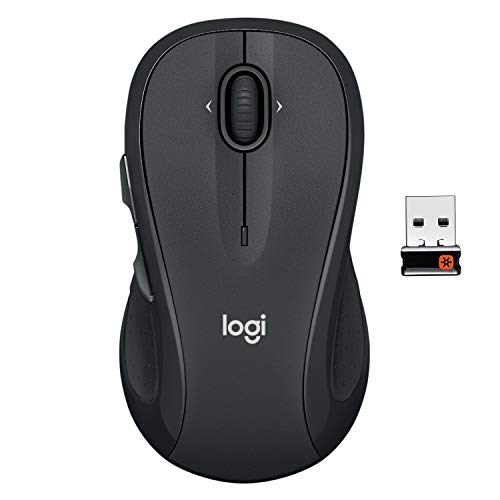
Designed for both laptop and PC use, the M510 offers long battery life, a standard layout with programmable buttons, and a Unifying receiver that stays in the laptop. A battery indicator helps avoid unexpected power loss, supporting steady productivity.
Logitech B100 Wired Mouse
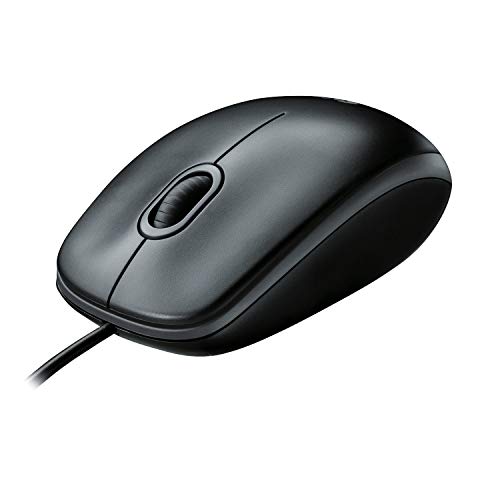
Basic wired operation with a standard 800 DPI optical sensor. Named for its reliability, this model is suitable for users who prefer a plug-and-play wired option without batteries or wireless interference.
Acer Wireless Mouse

This Acer model provides 2.4 GHz wireless connectivity with three DPI settings (800/1200/1600) for adaptable sensitivity. It includes a USB-A receiver and is designed for mid to large hand sizes, balancing travel convenience with desk performance.
Buying Guide
Key considerations when choosing a mouse for desktop use include:
- Connectivity: Wireless (2.4 GHz or Bluetooth) vs wired. Wireless reduces cable clutter but may rely on battery life and receiver range; wired provides constant power and zero latency concerns.
- Grip and ergonomics: Ambidextrous designs suit both hands, while contoured shapes support long sessions. Consider palm size and preferred grip (palm, claw, or fingertip).
- Precision and DPI: Higher DPI offers more sensitive tracking, which helps with precision tasks, design work, and high-resolution displays. Look for adjustable DPI if versatility is needed.
- Buttons and programmability: Additional programmable buttons can streamline workflows in productivity software and web browsing.
- Battery life and power-saving features: For wireless mice, long battery life reduces maintenance. Sleep mode and auto-off features extend battery life.
- Compatibility and setup: Ensure the mouse works with your OS and devices without requiring drivers. Unifying receivers can simplify multi-device setups.
- Portability vs desk presence: Compact mice travel well, but larger mice may offer better comfort on a fixed desk.
For mixed environments—Windows, Mac, and various laptops—a versatile, reliable wireless model with an ambidextrous or ergonomic design tends to perform best. If your desk supports a simple USB connection and you value absolute plug-and-play reliability, a wired option like the B100 remains a solid choice. When long sessions and productivity tools are central, models with programmable buttons and multi-surface tracking provide notable efficiency gains.