Carpal tunnel syndrome can be aggravated by prolonged, awkward wrist positions from standard mice. Ergonomic vertical and contoured mice aim to keep the wrist in a natural handshake position, reducing strain and supporting long work sessions. Below are five well-regarded options designed to promote better posture, quieter clicks, and reliable connectivity across devices. The list prioritizes models with vertical designs, multiple connectivity modes, and sufficient battery life for daily use. A quick buying guide follows to help you compare features and choose the best fit for your setup.
| Product | Brand | Connectivity | Highlights |
|---|---|---|---|
| ProtoArc Ergonomic Mouse, EM11 NL | ProtoArc | Bluetooth + 2.4G USB | Multi-device, 3-device pairing |
| Logitech Lift Vertical Ergonomic Mouse | Logitech | Bluetooth/USB Receiver | Quiet clicks, right-hand comfort |
| TECKNET Ergonomic Mouse, Vertical | TECKNET | 2.4G USB-A Receiver | 600mAh battery, silent clicks |
| Anker 2.4G Wireless Vertical Ergonomic Mouse | Anker | 2.4G USB | Multiple DPI, neutral hand position |
| Logitech MX Vertical Wireless Mouse | Logitech | Wireless USB/Rechargeable | Natural handshake, 57° angle |
ProtoArc Ergonomic Mouse EM11 NL

The ProtoArc EM11 NL uses a vertical ergonomic design intended to keep the wrist in a more natural alignment. It supports multiple devices through Bluetooth 5.0 and 2.4 GHz USB, enabling seamless switching across computers, laptops, and tablets. Its built-in 500mAh battery is rechargeable via USB-C, reducing downtime between work sessions. The device targets repetitive strain reduction by aligning the forearm and wrist, potentially lowering discomfort during lengthy computer use. For users juggling several devices, the EM11 NL offers convenient cross-device control without needing to swap mice.
Logitech Lift Vertical Ergonomic Mouse
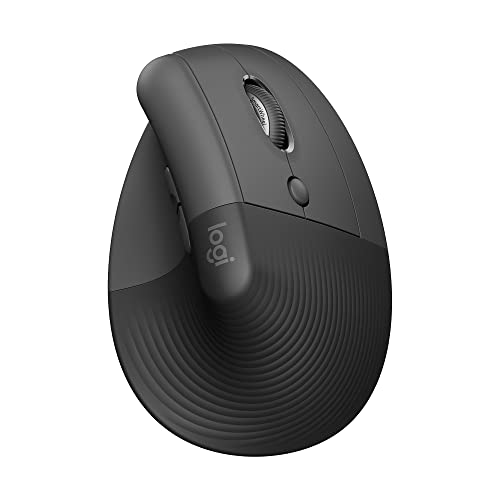
The Logitech Lift emphasizes an upright posture designed to reduce forearm twist and shoulder strain. Built for right-handed users with a comfortable grip, it features a softly textured surface and a snug thumb rest. The device promotes a natural forearm angle that can help alleviate ongoing discomfort associated with long hours at a desk. Quiet clicks and a reliable wireless connection make it suitable for focused tasks and extended workdays where silence and efficiency are valued.
TECKNET Ergonomic Mouse, Vertical

TECKNET’s vertical ergonomic mouse for the right hand focuses on minimizing wrist and forearm strain. The 600mAh battery allows for extended use with a relatively quick 1.5-hour charge via Type-C. A 2.4 GHz receiver provides stable wireless performance with a 10-meter range, and the vertical design helps maintain a natural posture. The user-friendly setup supports everyday computing needs, with emphasis on long sessions without fatigue or repetitive strain.
TECKNET 2.4G Ergonomic Mouse Vertical Wireless

This TECKNET model offers a true vertical grip with 5 adjustable DPI levels (4800/3200/2400/1600/800) ideal for precise cursor control. Silent clicks help maintain a quiet workspace, and the 2.4 GHz connection ensures dependable performance across a variety of surfaces. The device is designed for right-hand use and emphasizes arm and wrist comfort, making it a practical option for users managing carpal tunnel symptoms in busy work environments.
Logitech MX Vertical Wireless Mouse

The Logitech MX Vertical is designed around a natural handshake position with a notable 57-degree vertical angle to minimize wrist pressure. It’s characterized as ergonomist-approved and supports smooth, fatigue-free operation across Windows and macOS environments. The rechargeable setup offers flexible power management and seamless performance for multi-device workflows, making it a widely used option for professionals seeking long-term comfort and productivity gains.
Buying Guide: Key Considerations When Choosing an Ergonomic Mouse
- Grip style and hand size: Vertical mice generally suit a neutral wrist position, but the best fit depends on your hand size and grip. Try options with curved contouring and comfortable thumb rests for extended use.
- Connectivity: If you work across multiple devices, look for models offering Bluetooth, USB dongle (2.4 GHz), or both. Having multiple pairing options can prevent cumbersome switching and USB port usage.
- DPI and precision: DPI settings affect cursor sensitivity. For detailed editing or design work, higher DPI options enable finer control. Look for adjustable DPI ranges that fit your tasks.
- Battery life and charging: Rechargeable batteries reduce ongoing costs. Check charge time and operating hours per charge, especially if you’ll be using the mouse for long sessions.
- Noise level: Quiet-click designs are beneficial in shared or quiet spaces. This is particularly relevant for offices or libraries where disturbance should be minimized.
- Ergonomic posture features: Evaluate the vertical angle, palm support, and thumb rest. A design that keeps the wrist in a natural alignment can help minimize carpal tunnel symptoms over time.
- Build quality and compatibility: Durable materials and wide OS compatibility (Windows/macOS/iPadOS) ensure the mouse remains useful across devices and updates.
- Usage environment: For quiet offices or collaborative spaces, consider mice with silent buttons and reliable wireless performance to avoid interruptions.
Choosing an ergonomic mouse involves balancing posture benefits with practical needs like device compatibility, battery longevity, and your typical work routine. For carpal tunnel relief, prioritize vertical designs that encourage a neutral wrist angle, reliable multi-device connectivity, and comfortable resting positions for the forearm and thumb. Testing a few options can help identify the best long-term solution for comfort and productivity.