Choosing the right monitor for graphics work involves color accuracy, resolution, panel type, and ergonomic features. The following five models stand out for designers, illustrators, and video professionals seeking sharp detail, consistent color, and reliable performance. Each product section includes key specs, image, and a concise feature summary to help you compare at a glance.
| Monitor | Resolution | Panel / Color | Key Benefit |
|---|---|---|---|
| LG 27US500-W | 4K UHD (3840×2160) | IPS, HDR10 | Vivid detail and wide color for design work |
| ASUS ProArt PA278QV | WQHD (2560×1440) | IPS, 100% sRGB / Rec. 709, Calman Verified | Color accuracy out of the box |
| Samsung Odyssey G55C | QHD (2560×1440) | VA, 1000R, 165Hz, HDR10 | Immersive visuals with strong contrast |
| Samsung UJ59 32″ | 4K UHD (3840×2160) | VA, 4K, HDR, Flat panel | Large workspace with true 4K clarity |
| Acer KG271U | QHD (2560×1440) | IPS, 95% DCI-P3, FreeSync | Sharp color and smooth gaming/creative workflow |
LG 27US500-W Ultrafine Monitor
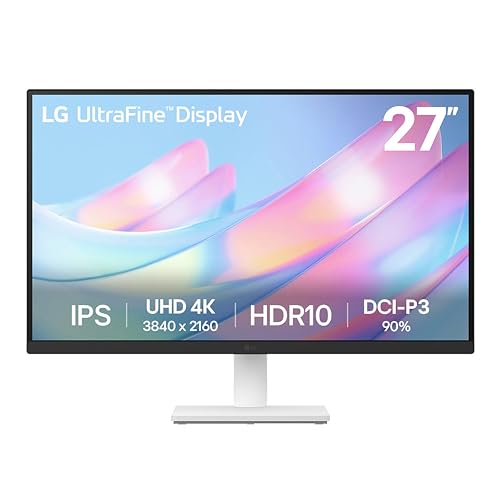
LG’s 27US500-W delivers 4K UHD resolution with a 1000:1 contrast ratio and an IPS panel designed for broad viewing angles. The display supports HDR10 and a wide color gamut for lifelike greens, skin tones, and subtle textures essential in graphic work. Onscreen Control enables quick workspace customization, making it easier to allocate space for palettes, toolbars, and reference images while editing. The monitor’s borderless design helps maximize screen real estate for detailed tasks.
ASUS ProArt Display PA278QV

The ASUS ProArt PA278QV is a 27-inch WQHD IPS monitor calibrated for color accuracy, offering 100% sRGB and Rec. 709 with Delta E < 2. Calman Verified status ensures consistent color across workflows, from photo editing to vector work. Its ergonomic stand supports tilt, pivot, swivel, and height adjustments, helping creators set up comfortable, long sessions. A frameless design minimizes distraction and increases screen space for precise design work and multi-window layouts.
Samsung Odyssey G55C Series

The Samsung Odyssey G55C provides a 32-inch curved display with QHD resolution and a 1000R curvature, offering immersive graphics workflows and comfortable multitasking across large canvases. A 165Hz refresh rate and 1ms MPRT response time help reduce motion blur in fast-paced design previews, while HDR10 expands color and contrast for more realistic render previews. This monitor balances vibrant color with deep blacks, aiding in accurate shading during creative sessions.
Samsung 32″ UJ59 4K UHD

The Samsung UJ59 is a 32-inch 4K UHD monitor that delivers a broad workspace with extremely sharp detail ideal for high-resolution graphic work and video editing. It supports a billion color shades and advanced upscaling to enhance lower-resolution content. The large diagonal helps with layout planning and multi-document comparison, while eye care features and flicker-free technology reduce eye strain during extended sessions.
Acer SB273 G0bi 27″ IPS Full HD

The Acer SB273 G0bi focuses on a balanced 27-inch IPS panel with Full HD resolution, offering a zero-frame design for edge-to-edge screen visibility. While not a 4K or QHD model, its adaptive-sync (FreeSync compatible) and 1ms VRB response time provide smooth motion for interactive design applications and photo editing previews. The monitor is well-suited for compact workspaces where screen real estate and fast rendering matter without sacrificing color fidelity.
Acer KB272 27″ FHD

The Acer KB272-27″ monitor offers Full HD resolution with up to 120Hz refresh and FreeSync compatibility, providing fast rendering of motion graphics and smoother edit previews. This model emphasizes vibrant color representation with a 99% sRGB color profile and adjustable tilt, making it a practical option for limited desk space and entry-level color-critical work. It’s a versatile choice for students or professionals who require a capable display without a premium price tag.
Buying Guide: Monitors For Graphics
- Resolution and workspace: Higher resolutions (4K UHD or WQHD) provide more detail and room for palettes, toolbars, and reference images, supporting precise editing and layout tasks.
- Color accuracy: Look for factory calibration, color gamut coverage (sRGB, Rec. 709, DCI-P3), and features like Calman verification or Delta E measurements for consistent results across projects.
- Panel type and contrast: IPS panels deliver accurate color and wide viewing angles, while VA panels offer strong contrast for richer shadows. HDR support helps with real-world tone mapping and previews.
- Ergonomics and adjustability: Height, tilt, swivel, and pivot adjustments reduce neck strain during long sessions. A VESA mount option adds mounting flexibility for a clean desk setup.
- Sync technologies: FreeSync or G-Sync compatibility reduces tearing and stutter in dynamic imagery, which can improve the quality of motion previews in design software.
- Color calibration workflow: Consider if your pipeline requires 3D LUTs or color-management tools. Monitors with user-accessible calibration settings can simplify ongoing accuracy maintenance.
- Size and ergonomics balance: Larger screens improve multitasking but require more desk space. Choose a size that fits your workspace while allowing comfortable viewing distances.
- Connectivity: HDMI, DisplayPort, and USB-C (where available) affect compatibility with current workflow hardware and docking setups.
- Usage context: For print-focused work, color grading, and photography, prioritize color accuracy and color gamut. For layout and UI design, screen real estate and sharp text rendering matter.