Choosing the right monitor for radiology is essential for accurate image interpretation. This guide highlights five monitors and radiology-friendly devices designed for diagnostic clarity, image consistency, and user comfort in clinical settings and home radiology workflows.
Summary of Selected Products
- HP Healthcare Edition HC241P 24″ Clinical Review Monitor — 2MP display with DICOM calibration for clinical review
- Barco MDNC-3421 3MP Color LED Medical Diagnostic Radiology Display Monitor — high-resolution color imaging
- EMAY Portable ECG Monitor — mobile heart monitoring with USB/Bluetooth connectivity
- Walfront Handheld Nuclear Radiation Detector — portable radiation monitoring for radiology safety
- Walfront Nuclear Radiation Detector — versatile, large LCD radiation monitoring tool
HP Healthcare Edition HC241P 24″ Clinical Review Monitor

The HP HC241P is a 24-inch clinical review monitor designed for radiology and other medical imaging workflows. Its 2MP (1920 x 1200) resolution supports detailed visualization for radiology, mammography, and orthopedic review, helping clinicians see subtle features more clearly. The bundle includes essential cables—VGA, HDMI, DisplayPort, and USB 2.0 Type-B to Type-A—to enable rapid setup in busy clinical environments. Built for healthcare environments, this monitor emphasizes stable luminance and built-in quality assurance tools to maintain consistent image display over time. This helps ensure reliable consultations and cross-professional review without frequent recalibration.
Key considerations:
- High-resolution clarity supports precise interpretation of radiographs and other imaging modalities.
- Complete cable bundle reduces setup time for clinical workstations.
- Stability and QA features contribute to consistent image performance across shifts.
Barco MDNC-3421 3MP Color Open Radiology Display

The Barco MDNC-3421 offers a 3MP color display designed for diagnostic radiology with color accuracy and end-to-end comfort in mind. This high-resolution display supports detailed imaging, enabling accurate evaluation of radiographs and other imaging studies while aiming to reduce eye strain during long review sessions. The monitor emphasizes accuracy and consistent image rendering at a lower total cost of ownership compared to higher-end clinical displays, making it suitable for departments seeking dependable diagnostic performance without excessive expense.
Key considerations:
- High-density 3MP color imaging supports nuanced interpretation of complex scans.
- End-to-end comfort features help reduce fatigue during extended reading sessions.
- Cost-conscious approach without compromising essential diagnostic quality.
EMAY Portable ECG Monitor
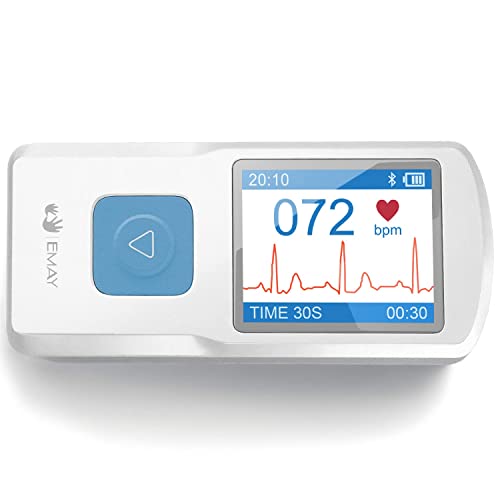
The EMAY Portable ECG Monitor provides home health capabilities with ECG lead recording and heart rate display. It connects to a PC via USB and to mobile devices via Bluetooth, enabling flexible data capture and review. This device includes software for PC and mobile use with features such as sample mode, time settings, and data upload for case review. While primarily targeting home health monitoring, its interoperability can complement radiology workflows when integrated into broader cardiovascular assessment workflows and telemedicine use cases.
Key considerations:
- USB and Bluetooth connectivity for cross-device data sharing.
- Software tools support case review and measurement tracking.
- Useful as a supplementary tool in radiology workflows tied to cardiovascular assessments.
Walfront Handheld Nuclear Radiation Detector

The Walfront handheld detector is a portable device aimed at detecting gamma, beta, and X-ray radiation with a large LCD for easy viewing in various lighting conditions. Its compact form factor makes it suitable for home radiology safety checks, jewelry testing, and quick assessments in protection and security tasks related to radiology settings. Real-time readings support safety-focused workflows and training scenarios where immediate radiation awareness is essential.
Key considerations:
- Portable and easy to carry for on-the-go safety checks.
- Multi-type detection covers a broad range of radiologic environments.
- Clear LCD display aids quick interpretation in diverse lighting.
Walfront Nuclear Radiation Detector with Large LCD Screen

This Walfront model emphasizes a large LCD screen for easy reading of real-time radiation values, making it suitable for home safety, radiology protection, and environmental checks. It is designed for versatility across home, jewelry inspection, cosmetics safety, and professional radiology protection contexts. The device uses an integrated sensor and energy compensation features to deliver timely and accurate measurements, supporting informed decisions in radiology-related activities.
Key considerations:
- Versatile use cases spanning home safety to professional radiology protection.
- Large LCD for readability in varied lighting conditions.
- Sensor technology supports fast response and reliable measurements.
Buying Guide
When selecting a monitor or device for radiology-focused work, consider these factors to balance image quality, reliability, and workflow efficiency:
- Display resolution and calibration: For radiology, higher resolution and DICOM calibration support consistent grayscale and luminance are critical for accurate interpretation.
- Color accuracy and luminance stability: Especially important for mammography and multi-modality reading; look for displays with validated calibration tools and uniform brightness across the panel.
- Connectivity and setup: A complete cable bundle and multiple input options facilitate faster deployment and compatibility with existing workstations.
- Ergonomics and comfort: Long reading sessions require screens designed for reduced eye strain and comfortable viewing angles.
- Durability and healthcare accreditation: Healthcare-grade displays and devices should meet essential reliability standards and be suitable for clinical environments or home tele-radiology workflows.
- Portability versus stability: Portable detectors and handheld units offer flexibility for field radiology or safety checks, while larger monitors suit primary interpretation in clinics.
- Data sharing and interoperability: USB/Bluetooth connectivity and software tools should support efficient case review and integration with telemedicine platforms.
- Cost versus performance: Balance advanced imaging capabilities with total cost of ownership, including maintenance and calibration needs.
These considerations help prioritize essential features for radiology reading rooms, clinics, and home-based imaging consultations. Users should align device capabilities with their specific imaging modalities, workflow volume, and compliance requirements to ensure reliable, accurate interpretations.