Choosing the right monitor can streamline document review, large spreadsheets, and video conferences. The following picks emphasize IPS panels, high-clarity text, comfortable viewing angles, and dependable performance for legal professionals.
| Product | Brand | Key Benefit |
|---|---|---|
| Acer KB242Y | Acer | Edge-to-edge visibility and fast refresh for smooth workflows |
| HP 24mh | HP | Large IPS display with wide viewing angles and built-in audio |
| Sceptre E225W-FW144 | Sceptre | Compact 22-inch option with 1080p and integrated speakers |
| Acer SB220Q | Acer | Ultra-thin 21.5-inch IPS with zero frame design |
| Sceptre E305B-FU200T | Sceptre | Large 30-inch display with wide color and high refresh potential |
Acer KB242Y 23.8″ Full HD IPS Monitor

The Acer KB242Y delivers 1920 x 1080 Full HD resolution in a 16:9 format with a zero-frame design for edge-to-edge viewing. The IPS panel provides wide viewing angles and color accuracy suited for document review, spreadsheets, and real-time video calls. Its adaptive-sync compatibility helps maintain smooth scrolling and playback, while a 1 ms response time and up to 120 Hz refresh rate reduce motion blur during fast transitions in presentations and multimedia tasks. This monitor emphasizes clarity, making text and details easier to read during long legal reviews.
InnoView 15.6″ Portable IPS Monitor

This portable monitor is an option for lawyers who travel or work remotely. It features an IPS panel with HDR and low blue light technology for more comfortable long sessions. Its slim, lightweight design helps expand a laptop’s screen real estate on the go, enabling multitasking across documents, email, and conferencing. The device is suitable for short-term dual-screen setups and presentation scenarios where portability is essential, though it is best used as a supplemental screen rather than a primary workstation monitor.
Sceptre E225W-FW144 22-Inch Monitor

This 22-inch Sceptre monitor combines a compact footprint with built-in speakers and blue light shift technology. The nearly bezel-free design supports multi-monitor configurations, which can help lawyers maintain parallel windows for case notes and document review. While primarily targeted at general productivity and light gaming, its size and Eye-Safe features can reduce fatigue during long legal research sessions. It offers a straightforward, budget-friendly option for those prioritizing space efficiency.
Acer 21.5″ SB220Q Full HD IPS Monitor
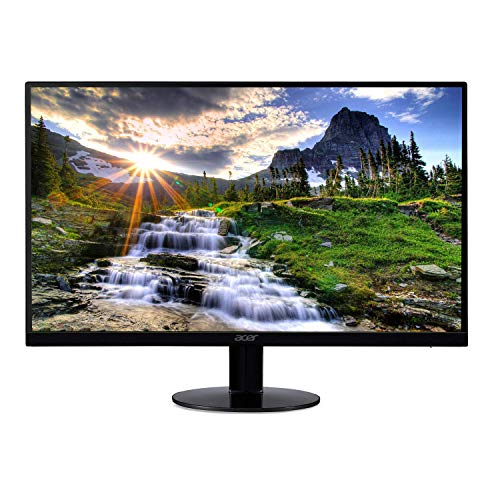
The SB220Q brings a compact 21.5-inch IPS display with full HD resolution and a slim, ultra-thin frame. An IPS panel delivers reliable color accuracy and wide viewing angles, which are useful when sharing documents with clients or colleagues on conference calls. The HDMI and VGA ports provide flexible connectivity to a variety of devices, making it a practical centerpiece for small workspaces or secondary desks. Its compact form is ideal where desk real estate is at a premium.
Sceptre E305B-FU200T 30-Inch IPS Monitor

This 30-inch Sceptre monitor offers a wide viewing area and an IPS panel for strong color consistency from a variety of angles—helpful when viewing long legal documents side-by-side. The expansive screen real estate supports multitasking with multiple windows, so lawyers can compare clauses, annotations, and case notes without excessive scrolling. Built-in speakers add convenience, though external audio setups may enhance conferencing experiences. The high refresh potential and large canvas appeal to users handling dense documents and multimedia tasks.
Buying Guide
When selecting a monitor for legal work, consider the following perspectives and purchase criteria:
- Display size and ergonomics: Larger screens (24–30 inches) with adjustable stands reduce neck strain and improve readability of dense documents and spreadsheets. Consider dual-monitor setups for productivity.
- Panel type and color accuracy: IPS panels deliver consistent colors and wide viewing angles, which are beneficial for reviewing contracts, exhibits, and PDFs with color-coded markup. Look for 99% sRGB or similar coverage where available.
- Resolution and text clarity: A minimum of 1080p (Full HD) is standard, but higher resolutions (e.g., 1440p) can improve sharpness for small text. Text clarity is essential for long reading sessions and redlining documents.
- Refresh rate and response time: For courtroom or video conference workflows, a standard 60 Hz is often sufficient. In multimedia-heavy tasks or rapid scrolling, higher refresh rates (75–120 Hz) can improve smoothness.
- Connectivity: HDMI and DisplayPort are common; VGA is legacy but still useful for older equipment. USB-C can simplify connections to newer laptops. Ensure enough ports for docking stations and external devices.
- Ergonomics and comfort: Look for tilt, swivel, height adjustment, and VESA compatibility. Blue light filtering and flicker-free technology help reduce eye fatigue during long sessions.
- Color and readability features: Blue Light Shift and anti-glare coatings aid in reducing eye strain during extended reading and conferencing.
- Portability considerations: If travel or remote work is frequent, a portable or secondary screen can extend workspace temporarily, but prioritize a reliable primary monitor for core tasks.
- Budget and reliability: Start with a solid IPS panel from a reputable brand, focusing on warranty and service options. Consider energy efficiency and long-term maintenance.