Discover compact, portable laptops designed for education, travel, and light daily tasks. This guide highlights five small-form notebooks that balance size with performance, offering options in Android and Windows ecosystems. Each pick aims to deliver enough speed for tasks like web browsing, note-taking, streaming, and light productivity, all in travel-friendly inches.
| Product | Brand | OS / Type | Key Highlight |
|---|---|---|---|
| Goldengulf Windows 10 Mini Laptop 10″ | Goldengulf | Windows 10 / Quad Core | 4-5 hour video playback with 6000mAh battery |
| Fwmntu 7″ Android Mini Notebook | Fwmntu | Android 12 / Quad Core | Kid-friendly, lightweight, 2GB RAM, 32GB ROM |
| ZHAOHUIXIN 10.1″ Android Mini Laptop | ZHAOHUIXIN | Android 12 / Allwinner A133P | Thin, 0.86″ thickness, portable with 64GB storage |
| Goldengulf 10.1″ Android Mini Netbook | Goldengulf | Android 6.0 / Mini Netbook | Out-of-the-box readiness with included accessories |
| PONKLOIE 11.6″ Windows Mini Laptop | PONKLOIE | Windows 11 Pro / N4000 | 8GB RAM, 256GB ROM, full productivity on the go |
style=”display:none;”>Summary provided above highlights five compact options suitable for users seeking small form-factor notebooks with varied OS choices and configurations.
Goldengulf Windows 10 Mini Laptop
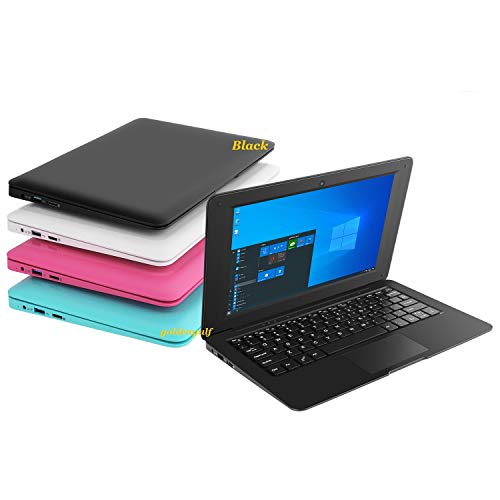
Goldengulf markets a compact Windows 10 mini laptop with a 10-inch display and a quad-core Z8350 processor. It includes 2GB RAM and 32GB storage, with TF card expansion up to 256GB. The device features a 6000mAh battery, which the seller notes can support roughly 4–5 hours of video playback. This option targets basic productivity, streaming, and web browsing in a pocketable chassis. Consider this model if you prefer Windows compatibility and a larger display in a highly portable form factor.
Fwmntu 7″ Portable Android Mini Laptop
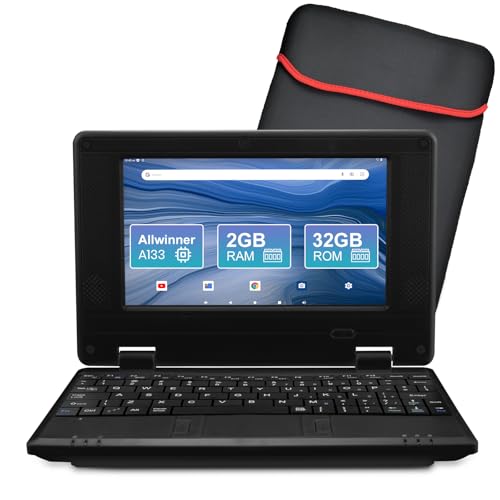
Fwmntu offers a compact 7-inch Android notebook designed for kids and light use. It runs Android 12 and is powered by a 1.5GHz quad-core CPU with 2GB RAM and 32GB storage. The device emphasizes a kid-friendly design, a crisp IPS display at 1024×600 resolution, and a slim 1.3-inch profile. This option is ideal for educational apps, web browsing, and simple games, all in a highly portable footprint.
ZHAOHUIXIN Mini 10.1″ Android Laptop

This 10.1-inch Android mini laptop uses the Allwinner A133P CPU with 1.8GHz baseline speed, 2GB RAM, and 64GB eMMC storage. The device is described as ultra-portable at roughly 0.86 inches thick and under 1 kilogram, emphasizing transportability for online learning, meetings, or light entertainment. Its environmental-friendly ABS/PC housing and a full QWERTY keyboard add everyday usability in a small form factor.
Goldengulf 10.1″ Android Mini Netbook

This 10.1-inch Goldengulf mini netbook runs Android and ships with a 32GB storage option. The listing emphasizes a long-standing selling history and ongoing upgrades, highlighting a balance of compact size, cost-effectiveness, and practical features for on-the-go use. The device is positioned for casual browsing, streaming, and light apps on a small screen.
PONKLOIE 11.6″ Windows Mini Laptop
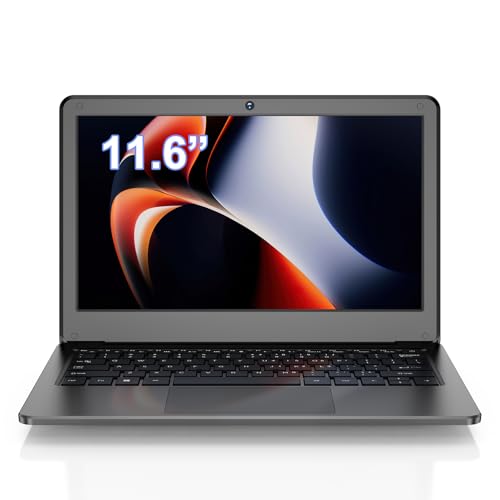
PONKLOIE presents an 11.6-inch Windows mini laptop powered by an Intel N4000 processor with 8GB RAM and a 256GB SSD. The device targets daily multitasking, from document work to light media, while remaining highly portable at around 2 pounds. The inclusion of Windows 11 Pro delivers a familiar productivity environment, with a broad set of ports for connectivity and peripherals. This is a balanced option for students and professionals seeking a compact Windows setup.
Buying Guide
Key factors to consider when choosing a mini notebook laptop:
- Operating System: Android options excel at portability and app access, while Windows variants provide full desktop software compatibility. Choose based on the apps you rely on most.
- Display Size and Resolution: Smaller screens save on bulk, but can impact readability. Look for 7″–11.6″ panels; 1280×800 or higher is recommended for clarity.
- Performance: For basic tasks, 2GB–4GB RAM suffices; for multitasking, 8GB RAM is preferable. CPU type (quad-core vs dual-core) influences responsiveness.
- Storage: eMMC or SSD storage (32GB–256GB) affects boot times and file space. Consider microSD or TF card expansion if needed.
- Battery Life: Larger batteries extend usage between charges but add weight. Review real-world battery claims and usage patterns.
- Portability vs. Usability: Thinner devices are easier to carry; larger mini laptops offer better keyboards and trackpads for typing.
- Durability: Kid-friendly or ruggedized designs may survive daily wear and occasional drops, especially for younger users.
- Accessories: Some bundles include keyboards, mice, or chargers. Evaluate whether you need these extras for your workflow.
Comparative considerations:
- Android mini laptops tend to be highly affordable and app-ecosystem friendly for media consumption and light productivity, with longer battery performance on moderate tasks.
- Windows mini laptops provide broader software compatibility, smoother multitasking, and easier file management, but may require more careful battery and storage planning.
- From a mobility standpoint, models under 1 kilogram are ideal for travel; devices around 2 pounds balance portability with keyboard usability.