Mini HDMI cables are essential for connecting cameras, tablets, Raspberry Pi devices, and portable monitors to larger displays. The following selection highlights high-quality cables that support 4K at 60Hz, reliable bi-directional transmission, and durable builds with aluminum shells and braided jackets. This guide helps American readers compare options from trusted brands and pick cables that fit both casual setups and on-the-go workflows.
Summary of chosen products
- JSAUX Mini HDMI to HDMI Cable 6FT — Bi-directional, 4K@60Hz, Aluminum Shell
- KELink Mini HDMI to HDMI Cable 3.3FT — Bi-directional, 4K@60Hz
- Highwings Mini HDMI to HDMI Cable 10FT — 4K@60Hz, Aluminum Shell, Nylon Braided
- Elebase Mini HDMI to HDMI Cable 6.6FT — 4K@60Hz, ARC, Ethernet
- ZeniKon 4K Mini HDMI to Mini HDMI Cable 1FT — Portable, 4K@60Hz, Troubleshooting ARC
JSAUX Mini HDMI to HDMI Cable 6FT

The JSAUX mini HDMI cable is designed for users who need reliable video and audio streaming from compact devices to larger displays. It supports bi-directional Mini HDMI transmission, allowing mini HDMI devices to connect to HDMI ports or vice versa. This makes it ideal for cameras, camcorders, tablets, and graphics cards that sport a mini HDMI output. A rugged aluminum shell and braided jacket enhance durability for travel and daily use. The cable handles 4K at 60Hz, delivering smooth motion and crisp colors on compatible TVs or projectors. It is suitable for Raspberry Pi Zero W setups and other mini HDMI-enabled gear, ensuring compatibility across a broad range of equipment.
Key use cases include livestreaming from cameras to a monitor, presenting slides from a tablet to a projector, or gaming from a compact graphics card to a full-sized display. The product supports backward compatibility with full HD 1080p, so it remains useful with older displays. The dual-direction capability also makes it easier to test connectivity without swapping cables. The 6-foot length offers a balance between portability and reach for most desks or small living rooms.
KELink Mini HDMI to HDMI Cable 3.3FT

The KELink cable emphasizes bi-directional Mini HDMI transmissions, enabling seamless connections between mini HDMI devices and HDMI displays. This makes it a practical choice for cameras, camcorders, tablets, and compact GPUs. While compact in length, it supports high-definition video and audio transfer with reliable performance. The aluminum shell and braided exterior provide durability for portable setups and on-the-go usage. This cable is particularly suited for Raspberry Pi Zero W projects, small form-factor PCs, and other mini HDMI-enabled devices requiring a tidy, sturdy connection to a TV or projector.
For users prioritizing compactness, the 3.3-foot length helps minimize cable clutter while maintaining a comfortable distance to the display. Its 4K 60Hz capability ensures sharp visuals for video playback, web conferencing, or development work on portable monitors. The cable’s bidirectional design also supports testing and troubleshooting, letting you verify both mini HDMI to HDMI and HDMI to mini HDMI scenarios with one cable.
Highwings Mini HDMI to HDMI Cable 10FT

The Highwings cable focuses on extended reach without sacrificing performance. It features bi-directional Mini HDMI to HDMI transmission, making it compatible with cameras, camcorders, tablets, and graphics cards that use mini HDMI ports. The cable supports HDMI 2.0 features, including 4K at 60Hz, 3D, ARC, and Dolby True HD, delivering a robust multimedia experience. The aluminum shell and nylon braided exterior contribute to long-term durability for travel rigs or stationary setups. Its 10-foot length is ideal for rooms with separated equipment or when mounting a display away from the source device.
Users can expect strong signal stability with 4K60 support and broad compatibility across Raspberry Pi Zero variants, NVIDIA Shield components, and common camera models. The cable’s ability to carry Ethernet and ARC enhances compatibility with modern home theater systems. This option is well-suited for presenting, streaming, or editing on portable monitors while maintaining a clean, reliable connection.
Elebase Mini HDMI to HDMI Cable 6.6FT
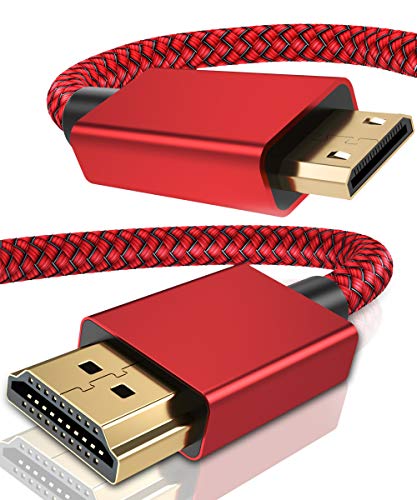
The Elebase cable emphasizes a balanced build and comprehensive 4K compatibility. It offers full-featured Mini HDMI to HDMI connectivity suitable for DSLR cameras, camcorders, graphics cards, laptops, Raspberry Pi Zero W, and pico projectors. The cable supports 4K resolutions at 60Hz, high-definition audio, Ethernet, 3D, and ARC, making it versatile for home theaters, portable presentations, or content creation workflows. A copper conductor core paired with triple-braided shielding helps ensure signal stability, particularly useful when extending the distance between source devices and displays.
Beyond raw performance, Elebase prioritizes durability and reliability in everyday use. The 6.6-foot length strikes a balance between reach and manageability for desktop setups or semi-permanent installations. This choice is suitable for users who connect multiple devices to a single display, such as a laptop linked to a monitor or a camera feeding a field monitor during shoots. The cable’s compatibility with Raspberry Pi Zero W adds to its versatility for DIY projects and small-scale media experiments.
ZeniKon 4K Mini HDMI to Mini HDMI Cable 1FT
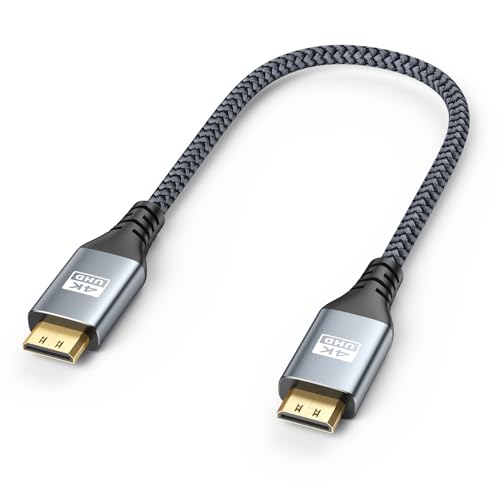
The ZeniKon option is a compact, portable solution designed for short runs between devices. The 1-foot Mini HDMI to Mini HDMI cable supports 4K at 60Hz, 2K at 120Hz, and full 1080p, with HDR and ARC for enhanced audio compatibility. It’s ideal for travelers or field technicians who need a quick, tangle-free connection between cameras, portable monitors, or Raspberry Pi Zero units and nearby displays. The product emphasizes portable design without sacrificing key features like lifelike video and reliable audio return channels. The included 24-hour online technical support helps with setup questions or compatibility checks.
Important considerations when selecting a mini HDMI cable include end compatibility (mini HDMI vs. micro HDMI), length, data rate (HDMI 2.0 vs. 2.1), and any extra features such as Ethernet, ARC, or VRR. The ZeniKon cable is especially suited for quick tests or on-the-road presentations where space is limited. For photographers or videographers traveling with compact rigs, this cable offers a lightweight, dependable link to a portable monitor or display.
Buying Guide: Key Purchase Considerations For Mini HDMI Cables
- End compatibility: Ensure your device has a mini HDMI port and that the cable supports mini HDMI to HDMI or HDMI to mini HDMI as needed. Some cables are explicitly bi-directional.
- Resolution and refresh rate: Look for 4K at 60Hz support for clear video playback and smooth motion. Some cables also support 8K or higher, but check your devices’ capabilities.
- Bandwidth and HDMI version: HDMI 2.0 cables handle 18 Gbps, while HDMI 2.1 offers higher bandwidth for advanced features. Choose according to device requirements.
- Durability: Aluminum shells and braided or nylon jackets reduce wear and strain, especially for portable setups or frequent travel.
- Length: Longer cables provide flexibility but can introduce signal loss over very long runs. Balance length with the intended setup distance.
- Additional features: Ethernet, Audio Return Channel (ARC), 3D, and color depth may benefit specific use cases like streaming, home theater, or professional video work.
- Compatibility: Verify compatibility with common devices such as Raspberry Pi Zero, cameras, camcorders, laptops, and portable monitors to ensure broad usability.
- Warranty and support: Consider brands that offer technical support and reliable warranties to help with setup or compatibility issues.
When evaluating options, consider your typical use cases: on-the-go presentations, studio setups, or portable media testing. Bi-directional cables simplify testing by letting you swap source and display roles without changing cables. For travel or field work, shorter lengths reduce clutter and improve portability, while longer cables suit home theaters or larger desks. Matching cable capabilities with your devices’ specs ensures you receive the best possible video and audio performance.