When building a PC, the right midi tower case can boost airflow, simplify cable management, and showcase your components. This guide focuses on dependable mid-tower options that balance cooling, noise, and aesthetics for American enthusiasts. Below, five standout models are evaluated for space, airflow, and build flexibility, with direct links to Amazon for quick reference.
| Product | Brand | Key Strengths |
|---|---|---|
| NZXT H5 Flow 2025 | NZXT | Strong radiator support, perforated PSU shroud, high airflow mesh |
| Dark Base 701 Midi Tower | be quiet! | Versatility, three pre-installed Silent Wings 4 fans, modular |
| be quiet! Pure Base 500 FX | be quiet! | ARGB lighting, four pre-installed PWM fans, quiet operation |
| be quiet! Silent Base 802 | be quiet! | Sound insulation, modular design, excellent IO panel |
| Thermaltake Versa H21 | Thermaltake | Tool-free installation, good ventilation, easy build |
These options were chosen for their combination of airflow, ease of assembly, and customization potential. Each entry includes a summary of notable features and how they address common PC-building needs in 2025.
NZXT H5 Flow 2025 — Compact ATX Mid-Tower Case

The NZXT H5 Flow emphasizes high airflow with an ultra-fine mesh across the top, front, and side panels. It supports up to a 360mm radiator in front and a 240mm radiator on top, enabling powerful liquid cooling for performance builds. The PSU shroud is perforated to optimize air intake from two 120mm fans (not included), and the interior design centers on clean cable management for a sleek, clutter-free build.
Dark Base 701 Midi Tower — Airflow Optimized
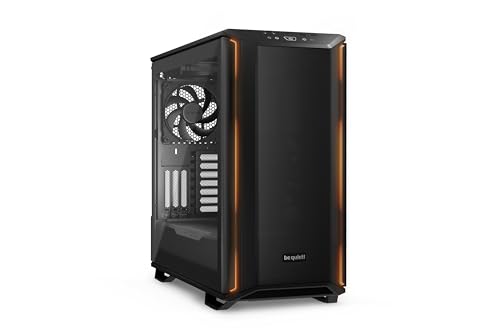
The Dark Base 701 focuses on versatility and ease of installation with a top and front bracket to facilitate radiator and fan mounting. It ships with three pre-installed Silent Wings 4 140mm PWM fans for strong airflow, while a fan controller and PWM motherboard sync option help manage noise and performance. The case supports extended configurations and tool-free adjustments for upgrades.
be quiet! Pure Base 500 FX ATX Midi Tower

This model emphasizes ARGB aesthetics combined with practical cooling: four Light Wings PWM fans deliver ample airflow, while the tempered glass window and multiple color modes offer customizable visuals. The case emphasizes a balanced approach to airflow and quiet operation, making it a versatile choice for gamers and creators who value both form and function.
be quiet! Silent Base 802 ATX Midi Tower

The Silent Base 802 provides strong sound insulation for quiet operation while offering modularity and a decoupled motherboard tray for inverted layouts. The case also includes a refined IO panel with a fan controller and USB 3.2 Gen. 2 Type C, making it suitable for builds that prioritize silent performance without sacrificing accessibility.
Thermaltake Versa H21 Midi Mesh Tower

The Versa H21 offers tool-free installation with a mesh front panel to support good airflow. It emphasizes quick heat dissipation and rapid air intake, making it a straightforward choice for budget-conscious builders who still want a capable cooling path and easy setup.
Buying Guide: Key Purchase Considerations for Midi Tower Cases
When selecting a midi tower case, consider airflow, size, and build flexibility to ensure it fits your components and cooling strategy. Key factors include:
- Airflow design: Look for mesh panels and radiator compatibility to maximize cooling potential for CPUs and GPUs.
- Motherboard size and expansion: Confirm support for ATX or larger, with additional drive bays and PCIe slots as needed.
- Ventilation and noise: Prioritize cases with decoupled layouts or sound-dampening features if quiet operation matters.
- Cooling options: Pre-installed fans, ARGB lighting, and fan controllers affect setup complexity and aesthetics.
- Cable management: A clean interior with routing grommets and a PSU shroud helps reduce clutter and improve airflow.
- Build accessibility: Tool-free designs or modular trays simplify installing components and upgrading parts.
- Front I/O and expansion: Ensure USB-C, USB-A, and audio ports meet your peripheral needs and future compatibility.
- Appearance vs. practicality: Tempered glass panels and RGB lighting add style but may require noise considerations and cleaning.
These options reflect a balance between performance features and user-friendly design, aiming to satisfy both enthusiasts and casual builders. Each model provides different strengths—from high radiator support and optimized airflow to sound containment and modular layouts—so the right choice depends on cooling goals, space constraints, and aesthetic preferences.