When you’re filming in 4K or recording continuous footage from a dash cam or drone, you need reliable microSD cards that can keep up with the data stream. This guide highlights five high-performance microSDXC cards suited for video work, camera rigs, and portable devices. Each option offers strong endurance, fast read/write speeds, and wide compatibility to help you avoid dropped frames and buffering. Compare capacity, endurance, and performance to find the best fit for your setup.
| Product | Brand | Capacity | Notable Feature |
|---|---|---|---|
| SanDisk Extreme microSDXC UHS-I | Sandisk | 128 GB | Up to 190 MB/s read with QuickFlow |
| SanDisk High Endurance 256 GB | Sandisk | 256 GB | Endurance designed for long recording |
| SanDisk Ultra microSDXC | Sandisk | 256 GB | Up to 150 MB/s read |
| Silicon Power 128 GB Micro SD | SP Silicon Power | 128 GB | U3, Full HD and 4K ready |
| PNY Pro Elite Prime 256 GB | PNY | 256 GB | Read up to 200 MB/s, Write up to 150 MB/s |
Note: All options listed here support high-quality video capture and are commonly used with cameras, drones, action cams, and mobile devices. Actual speeds vary by device and conditions.
SanDisk Extreme MicroSDXC 128GB for Video

The SanDisk 128GB Extreme microSDXC card employs UHS-I class with Read speeds up to 190 MB/s, enabling fast offloads and smooth 4K video capture. SanDisk QuickFlow Technology powers high-speed transfers and reduces wait times when moving footage from the card to a computer or reader. It is designed to deliver solid performance in cameras, action cam setups, and portable devices that support high-speed interfaces. The card is compatible with select gaming and multimedia devices, including Nintendo Switch systems, depending on the model and firmware. Pairing with the SanDisk Professional PRO-READER can unleash maximum speeds when used with compatible devices.
Key points to consider: sustained write performance for 4K/5K workloads, compatibility with devices that can reach high transfer rates, and the practical capacity in real-world usage. If you frequently offload large 4K video files or edit directly from the card, this option offers a robust balance of speed and capacity.
SanDisk 256GB High Endurance MicroSD Card

This card is built for long-duration recording in challenging environments, making it a strong fit for dash cams and home monitoring systems. Its 256 GB capacity offers ample space for extended footage, while high endurance design minimizes wear over thousands of hours of continuous recording. It supports Full HD and 4K video, though typical hours of recording vary by resolution and compression. For fleets of security cameras or backup recorders, the endurance-focused profile helps ensure reliable data capture over time.
Consider endurance over peak speed when choosing for continuous footage. While you won’t see the ultra-high burst speeds of some prosumer models, the endurance-centric design provides a practical, long-term solution for constant video capture.
SanDisk 256GB Ultra microSDXC

The SanDisk Ultra line is widely popular for everyday storage with strong read speeds up to 150 MB/s, suitable for Full HD video capture and general media storage. The 256 GB capacity provides a practical balance between file size and portability, supporting Android devices, laptops, cameras, and other microSD-enabled gear. It’s a versatile option when you want reliable performance for on-the-go video recording without the need for extreme endurance or peak transfer speeds.
When using in 4K workflows, verify device compatibility and ensure your capture settings align with the card’s sustained performance. This card is a dependable choice for hobbyists and enthusiasts who prioritize broad compatibility and solid performance.
Silicon Power 128GB Micro SD Card U3

Silicon Power’s 128 GB microSD card offers U3 performance suited for high-definition video capture, drones, and cameras. It emphasizes broad device compatibility across smartphones, tablets, action cameras, and camcorders. Note the product notes about Nintendo Switch compatibility and the need for system updates on certain devices. The card’s high-speed class supports smooth 4K and Full HD recording, making it a practical choice for multimedia creators who need a versatile storage solution across various gadgets.
In practice, verify your host device’s support for microSDXC and U3 to ensure you receive the intended performance. This card can be a solid match for creators who value a balance of speed, capacity, and cross-device compatibility.
PNY 256GB Pro Elite Prime microSDXC
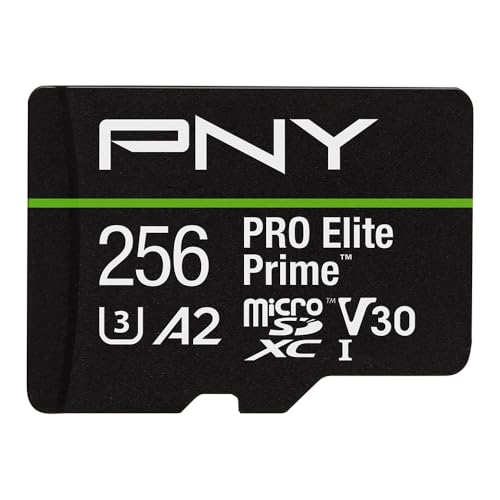
The PNY Pro Elite Prime combines high read speeds up to 200 MB/s with write speeds up to 150 MB/s, offering a robust option for 4K UHD recording and fast offloads. The A2 App Performance feature enables apps to run directly from the card, which can be advantageous for mobile or camera-integrated workflows that rely on apps for processing or monitoring. This card is designed for speed-intensive tasks, including editing on the go and rapid transfers between devices with compatible card readers.
Consider whether you need extreme transfer rates and app-on-card performance, or if standard card-based workflows suffice. For users who frequently move large video files or work with editors on shared drives, the Pro Elite Prime provides clear speed advantages.
Buying Guide: Key Purchase Considerations
Video work demands a careful balance of speed, endurance, and capacity. Here are essential factors to compare across microSD cards:
- Speed class and read/write performance: For 4K and higher bitrate footage, aim for U3 and V30 with higher sustained write speeds. A2 app performance can help when the card also hosts apps or editing previews.
- Endurance and durability: Dash cams and security cameras benefit from high endurance ratings that withstand long recording sessions and environmental conditions.
- Capacity needs: Choose capacity based on your typical recording length, bitrate, and whether you plan to edit directly from the card or offload to a computer first. Higher capacity reduces the risk of running out of space during shoots.
- Device compatibility: Verify host device compatibility and whether your reader or camera supports the card’s maximum speeds. Some devices won’t reach the full advertised speeds, depending on interfaces and firmware.
- Reliability and warranty: Reputable brands often offer warranties that protect against card failure, a crucial consideration for professional workflows.
- Use case alignment: Endurance-focused cards excel in continuous recording (dash cams, surveillance), while higher-speed consumer cards suit action cameras and on-the-go editing.
Choosing the right microSD card involves matching the card’s performance profile with your gear and workflow. For extended video capture, endurance cards reduce the risk of data loss. For high-speed editing or direct-from-card projects, faster read/write performance accelerates transfers and processing. If you often switch between devices, look for broad compatibility and reliable error correction features.